
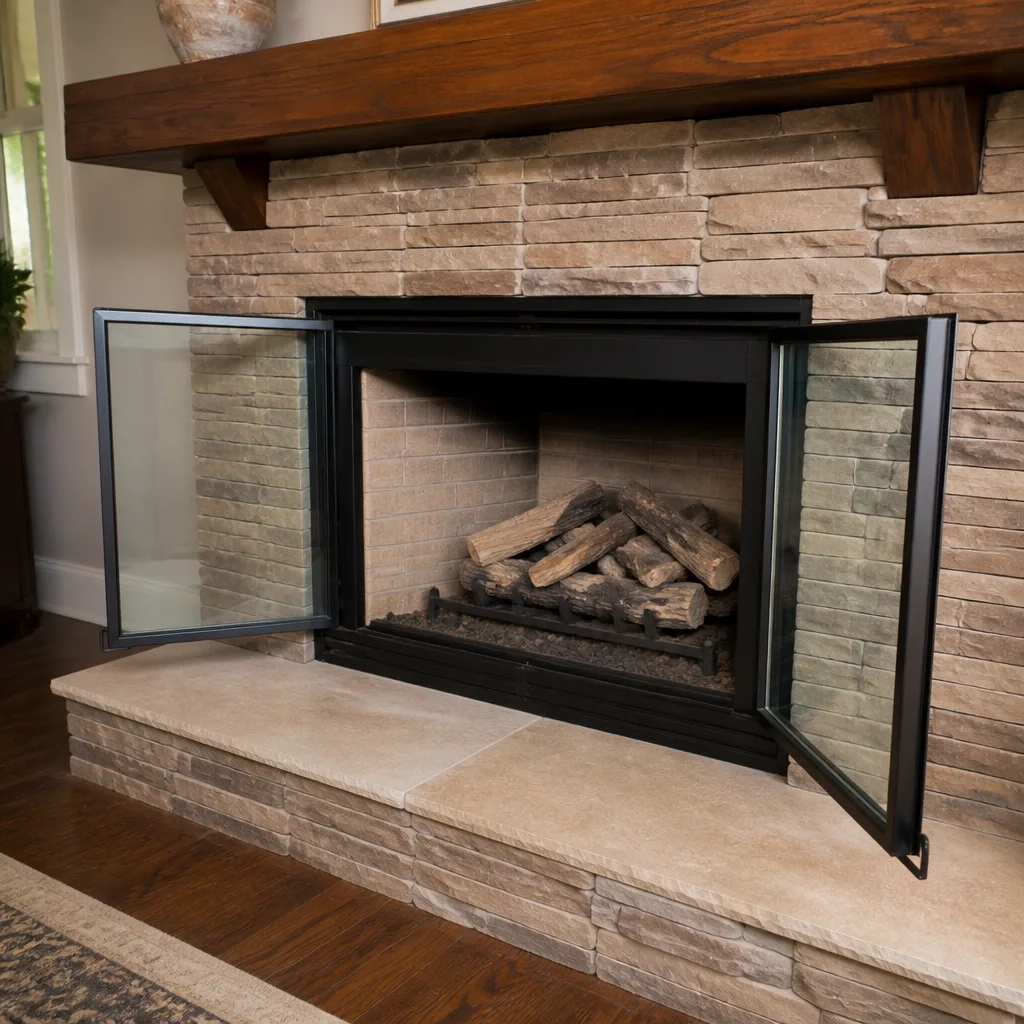
 Gas fireplace service
 Sweep & inspection
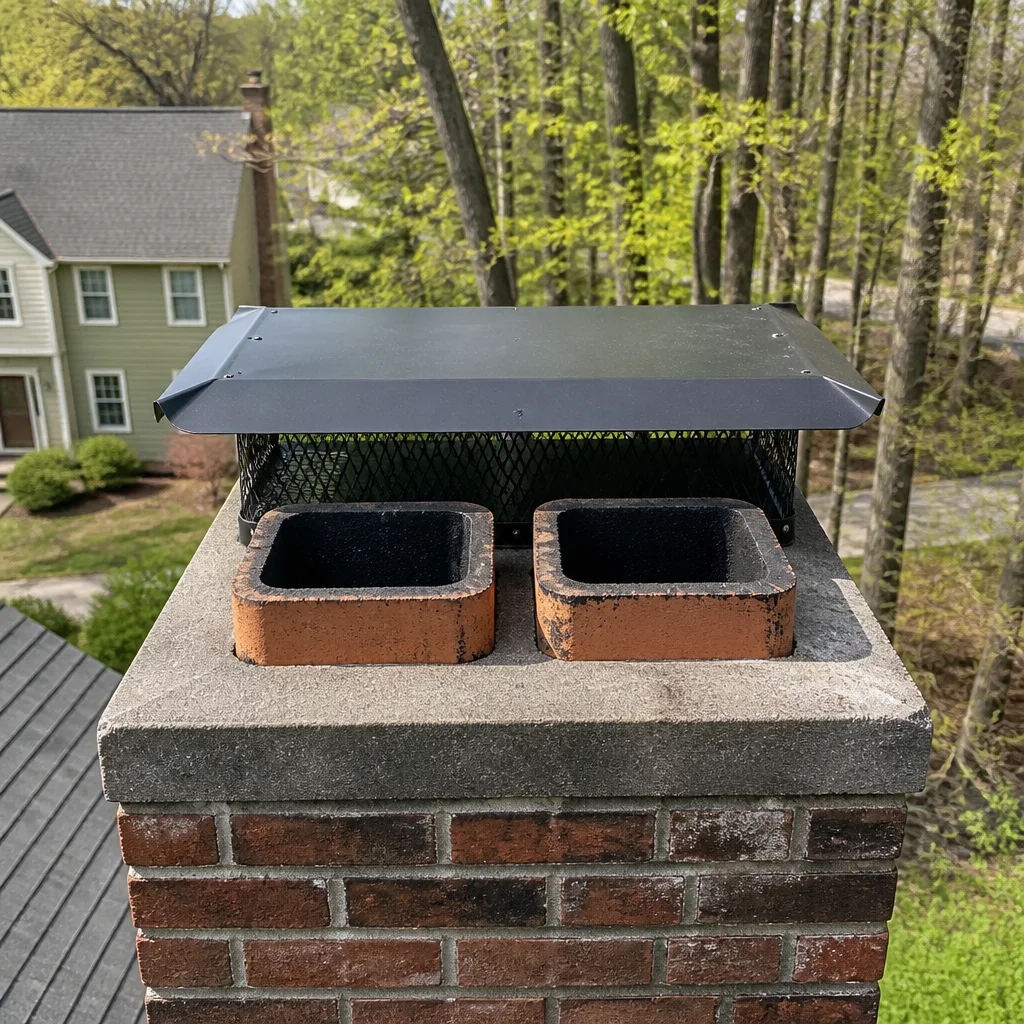
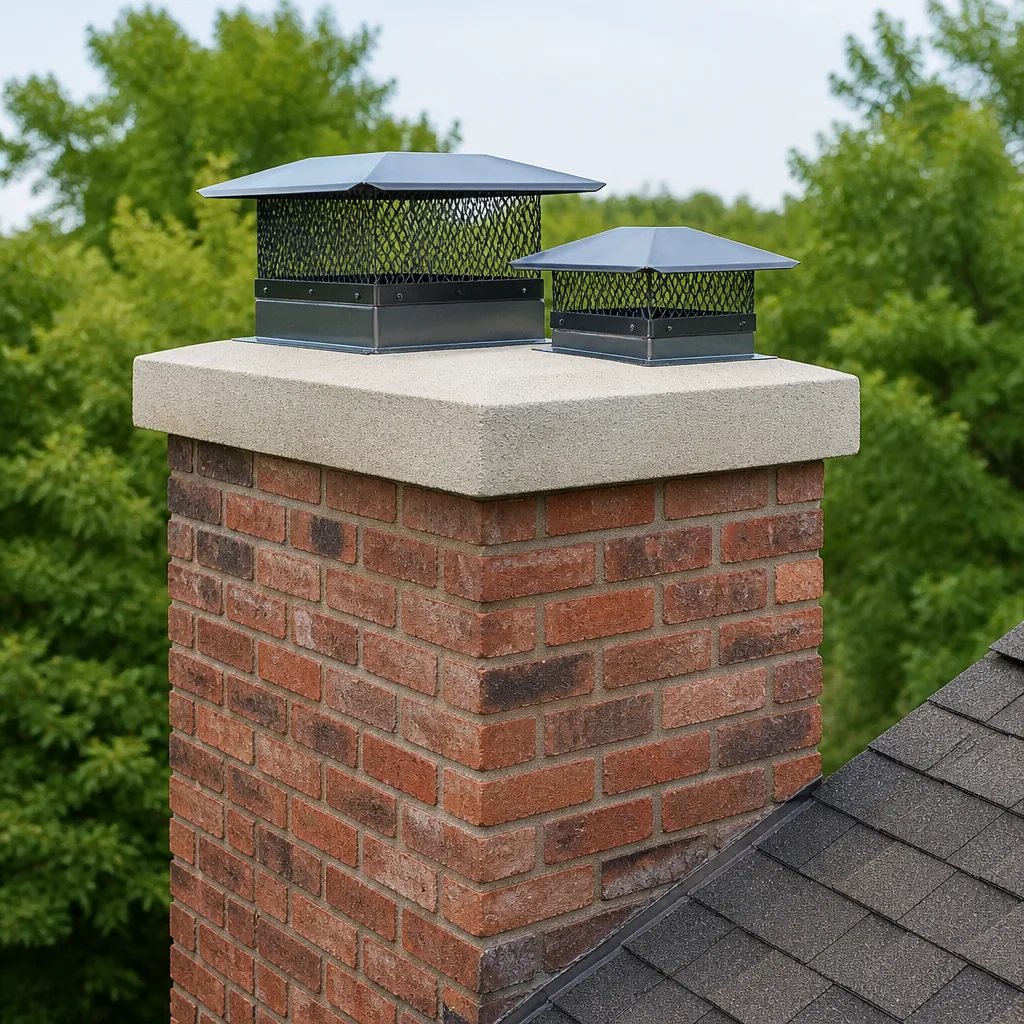 Caps & crowns
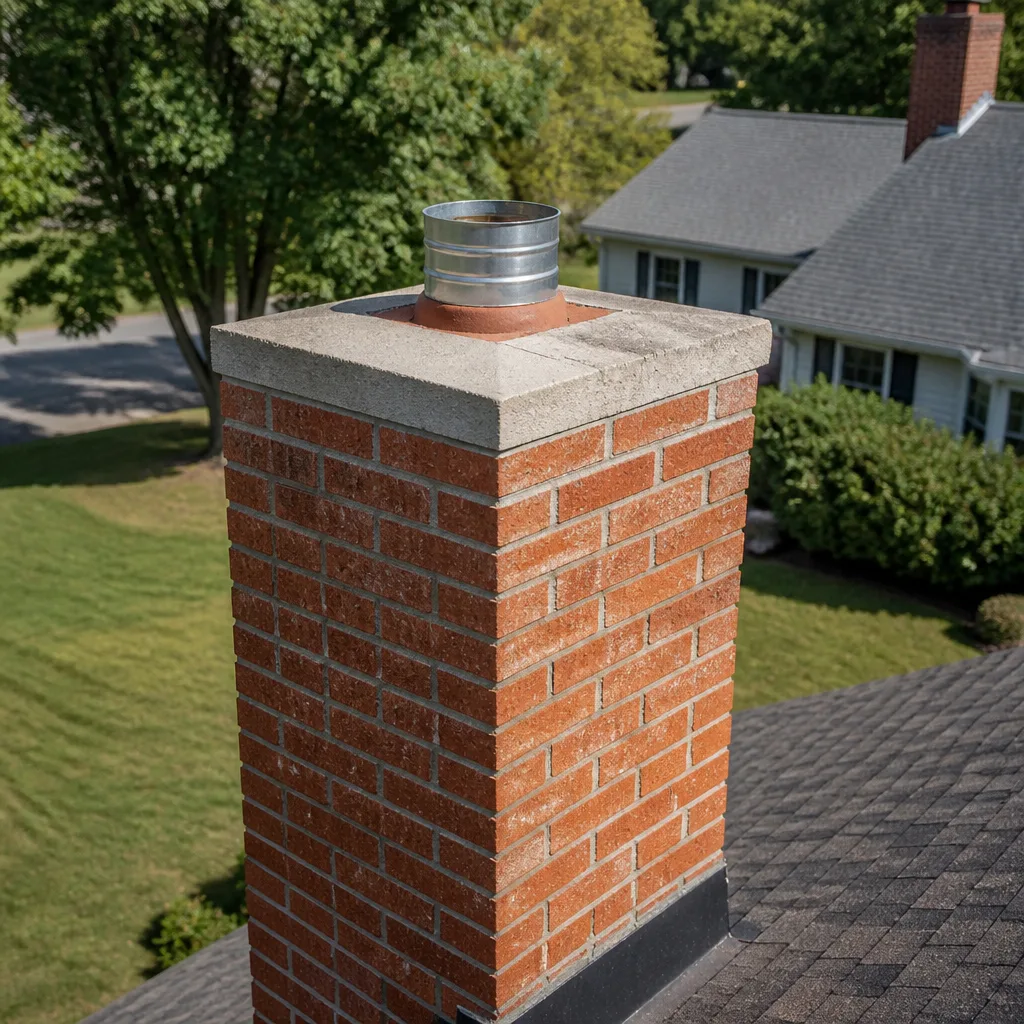 Flue relining
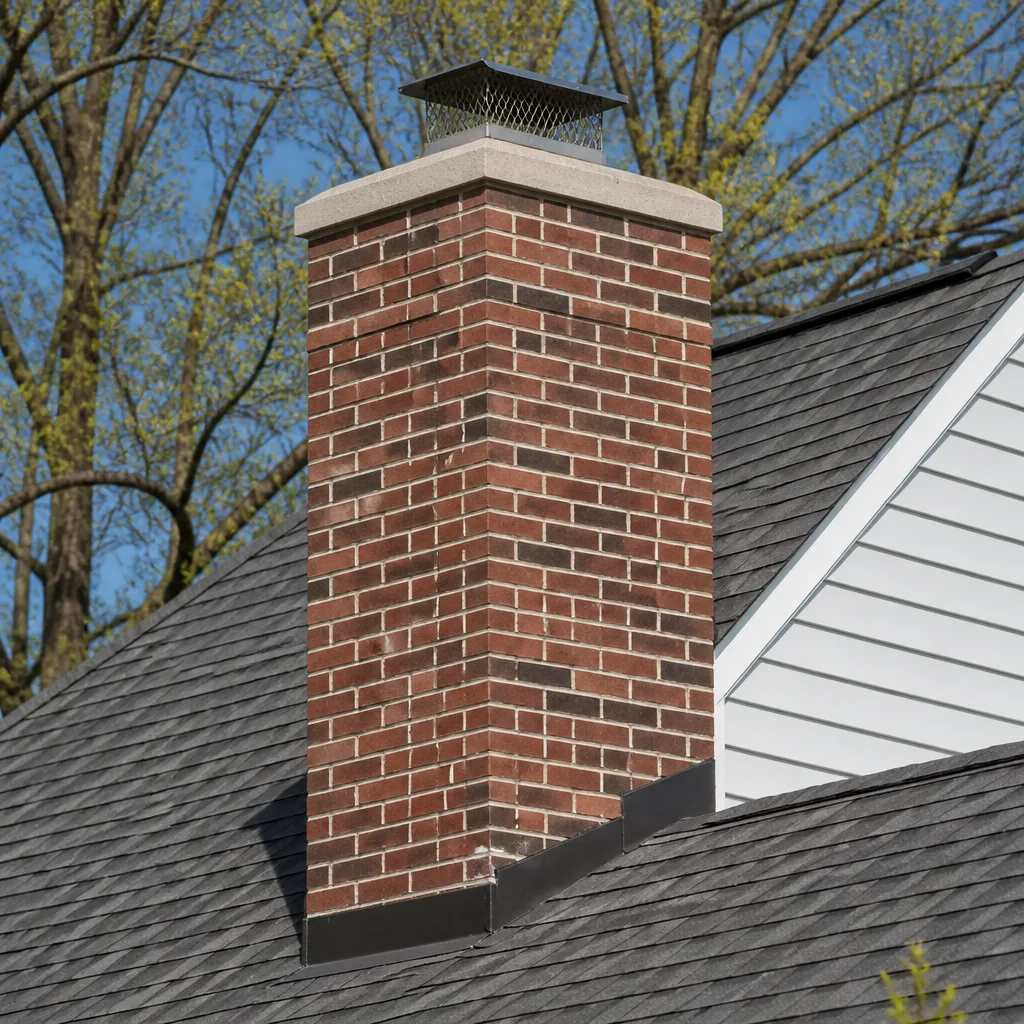 Masonry repair
Level 1 sweep and inspection to the NFPA 211 annual standard - flue, crown, cap, and flashing checked and photographed
Chimney sweep logs do not sweep chimneys. They loosen some creosote - which then falls where a brush and vacuum still have to collect it.
Why Green Lake Homeowners Choose DuraFlex Chimney Cleaning
We provide independent DuraFlex chimney cleaning in Green Lake, and the work centers on the flexible stainless liner that already runs inside your flue: assessing its joints, its insulation, its top-plate seal and the appliance connection at the bottom. What sets our DuraFlex work apart is that we evaluate the liner component by component rather than sweeping around it, because most DuraFlex problems here start at a seam or a seal, not in the middle of the run. We are an independent service provider. Chimney Sweep Green Lake is not affiliated with, authorized by, or endorsed by DuraFlex, and we don’t speak for the manufacturer. What we do is inspect, clean, repair and install these liners to the standard the flue actually requires. Call (877) 820-8284. We answer 24/7, with fast dispatch from 7am to 7pm, Sunday through Friday.
Why Trust Chimney Sweep Green Lake for Your DuraFlex Chimney Cleaning?
Our technicians have up to 9 years of experience, and that time has been spent almost entirely inside the kind of flues Green Lake is built on. A flexible stainless liner behaves differently in a 1920s brick chimney than it does in a modern prefab chase, and knowing which one you’re looking at changes how the sweep is run and what gets checked afterward.
We know DuraFlex liners on their own terms. That means reading the male/female coupler joints for separation and backed-out screws, checking whether the insulation wrap on an insulated run has compressed or torn, and looking at how the liner terminates at the crown instead of stopping the inspection at the firebox. Flexible liner is unforgiving of small mistakes. A joint that isn’t fully seated, a top plate screwed down over a cracked crown, a blanket pulled too tight around a bend – each one quietly undoes the rating the system was installed to meet.
We use quality parts that fit DuraFlex equipment and keep the listed clearances intact. Generic stainless flex of the same diameter is not a substitute for DuraFlex-specific couplers, top plates, caps and insulation wrap, and we don’t treat it as one. Everything we do is warranty-safe: we don’t modify a liner in a way that gives a manufacturer grounds to walk away from a claim, and we tell you plainly when a repair would put the rating at risk.
One company handles the whole arc, from annual inspection and creosote removal through cap replacement and relining. If the sweep turns up a cracked crown or spalled brick, that’s our work too. No second contractor, no handoff.
Styles & brands we work with
- Sweep & inspection
- Caps & crowns
- Flue relining
- Masonry repair
- Gas fireplace service
Common DuraFlex Chimney Cleaning Problems We Fix in Green Lake
Green Lake’s wet, mild maritime climate shapes these failures. Chimneys here spend most of the year cold and damp while the heating season runs long and low, so creosote stays soft and glaze-prone and moisture has months to work on metal and masonry. Here’s what we actually find in DuraFlex installations around the neighborhood.
- Coupler joint separation. The male/female seams between single-wall DuraFlex sections are the most common weak point we see. Screws back out over years of heating and cooling cycles, the joint opens slightly, and creosote and moisture migrate behind the liner. Once that happens, the mess collects where you can’t see it and the flue stops drafting the way it should.
- Insulation blanket compression or tearing. On an insulated double-wall run, the wrap around the liner is what keeps heat away from framing. It compresses at bends and tears where the liner was pulled hard during installation, and a damaged blanket quietly degrades that zero-clearance protection. You won’t notice from the hearth. A camera inspection does.
- Top-plate and cap seal failure. Where the liner terminates at the crown, the top plate and cap are the only thing standing between rain and the outside of the liner. When that seal fails, water tracks down the length of the stainless and rusts the appliance collar at the bottom. This one matters more in Green Lake than in drier markets, and the tall firs around the lake make it worse by loading the cap with needles and cones every fall.
- Corrosion pitting above the damper. The bottom 12 to 18 inches of a liner, right above the damper or insert collar, collect condensate from gas appliances and high-efficiency wood stoves. That pooling eats pinholes into the stainless over time. Pitting at the base is different from pitting mid-run, and it usually says something about the appliance, not just the liner.
- Blocked or bird-nested caps. Douglas fir needles and seed cones from the canopy over these blocks pack into cap mesh and flue tops every fall. We routinely find caps that are blocked on homes swept only a season earlier, which is why the cap gets checked on every visit and not just when the customer mentions a draft problem.
A typical job runs like this. A homeowner with a single-wall DuraFlex liner in a masonry chimney notices black streaks on the exterior brick and a creosote odor after spring rains. Inspection usually shows a separated coupler joint and a failed top-plate seal, which together let water run behind the liner and creosote collect at the seam. A qualified sweep re-seats and screws the joint, replaces the top plate and cap with DuraFlex-compatible components, and sweeps the flue before resealing. A Level 2 inspection then confirms whether the liner itself is still sound or has reached the point of replacement.
DuraFlex Parts & Our Repair-vs-Replace Approach
Any repair to a DuraFlex liner should use DuraFlex-specific components. Couplers, top plates, caps and insulation wrap are made to work together, and swapping in a generic part of the same diameter can leave a joint that doesn’t seat properly or a plate that doesn’t seal at the crown. We don’t stock OEM parts and we aren’t a DuraFlex dealer. We source quality parts that fit the system, and we’re upfront when a compatible part isn’t the right call.
The repair-or-replace decision comes down to what the camera shows and what the metal is doing. A single separated joint with sound stainless above and below is a repair. So is a torn blanket on otherwise healthy liner, or a top plate that failed before the liner did. Through-wall pitting, or multiple joints that have opened along the run, points the other way. Honest replacement with a new DuraFlex run usually costs less over five years than repeated patch work, and we’ll say so when that’s the case. Call (877) 820-8284 for a free estimate and we’ll show you the evidence before recommending anything.
Our DuraFlex Service Process – Step by Step
- 1
Diagnosis. We start with a Level 2 inspection: camera down the flue, a look at every accessible coupler joint, the insulation wrap where it’s visible, the top plate and cap from the roof, and the appliance collar at the bottom. Photo documentation comes with it so you see what we see.
- 2
Sweep and creosote removal. DuraFlex liners get swept with a brush sized to the liner, not the flue, so the stainless isn’t stressed and the joints aren’t worked loose in the process. Soft, glaze-prone creosote from a long low-burn season comes off differently than hard deposits, and the brush and technique follow the deposit.
- 3
Repair or install. Joints get re-seated and screwed. Failed top plates and caps get replaced with DuraFlex-compatible components. Where the liner is beyond repair, we install a new run sized to the appliance and the flue, with the insulation wrap done properly at the bends.
- 4
Test and document. Draft test, a second camera pass, and a check that the cap and top plate seal tight against water. You get the photo report and a clear record of what was done.
- 5
Warranty-safe handoff. We leave the system in a condition that respects the manufacturer’s terms and tell you what maintenance it needs to stay that way.
See the difference
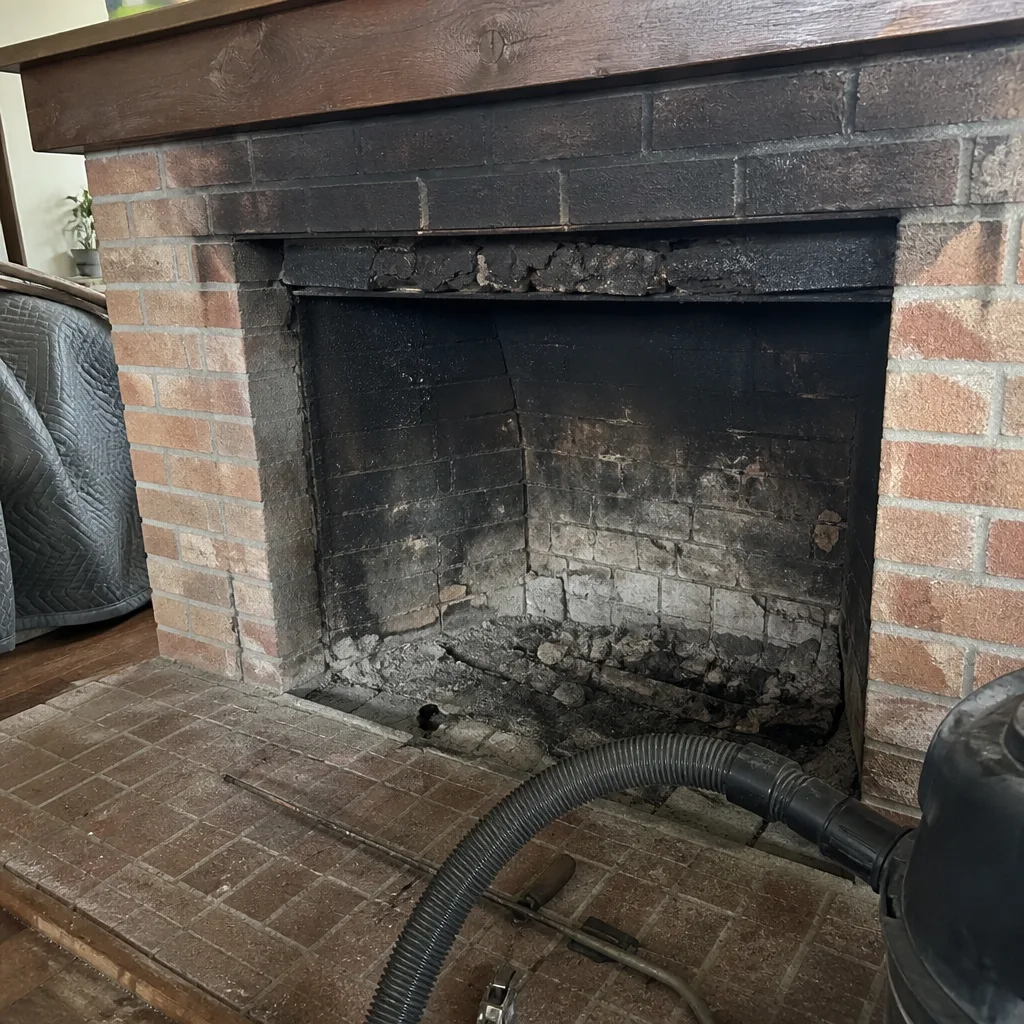 Before
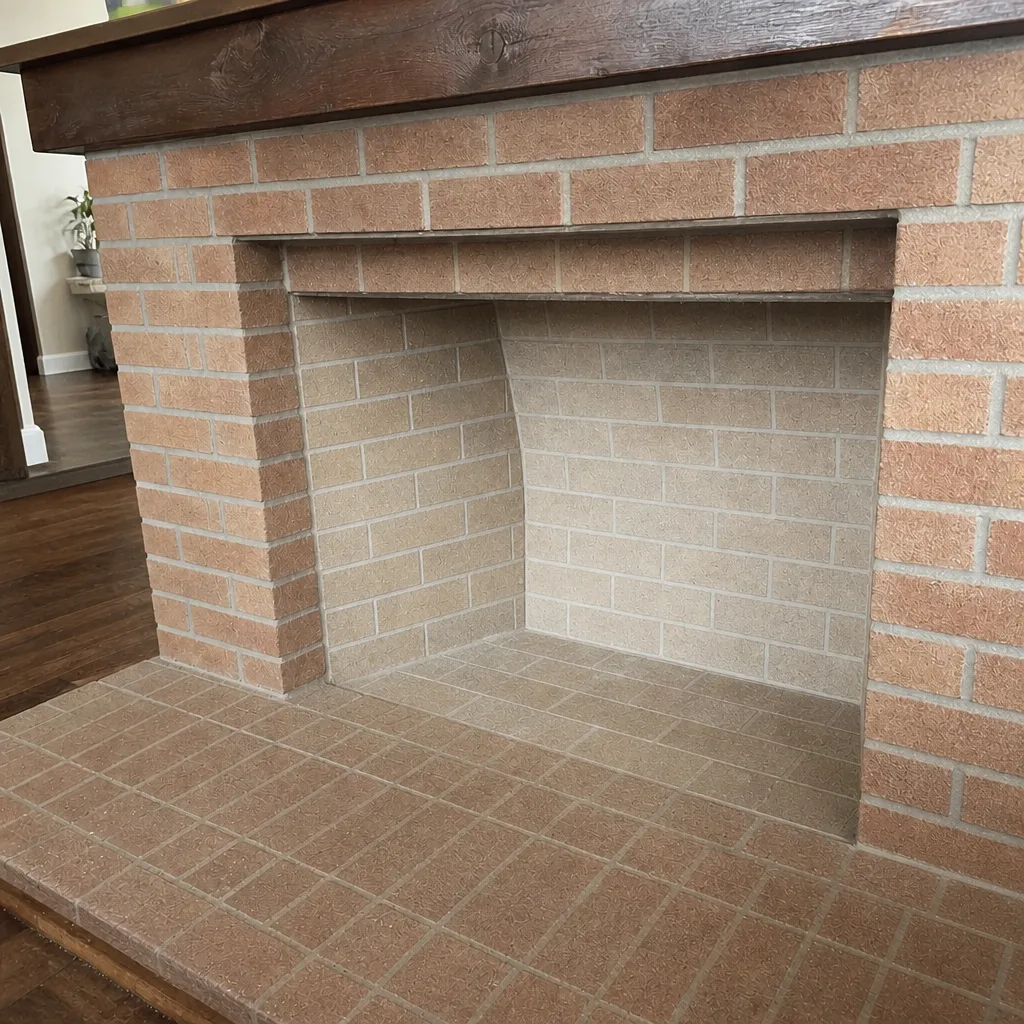 After
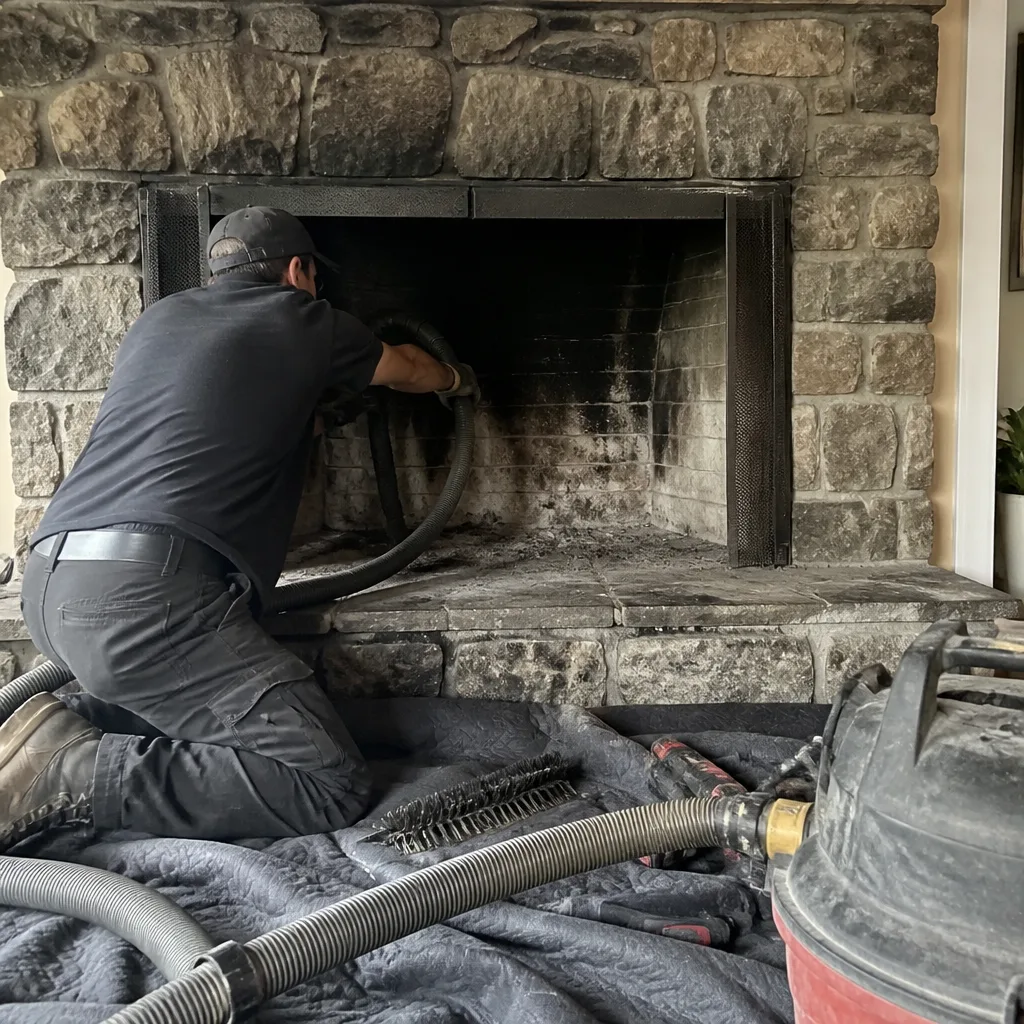 Before
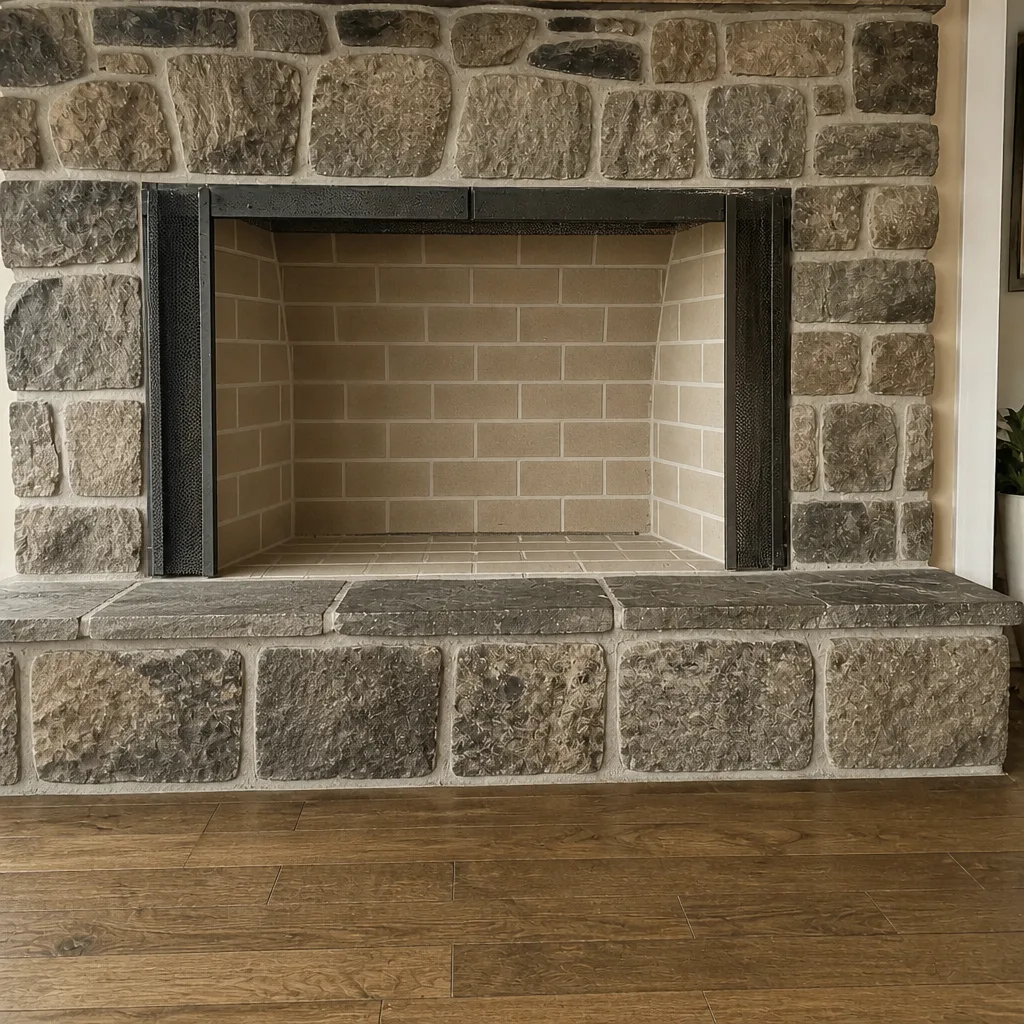 After
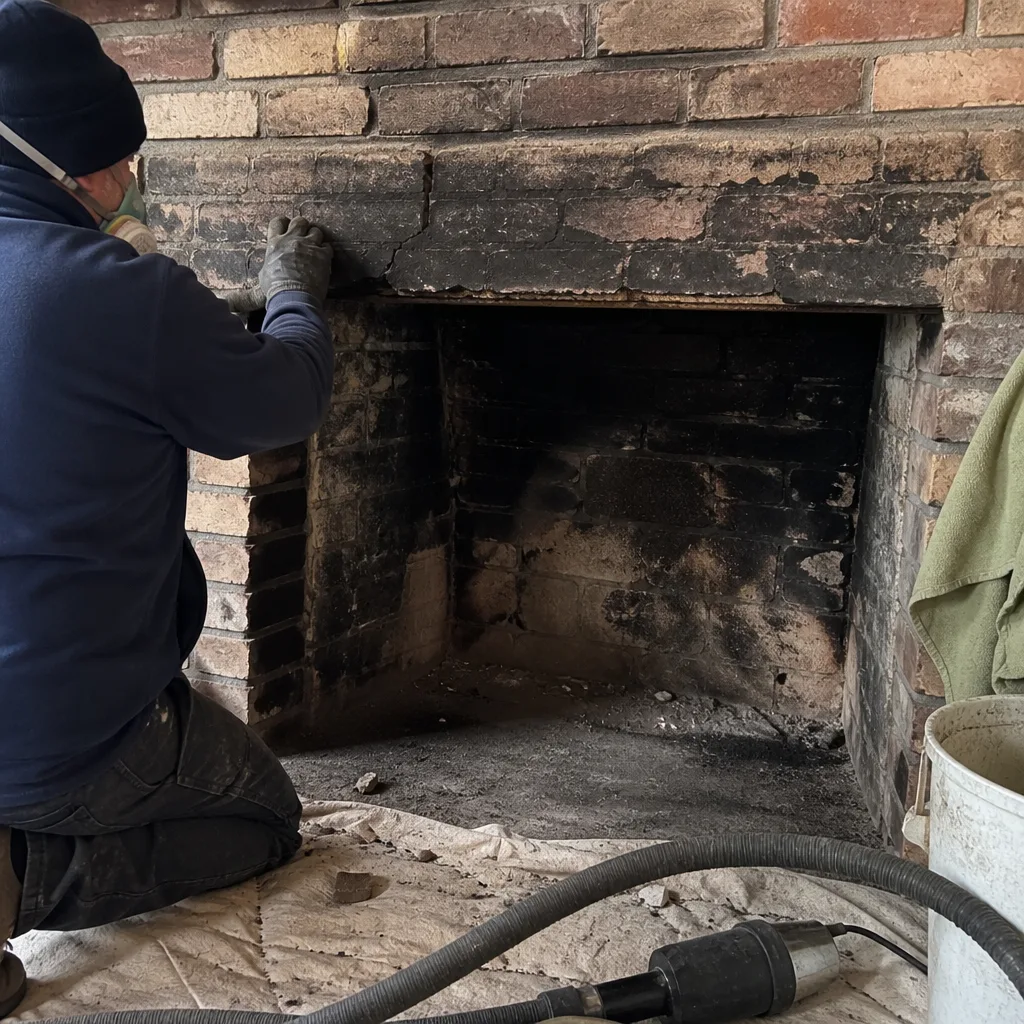 Before
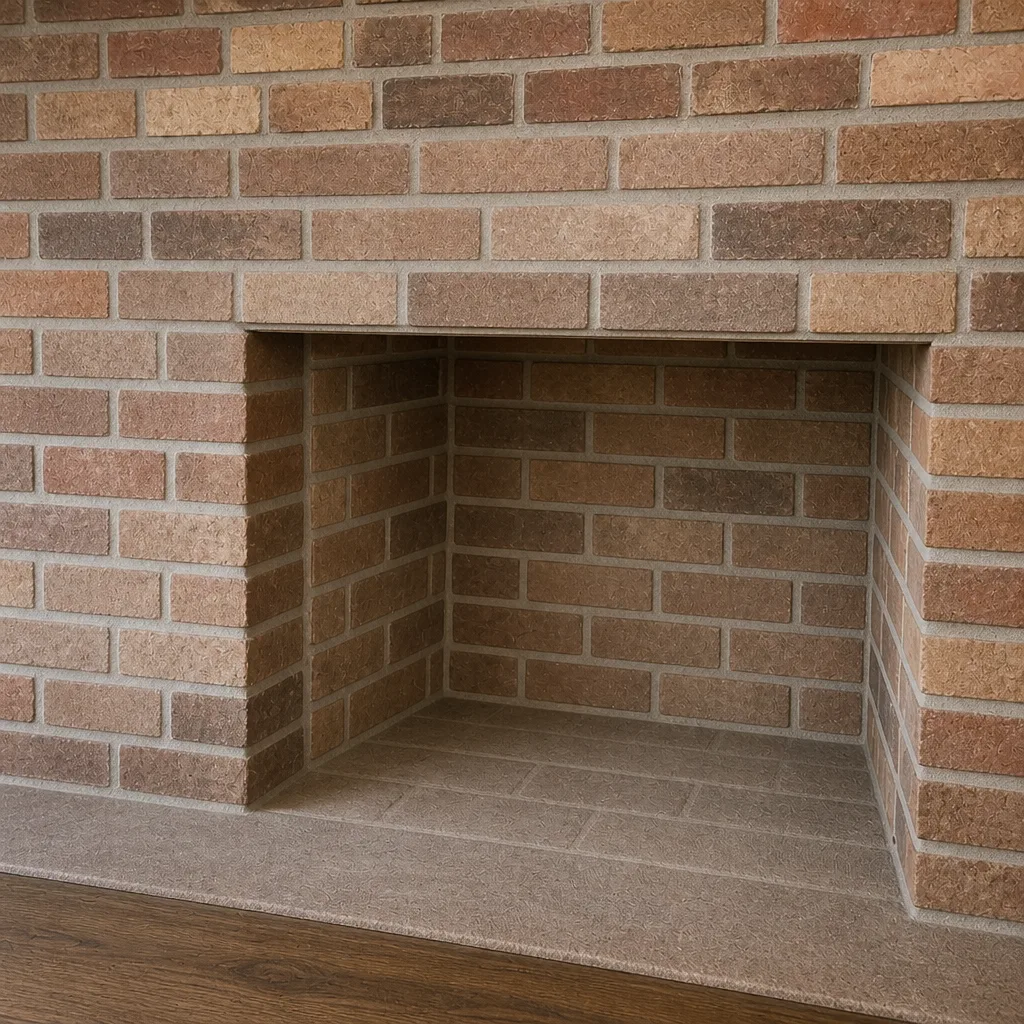 After
DuraFlex Products We Service & Install in Green Lake
The core of our DuraFlex work is the flexible stainless liner itself, and the components that make it a system: coupler joints between sections, the insulation wrap on insulated runs, top plates and caps where the liner meets the crown, and the tee and cap assemblies used on offset relines. We service and install single-wall stainless liners and double-wall insulated liners, and we handle reline kits as a complete assembly rather than piecing one together from mixed parts.
In Green Lake, most of these liners sit inside original brick chimneys on homes built between 1900 and 1930, and many were installed when a coal or wood insert was retrofitted into a hearth that never had a modern liner to begin with. That history is exactly why the inspection matters: the liner may be the newest thing in a very old flue, and it’s only as good as the masonry and crown around it.
We Also Service These Brands
DuraFlex is one part of the toolkit. We also work with HeatShield for flue resurfacing and restoration, and with Gelco on liner and component work where that’s the right fit for the flue. That breadth matters when a repair crosses brands. A HeatShield resurfacing and a DuraFlex reline are different jobs with different failure points, and having both available under one company means you aren’t referred out or sold a reline when resurfacing would do.
FAQs – DuraFlex Chimney Cleaning Service in Green Lake
Yes. A DuraFlex liner should be swept with a brush sized to the liner’s inside diameter, not the surrounding flue, and with a technique that doesn’t stress the coupler joints. An oversized brush or a rough pass can work joints loose and damage the insulation wrap on an insulated run. We size the brush to the liner every time. Call (877) 820-8284 for an exact quote – estimates are free.
You usually can’t tell from the firebox. The signs are indirect: a creosote odor that won’t clear, black streaking on exterior brick after rain, or draft problems that come and go with the weather. Confirming it takes a camera inspection that reaches the joints themselves. We include photo documentation so you see the seam for yourself. Call (877) 820-8284 to book an inspection – estimates are free.
Often, yes, if the tear is localized and the stainless underneath is sound. The blanket can be repaired or replaced in sections, and that restores the zero-clearance protection the insulated run was installed for. If the tear is extensive or the liner beneath it has pitted, replacement is the honest answer. We’ll show you which one you’re facing. Call (877) 820-8284 for an exact quote – estimates are free.
The top plate and cap seal at the crown is the most common water entry point on a DuraFlex installation. Sealant breaks down, the crown cracks underneath, or fir needles pack against the plate and hold moisture there. Once the seal fails, rain runs down the outside of the liner and rusts the appliance collar. A Level 2 inspection finds it, and replacing the top plate and cap with DuraFlex-compatible components fixes it. Call (877) 820-8284 – estimates are free.
Often it is, but it depends on the appliance and the liner. A gas insert produces condensate that pools at the bottom of the liner above the collar, and that’s where pitting starts. The liner also needs to be sized and rated for the appliance it serves. We check both before saying yes to a conversion. Call (877) 820-8284 for an exact quote – estimates are free.
Pricing is set per job by the written estimate, and the estimate is free. What drives the number is the deposit load, whether a Level 2 inspection with camera is needed, and whether the sweep turns up a joint, top-plate or cap issue that needs repair. We don’t quote blind over the phone. Call (877) 820-8284 for an exact quote – estimates are free, and we tell you plainly when work can safely wait until next season.
Book Your DuraFlex Service in Green Lake, WA
Whether you’re due for a sweep, chasing a water leak at the top plate, or weighing repair against a new liner run, we’ll inspect it, show you the evidence and give you a written estimate before any work starts. Call (877) 820-8284. We answer 24/7, with fast dispatch from 7am to 7pm, Sunday through Friday. Your chimney’s first and last call.
Written by the team at Chimney Sweep Green Lake.