
Last updated November 25, 2026
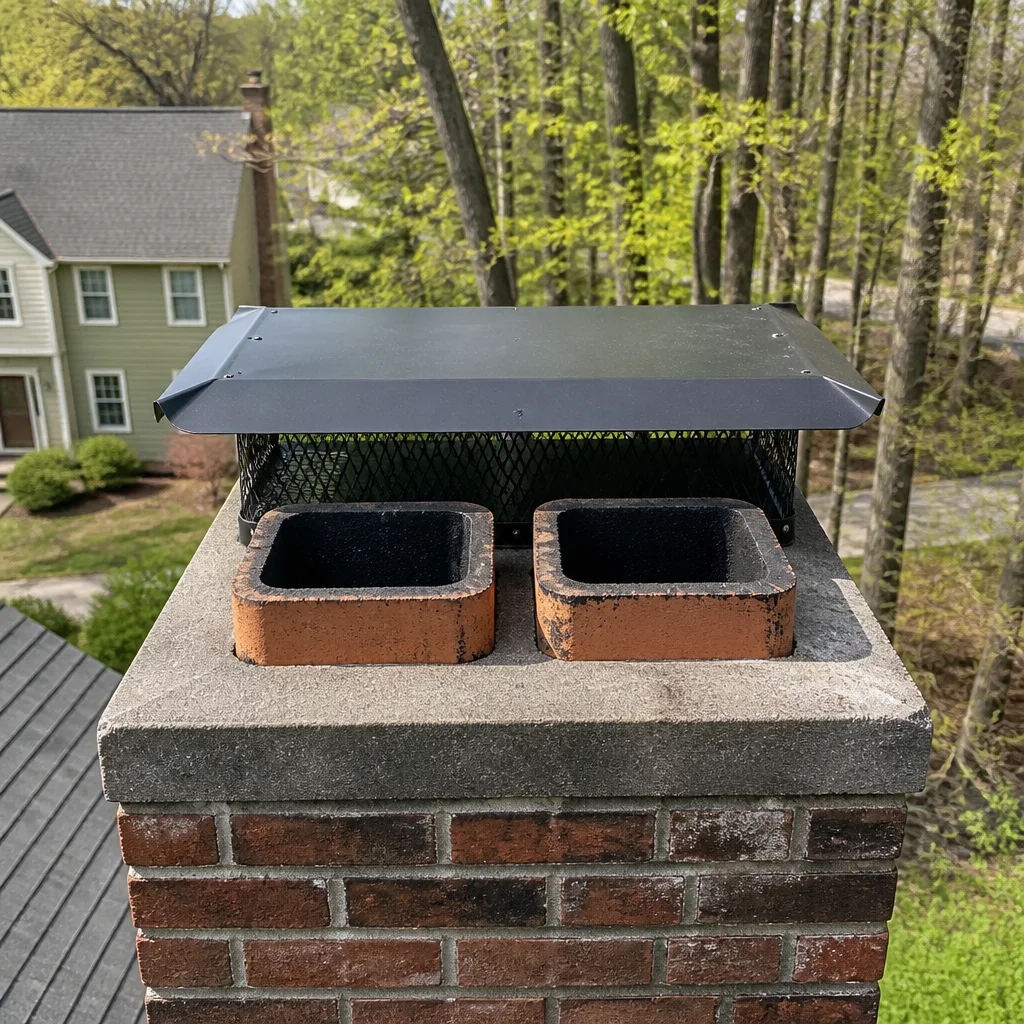 Sweep & inspection
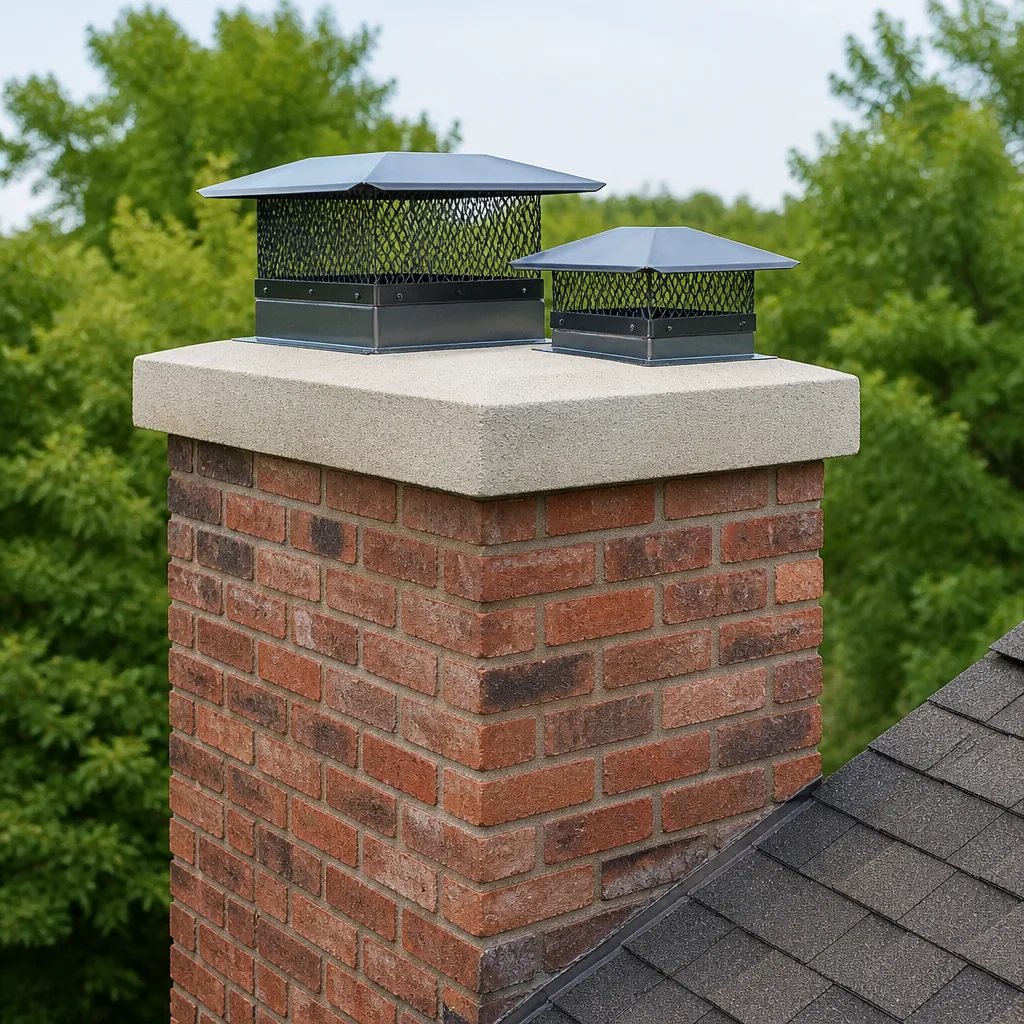 Caps & crowns
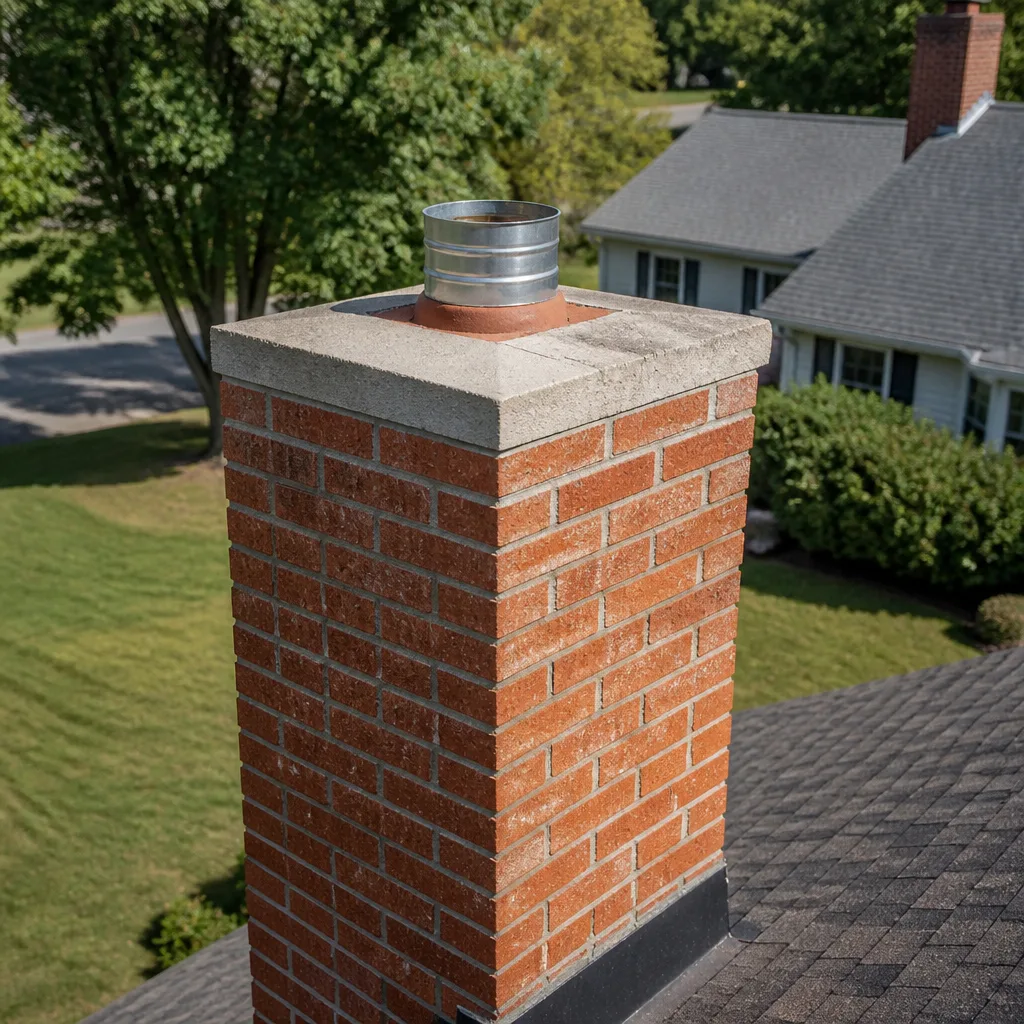 Flue relining
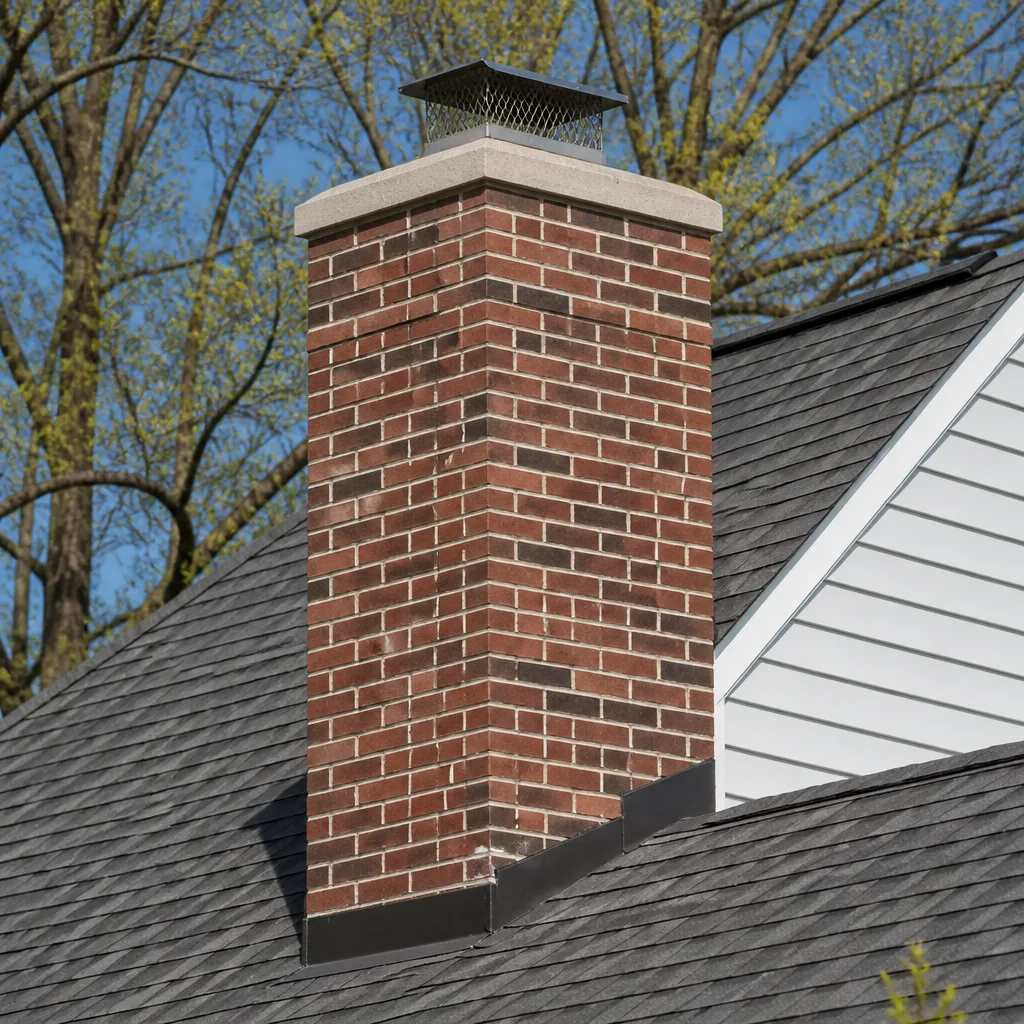 Masonry repair
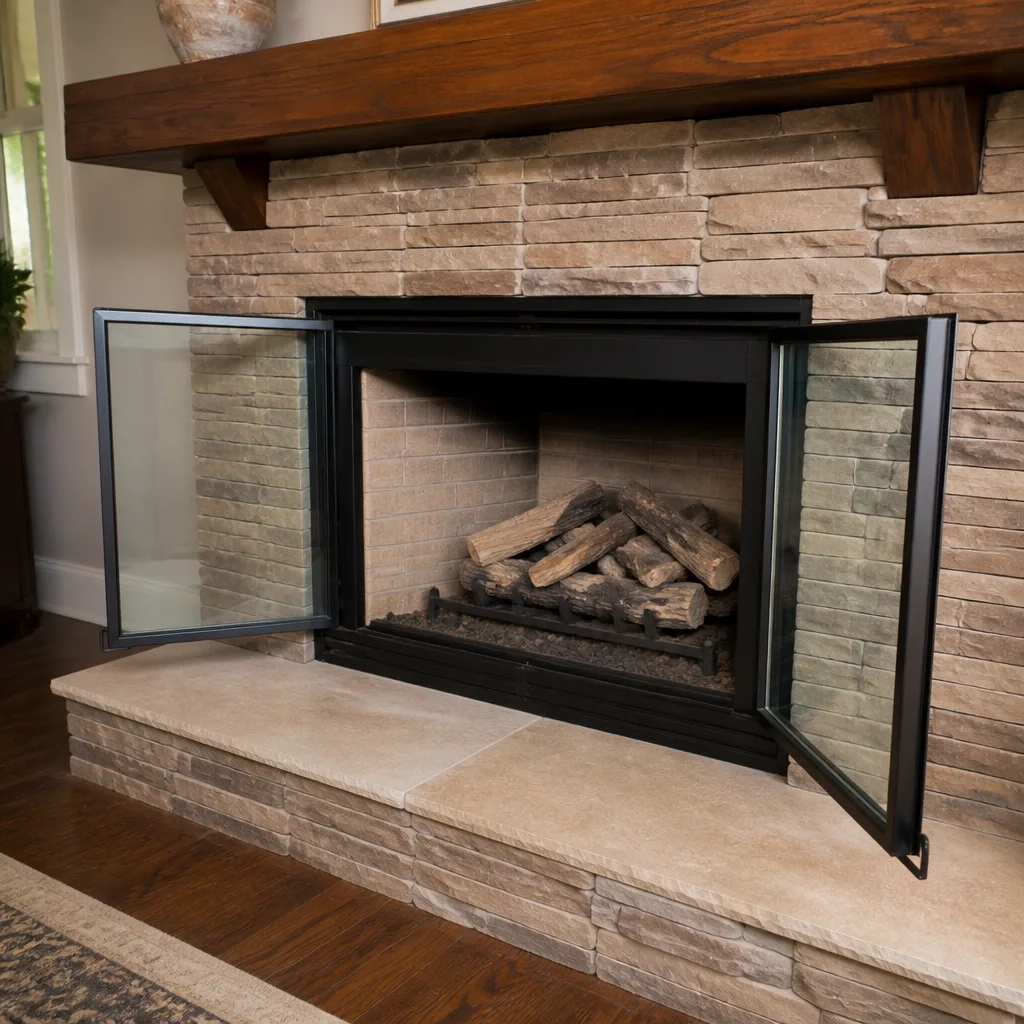 Gas fireplace service
Level 1 sweep and inspection to the NFPA 211 annual standard - flue, crown, cap, and flashing checked and photographed
Chimney sweep logs do not sweep chimneys. They loosen some creosote - which then falls where a brush and vacuum still have to collect it.
Choosing the Right Chimney Cleaning Brand: A Buyer’s Guide for Green Lake
Most homeowners assume every chimney contractor uses professional-grade materials. That assumption is often wrong, and the gap shows up in the finished job. A sweep pulling brushes from a hardware store shelf and one sourcing from a professional trade supplier are working with tools that differ in wire gauge, rod flexibility, and how much of the flue they actually reach. The same holds for creosote treatments, flue liners, and the caps that sit on top of a Green Lake roof through every winter. This guide is about the materials behind the work. We’ll cover what separates consumer-grade from trade-grade products, which systems suit which repairs, and how to ask a contractor about their supply chain without it feeling like an interrogation.
Quick Answer
The right chimney cleaning “brand” is really the brand of materials and systems used inside your flue. Ask a contractor which brushes, chemical treatments, liner and cap materials they use and why. A confident specialist names specific professional-trade products – DuraFlex liners, HeatShield resurfacing, Olympia Chimney components – and explains what each is for. Vague answers about “quality products” usually mean big-box sourcing.
Styles & brands we work with
- Sweep & inspection
- Caps & crowns
- Flue relining
- Masonry repair
- Gas fireplace service
Table of Contents
- Why Professional-Grade Materials Matter
- Brushes: Wire Gauge, Rod Flexibility, and Flue Coverage
- Chemical Creosote Treatments: Formulations and What to Ask
- Liner Repair Materials: HeatShield, Fireguard, and Stainless Systems
- Cap and Crown Materials: What Weather Resistance Really Means
- How to Ask a Contractor About Their Supply Chain
- Questions Worth Asking Before You Book
- What Green Lake Conditions Demand From Materials
Why Professional-Grade Materials Matter
A chimney sweep’s tools do two things: they remove what’s built up, and they avoid damaging what’s underneath. Consumer-grade products are built to a price for occasional homeowner use. Professional-trade products are built for daily professional use on surfaces that can’t be nicked, gouged, or left coated. That difference is real, and it changes the outcome of a job.
Consider what goes on inside a flue during a sweep. A brush that’s too stiff or wired wrong can chip clay tile. A chemical treatment applied at the wrong strength can attack mortar joints. A liner patched with a material not rated for the temperature of a wood fire can fail within a season. None of that is visible from the living room. It only shows up the next time the chimney is inspected, or worse, the next time there’s a fire.
The brand of materials a contractor uses is a proxy for something you can’t see. It tells you how they were trained, what standards they hold themselves to, and whether they intend to be around to stand behind their work. In our experience serving homes throughout Green Lake, the contractors whose work holds up are the ones who can name every product they use and explain why they chose it.
What “professional-trade” actually means
- Sold through trade suppliers, not retail shelves – which usually means the contractor has an account and a relationship with that supplier.
- Manufactured to standards set for professional installation, with documentation and application guidance the contractor is expected to follow.
- Covered by manufacturer warranties that only hold when installed by a trained applicator – a strong signal the contractor was vetted.
- Designed for specific applications: a flue liner material, a crown sealant, a chemical treatment each has a defined use case, not a general “works everywhere” claim.
A contractor sourcing from a big-box retailer isn’t necessarily cutting corners on purpose. Often they just don’t know the trade-grade alternatives exist, or they don’t have access to them. That’s a training and supply problem, and it shows up in your chimney.
Brushes: Wire Gauge, Rod Flexibility, and Flue Coverage
The brush is the simplest tool in chimney work and the one most often skimped on. Three things separate a professional brush from a consumer one: wire gauge, rod flexibility, and how much of the flue cross-section it actually contacts.
Wire gauge is the thickness of the individual bristles. Too thin and the brush folds over on tough creosote without removing it. Too thick and it can scuff or crack clay tile liner, which is common in older Green Lake homes. Professional brushes use a gauge matched to the flue material and the severity of the buildup. A contractor should be able to tell you which gauge they’d use on your chimney and why.
Rod flexibility is next. The rods that push the brush up the flue come in different stiffnesses. A flue with an offset or a slight bend needs a more flexible rod to follow the channel; a straight flue can handle a stiffer spine. The wrong rod either wallows in the flue without reaching the top or stresses the liner at every bend. Professional rods are matched to the flue geometry.
Coverage is where the quality shows most. A brush sized one step too small will clean a path up the middle of the flue and leave creosote glazed along the walls. It looks clean from the bottom and isn’t. A properly sized brush fits the flue with enough contact to scrape all sides. That’s a matter of correct measurement, not force.
What to ask about brushes
- Which brush material do you use on my flue type – polypropylene, wire, or a hybrid?
- What wire gauge do you use for a clay-tile liner, and do you adjust it if the flue is glazed?
- How do you measure the flue to size the brush, and do you check the top as well as the bottom?
- Do you carry rods that can follow an offset, or do you use one stiffness for every chimney?
None of these are trick questions. A contractor who works with trade suppliers will answer them without hesitation. One who doesn’t may not know the vocabulary.
Chemical Creosote Treatments: Formulations and What to Ask
Creosote comes in three forms: sooty and easy to brush, flaky and crusty, and glazed and hard. The glazed form is where brush alone fails and chemistry enters the picture. Chemical treatments work by softening glazed creosote so a brush can remove it, or by converting it to a compound that can be swept on a later visit.
The formulations differ more than most homeowners realize. Some are powders mixed with water, some are sprays, some are liquids applied to the firebox before a burn. Each has a specific use, a specific dwell time, and specific limitations. A treatment that works well on light flaking creosote may be useless on heavy glaze. A treatment that’s safe on a stainless liner may not be safe on clay tile if it’s misapplied. The contractor needs to know which product to use, at what strength, and against which stage of creosote.
What should you ask?
- What brand of chemical treatment do you use, and why that one over the alternatives?
- What stage of creosote is it designed for, and what happens if my flue has a different stage?
- Are there any materials in my flue – liner, mortar, damper – that the treatment could harm?
- How long between application and the follow-up sweep, and what should I do in that window to make it work?
Professional-trade chemical products come with manufacturer documentation that the contractor is supposed to follow. If they can’t tell you the product name or the manufacturer, that’s the answer you needed.
Liner Repair Materials: HeatShield, Fireguard, and Stainless Systems
When a flue has deteriorated, there are three broad repair paths: resurfacing the existing liner, casting a new lining in place, or installing a stainless steel system. Each has a correct application, and choosing the wrong one for a Green Lake home – with our seasonally heavy rain and cold winters – can mean a repair that fails before its time.
Resurfacing uses a cement-like material applied to the interior of the existing flue. HeatShield is one of the systems used in this application. It’s a specialist system designed to address deterioration inside the flue without pulling the original liner out. It’s appropriate when the original clay liner is cracked or spalled but the structure around it is sound. It’s not appropriate for a flue with a partial collapse or a chimney with structural movement; the symptom would come back. That distinction matters, and it’s the kind of nuance a contractor who’s been trained on the product can explain.
Cast-in-place lining is a heavier repair for flues where the original lining has failed extensively. It rebuilds the flue from the inside out. Stainless systems – we work with DuraFlex components and Olympia Chimney products – are a different approach: a new stainless flue is inserted inside the old one, creating a fresh channel for the smoke to travel. Stainless is often the right answer for a flue that’s lost its lining entirely or for an appliance change where the existing flue’s size no longer suits.
Which liner repair suits which problem
- Cracked clay tile, structurally sound flue: HeatShield resurfacing is a fit. Less invasive, less costly than a full reline.
- Spalled tile, sound chimney: Often the same. The contractor should confirm with a camera inspection before recommending.
- Substantial loss of lining or a flue too small for the appliance: Stainless reline is typically the right answer.
- Major structural deterioration: Needs inspection, possibly a chimney rebuild, not a liner repair alone.
One word of caution: any of these repairs involves inserting a tool or a material into a live flue, and installer error can leave a hazard in place. This is not DIY territory. The material lines we work with are professional-trade products with manufacturer application instructions for a reason – the training and the care don’t come in the box. If your chimney needs a repair beyond cleaning, a trained professional should be doing the work, and the installation should be documented. Our Chimney Sweep Green Lake team handles the full range from inspection to reline.
Cap and Crown Materials: What Weather Resistance Really Means
The cap and the crown are the chimney’s first defense against rain, snow, and animals. They’re also where materials vary the most, and where the cost of a cheap choice is measured in years off the top of your chimney’s life.
The cap sits over the flue opening. It keeps water and critters out and sparks in. Stainless caps last longer than galvanized. The mesh size matters for the animals common in the Green Lake area, and the frame material and soldering matter over time. A cap installed with the wrong mesh or from a galvanized frame will corrode or be chewed through faster than it should. A professional-trade cap is built to spec, not to a hardware store price point.
The crown is the concrete surface at the top of the masonry, sloping away from the flue. The crown’s job is to shed water away from the chimney before it can soak in and freeze. A crown built with the wrong mix, no slope, or an unsealed joint will crack within a couple of winters. Once it cracks, water gets into the masonry, and repairs downstream get expensive. Professional crown repair uses a formulation designed for the freeze-thaw cycle, applied with the correct slope and sealed joints.
What should a contractor be able to tell you?
- The brand and material of the cap they install, and how it holds up to Green Lake’s weather.
- The formulation used for crown repair, and whether it can be applied over the existing crown or requires a rebuild.
- How they slope the new crown and how they seal the joint at the flue.
- How long they expect the cap and crown to last before needing attention, in language you can understand.
Our chimney cap & crown service is where this comes up most often. If a contractor can’t describe why one crown formulation could outlast another by years, they’re not sourcing from the professional trade.
How to Ask a Contractor About Their Supply Chain
This is the question most homeowners avoid because it feels confrontational. It doesn’t have to be. You’re not auditing the contractor – you’re asking them to demonstrate expertise. The right framing is genuine curiosity: “What do you use and why?” Here’s how to make that conversation work.
Frame it around the work, not the contractor
Phrasing like “I’m trying to understand what’s going into my chimney” is easier to ask and easier to answer than “Where do you buy your materials?” Both put the same question on the table, but the first gives the contractor a chance to show expertise instead of defend their sourcing.
Ask about the specific product, not the category
“What creosote treatment do you use?” will get you a general answer. “Which product do you use on glazed creosote, and what’s the manufacturer?” will get you a real one. Contractors who work from a professional roster will name their products without hesitation – it’s part of how they think about their work.
What a confident answer sounds like
- A product name, a manufacturer, and a reason: “We use HeatShield for this because the flue is sound but the tiles are cracked.”
- A specific application: “We use this formulation for this stage of creosote, and here’s what we’d use if it were heavier.”
- An honest limit: “That’s not a repair we do without an inspection first; here’s what we’d check.”
- Recognition of alternatives: “DuraFlex is what we’d use for your reline because of the flue size; the trade has other options and this one fits better.”
What a weak answer sounds like
- “We use professional-grade materials” without naming them.
- “We use whatever the job requires” without explaining the choice.
- “We can get whatever brand you prefer” without a recommendation.
- Changing the subject to pricing.
None of this is a guarantee. But a contractor who can hold a real conversation about materials is one who has been trained on them, and training is what stands behind the work.
Questions Worth Asking Before You Book
Beyond the material conversation, here’s a shortlist of questions that distinguish a full-scope chimney specialist from a sweep who does one thing. Work through them before you book, and you’ll know how much of your job they can actually handle.
- What’s included in the inspection? A camera inspection is the minimum. If the contractor can show you what’s inside the flue and let you see the photos, you can evaluate what they recommend.
- What brands of liner and resurfacing materials do you use? A named roster is a signal. Vague “we use the good stuff” is not.
- If the flue needs a repair, do you do it yourself or refer it out? A referral is fine if the specialist they refer to is genuinely specialized, but it breaks the single-accountability model. Our chimney sweep service is part of a full-scope offering, so the same company that inspected the flue does the repair.
- What experience do your technicians have? Our technicians have up to 9 years of experience. Ask any contractor the same question.
- What’s the spec on the cap and crown you’d install? If your chimney needs weatherproofing, the materials matter.
- How will you tell me what my chimney needs, and how will I verify it? A camera inspection and photo report lets you see what the contractor sees. Any recommendation without that is a guess.
The theme running through all of them is the same: you want a contractor whose expertise covers the whole chimney, from cleaning to repair, and whose material choices reflect that breadth.
What Green Lake Conditions Demand From Materials
Green Lake’s weather is not gentle on a chimney. We get a long wet season and cold winters with real freeze-thaw cycles. Water that gets into masonry and then freezes will fracture tile, spall mortar, and crack a crown faster here than in a drier climate. That makes the cap and crown materials the single biggest weatherproofing decision a Green Lake homeowner makes, and it makes professional-grade formulations more valuable, not less.
The same is true of liner repairs. A flue that’s been compromised by water intrusion over a couple of winters may need resurfacing or relining sooner than a similar flue in a milder climate. The chosen material needs to be rated for the temperature of a wood fire and for the moisture cycling this area produces. HeatShield and the professional stainless systems we work with are designed for that combination, when matched correctly by the installer.
Green Lake homes also tend to have older chimneys with clay tile liners that have been through many winters. A crack that looks minor in summer becomes a real issue in the first cold snap. That’s why we recommend a camera inspection before any repair plan, and why we show the homeowner the photos. It’s also why we don’t push a reline when a resurfacing will do – the right material for the actual condition is what respects a homeowner’s budget and the chimney’s life.
We’re a local specialist, and our neighbors in Green Lake benefit from a team that knows the climate, the housing stock, and the professional materials that work in both. We bring our full-scope approach to every job in the neighborhood, from a routine annual sweep to a full flue restoration.
Common Mistakes to Avoid
- Treating all sweeps as interchangeable. The tools and materials differ more than the price difference suggests. The cheapest sweep is often one who doesn’t carry the professional brushes or treatments your chimney needs. Ask about the materials before you book.
- Accepting “we use quality products” as an answer. A contractor who works with trade suppliers can name their products. If they can’t, they’re sourcing from a big-box retailer, and the materials will reflect that over the life of the job.
- Approving a liner repair without seeing the flue. A camera inspection with photos you can review is the baseline. A verbal recommendation about a hidden flue is a guess, whether it’s a resurface or a reline.
- Skipping the crown because the sweep “will handle it.” A crown repair is a specific job with a specific material spec. If the contractor doesn’t install crowns as a standard service line, the work may not be done right.
- Buying a cap based on price alone. Cheap caps in Green Lake weather fail faster than the money they saved. The materials (stainless vs. galvanized, correct mesh) and the installation detail are what determine how long it lasts.
- Assuming a repair eliminates the need for inspection. A repaired flue still needs its annual inspection, especially after a heavy burn season or a wet winter. The repair restores the flue; the inspection verifies it’s still doing its job.
- Booking a sweep who won’t do the repair. If your chimney needs structural work, you want a specialist who handles both. Coordinating two contractors for one job is a headache you don’t need, and it can lead to finger-pointing if something goes wrong.
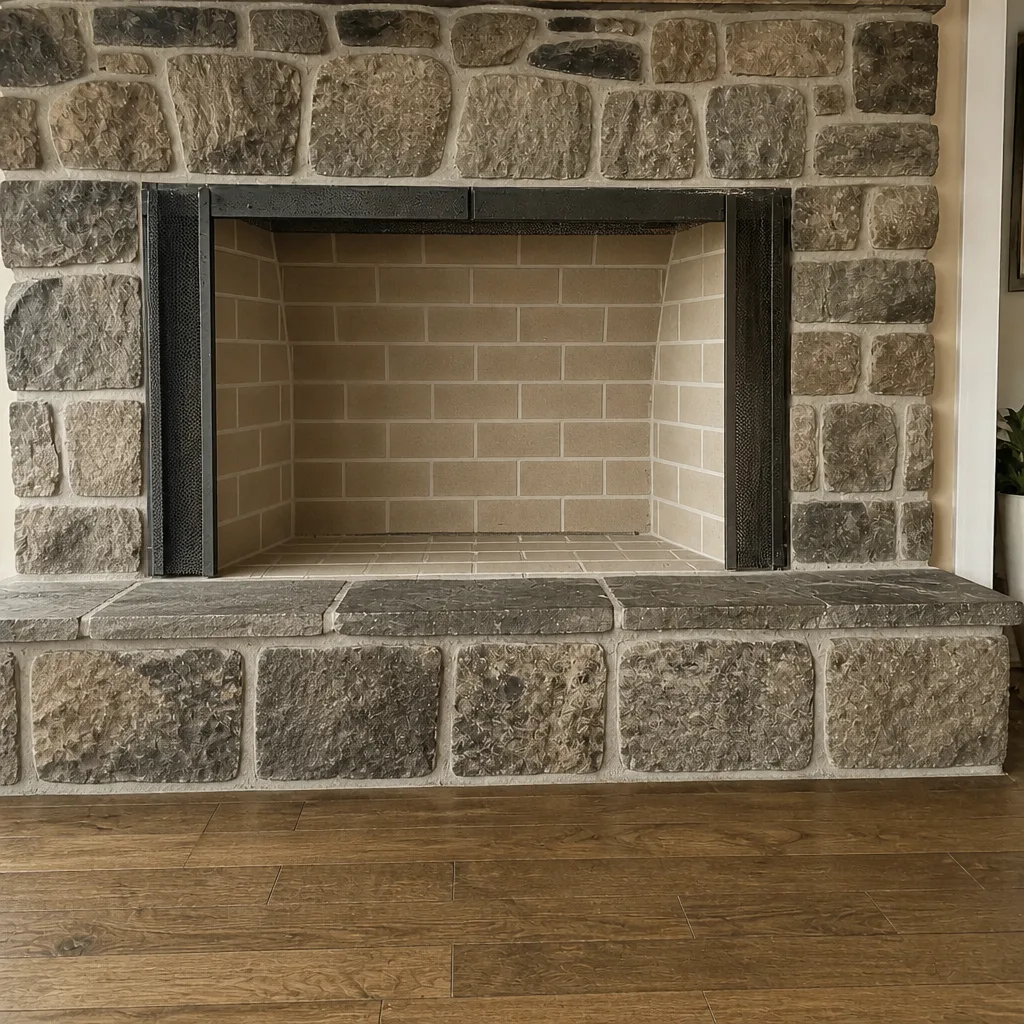
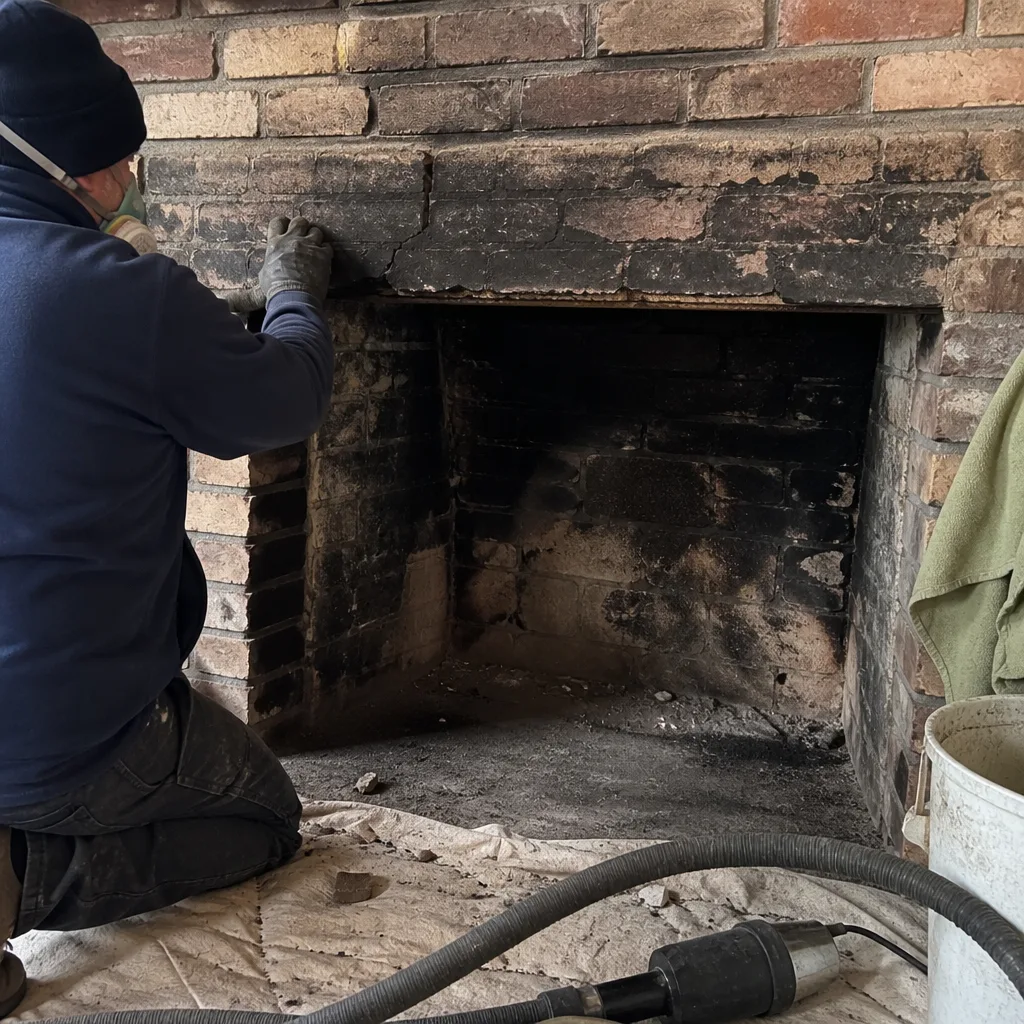
See the difference
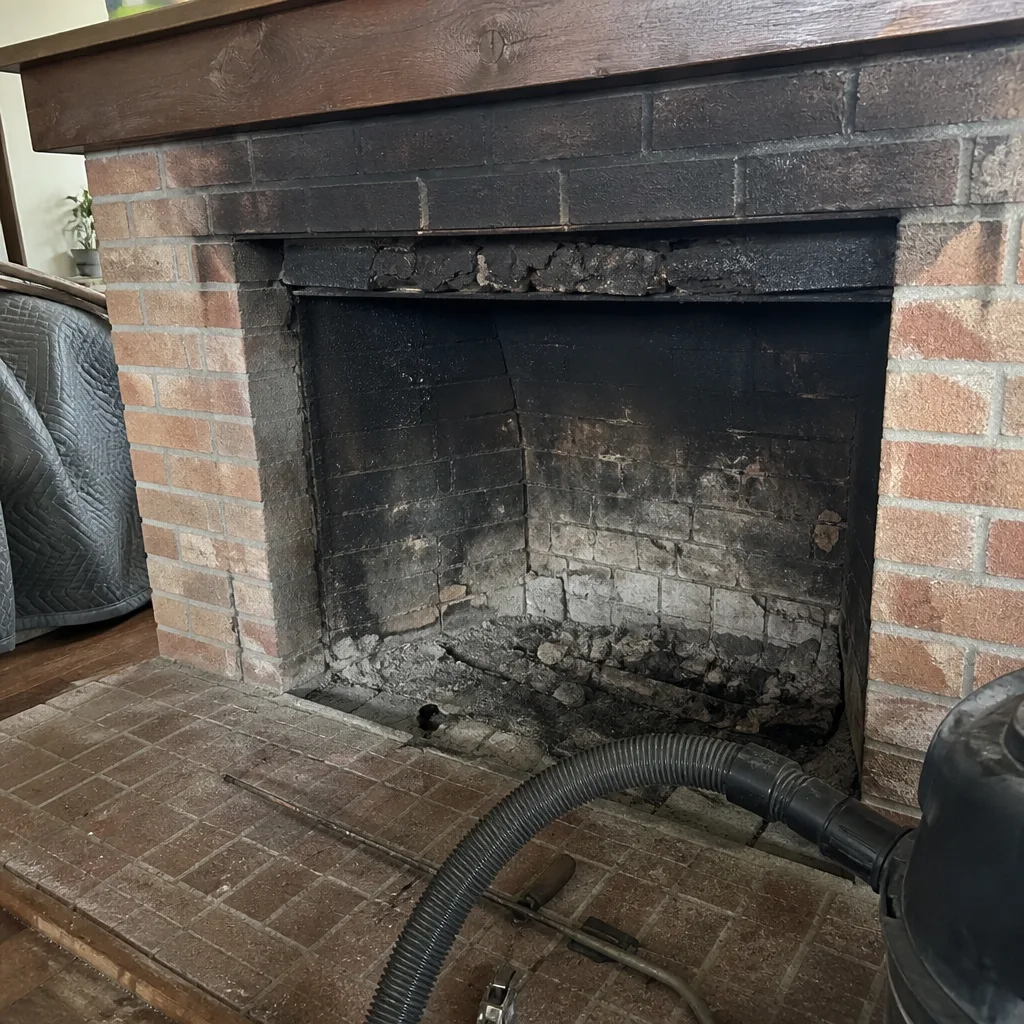 Before
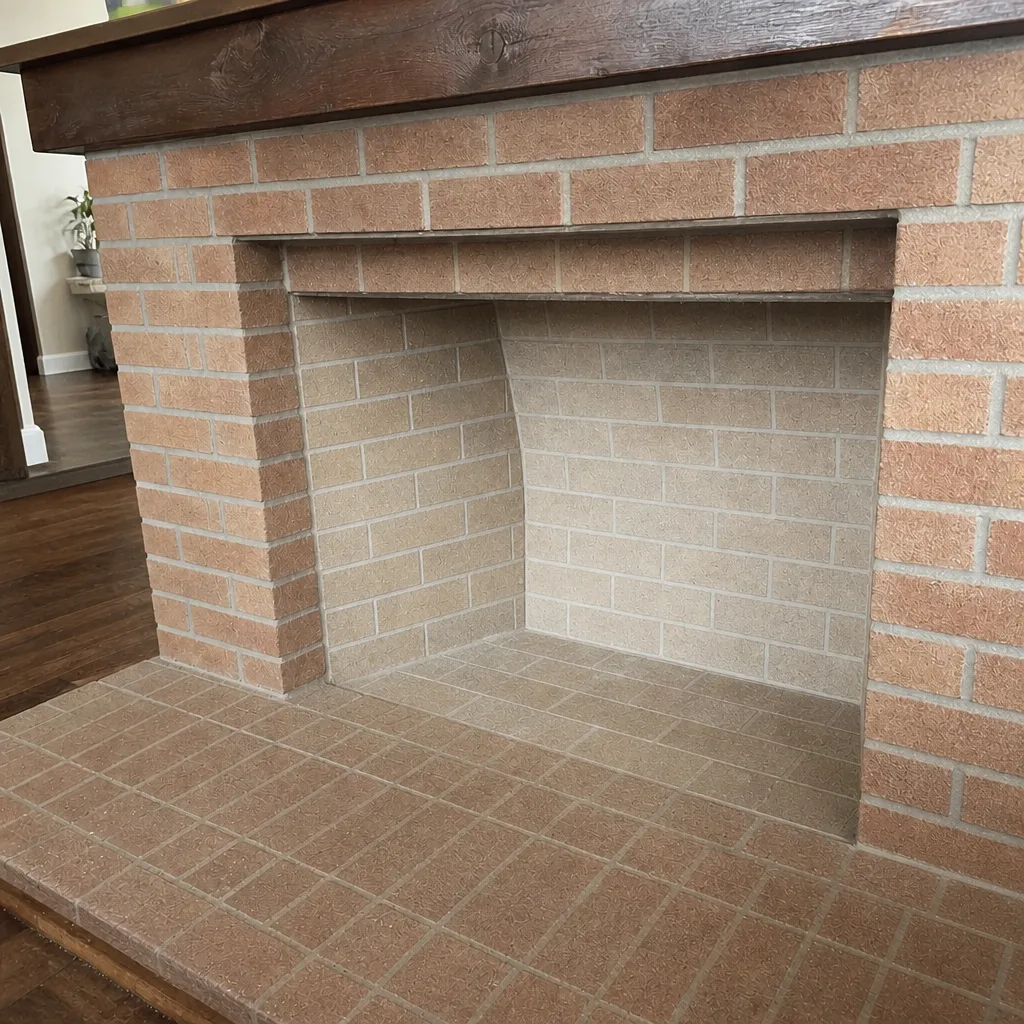 After
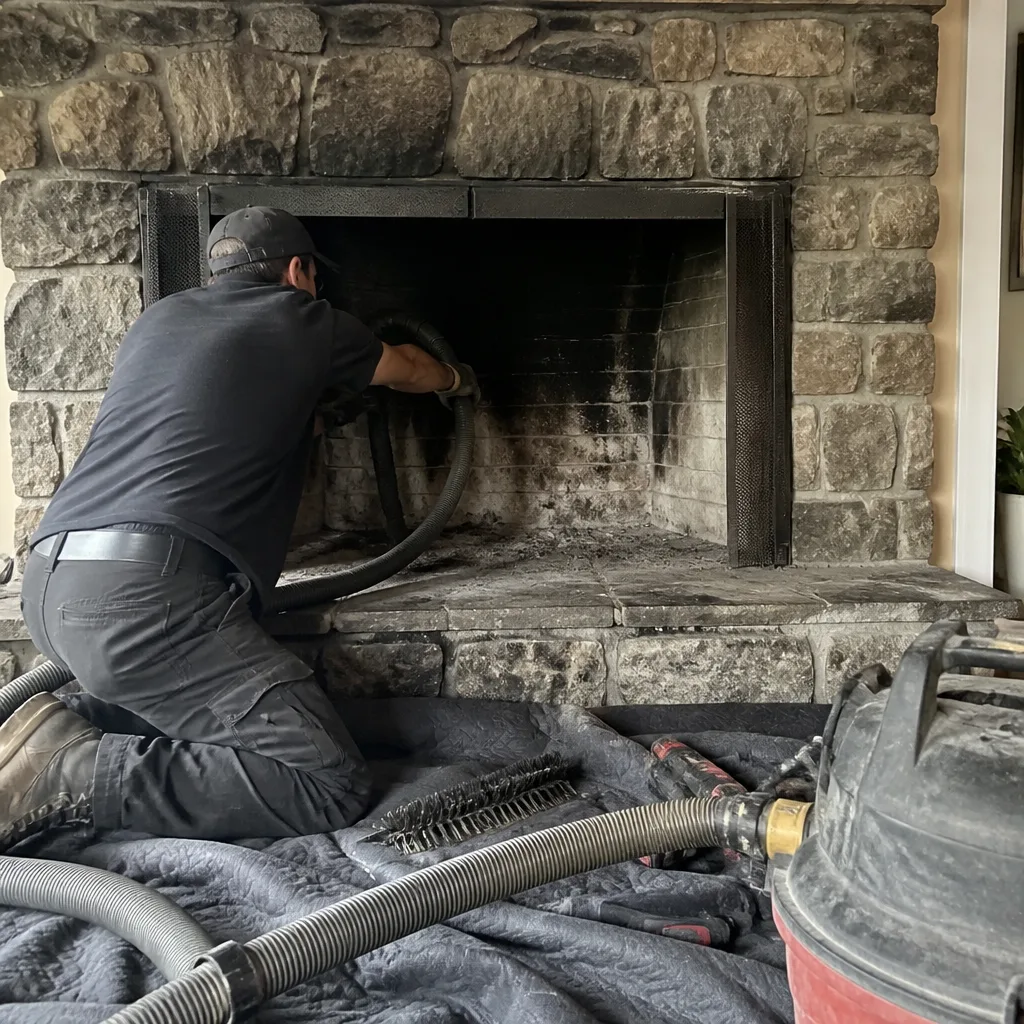 Before
 After
 Before
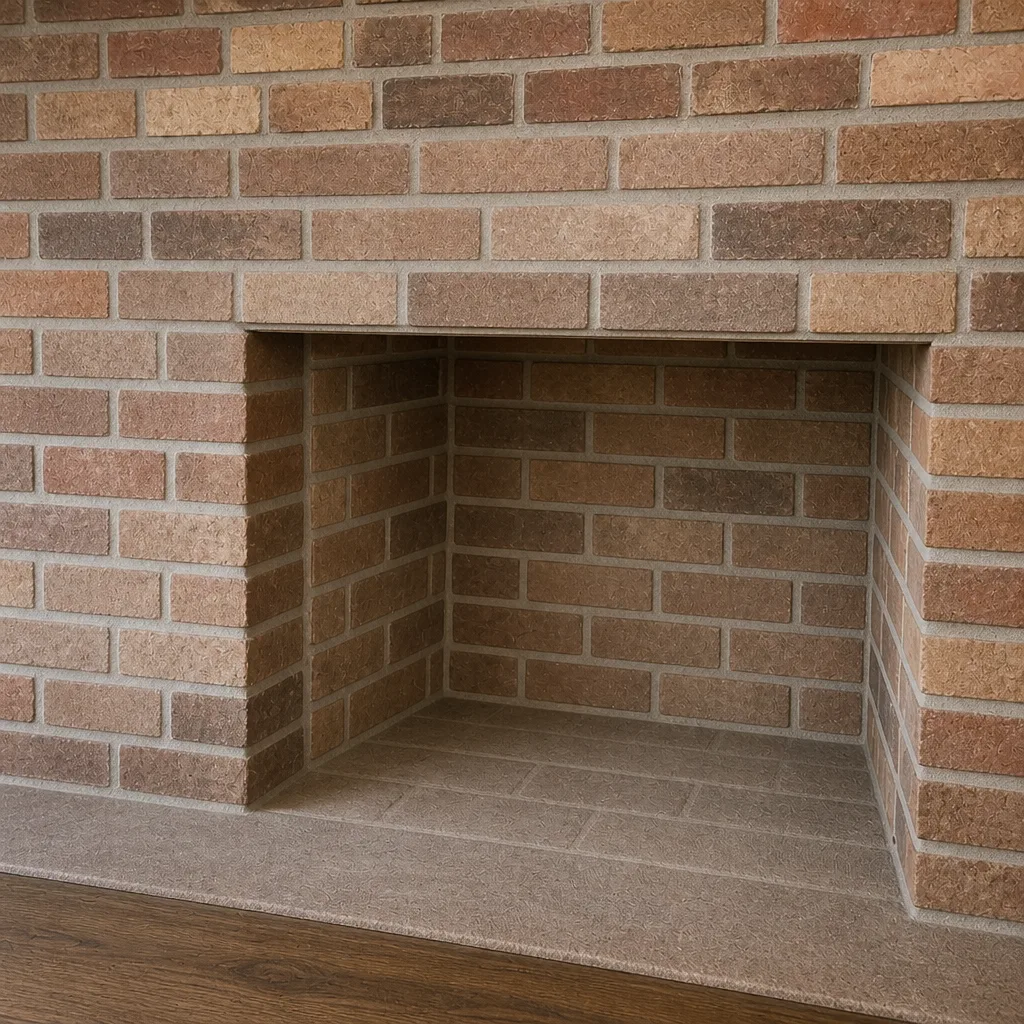 After
When to Call a Professional
Call a professional chimney specialist if any of the following is true:
- You burn wood regularly and haven’t had the chimney swept or inspected in the last year.
- You notice a strong creosote smell after a burn, or the flue looks glazed when you peer up.
- You see cracks in the crown, missing mortar, or water staining on the chimney exterior.
- Your cap is dented, missing mesh, or the frame is corroded.
- You’ve had a chimney fire, even a small one.
- You’ve never had a camera inspection and don’t know the condition of the flue.
Chimney Sweep Green Lake offers free estimates in Green Lake. Call (877) 820-8284. We answer 24/7. Fast dispatch from 7am to 7pm, Sunday through Friday.
Frequently Asked Questions
Professional-grade brushes are built for daily work on surfaces that can’t be damaged, while consumer brushes are built to a price for occasional homeowner use. The difference shows up in wire gauge (matched to the flue material), rod flexibility (matched to the flue’s geometry), and how closely the brush fits the flue for full coverage. A professionally sized brush cleans all sides; a cheap one leaves a clean path down the middle. Call (877) 820-8284 for an exact quote – estimates are free.
The treatment depends on the stage of creosote in your flue, and the stage can only be established by inspection. Sooty creosote brushes away; glazed creosote usually needs a chemical treatment to soften it before the brush can work. A contractor using professional-trade products will name the product and explain what stage it’s designed for. If they can’t, that’s a signal to ask more questions. Call (877) 820-8284 for an exact quote – estimates are free.
No. HeatShield resurfacing is appropriate for a structurally sound flue with cracked or spalled clay tile, while a stainless reline is typically the answer when the lining is largely lost or the flue is exiting for a change in appliance size. Choosing the wrong system for the actual condition means a repair that doesn’t hold. A camera inspection with photos you can review is how a specialist makes that call. Call (877) 820-8284 for an exact quote – estimates are free.
The lifespan depends heavily on the material: stainless caps last far longer than galvanized, and crown formulations vary in how well they handle the freeze-thaw cycle this area gets. In our experience, a professionally installed stainless cap and a correctly sloped, properly sealed crown are the two weatherproofing details that make the biggest difference in Green Lake. Ask the contractor to describe the material and the installation detail.
Not if you frame it as curiosity about the materials going into your chimney. “What do you use and why?” is a fair question, and a trained specialist will answer it with product names and reasons. If a contractor is defensive or vague, that’s the answer you needed. A confident answer names the product, explains the application, and is honest about limits. Call (877) 820-8284 for an exact quote – estimates are free.
Nothing should be recommended without a camera inspection you can see for yourself. If a contractor claims your flue needs a reline without showing you the interior, don’t book the work. A specialist will walk you through the photos, explain what the condition means, and tell you plainly when a repair can safely wait. That’s what we do at Chimney Sweep Green Lake, and it’s the standard you should expect from any contractor. Call (877) 820-8284 for an exact quote – estimates are free.
The Bottom Line
The right chimney cleaning brand isn’t a label on a truck – it’s the materials inside your flue. Professional-trade brushes, chemical treatments, liners, caps, and crowns are built for a standard of work that consumer products can’t match, and that difference shows up in the quality of the finished job and how long a repair holds. In Green Lake’s wet, freeze-prone climate, the stakes are higher. Ask a contractor which products they use and why. A confident specialist will name them. If the answer is vague, keep asking around. Call (877) 820-8284 for a free estimate. We answer 24/7. Fast dispatch from 7am to 7pm, Sunday through Friday. Our fireplace repair team and the rest of our full-scope specialists handle inspection, cleaning, repair, and cap and crown work under one company, so the material conversation doesn’t have to be interrupted by a referral.
Written by the team at Chimney Sweep Green Lake.