
Last updated November 25, 2026
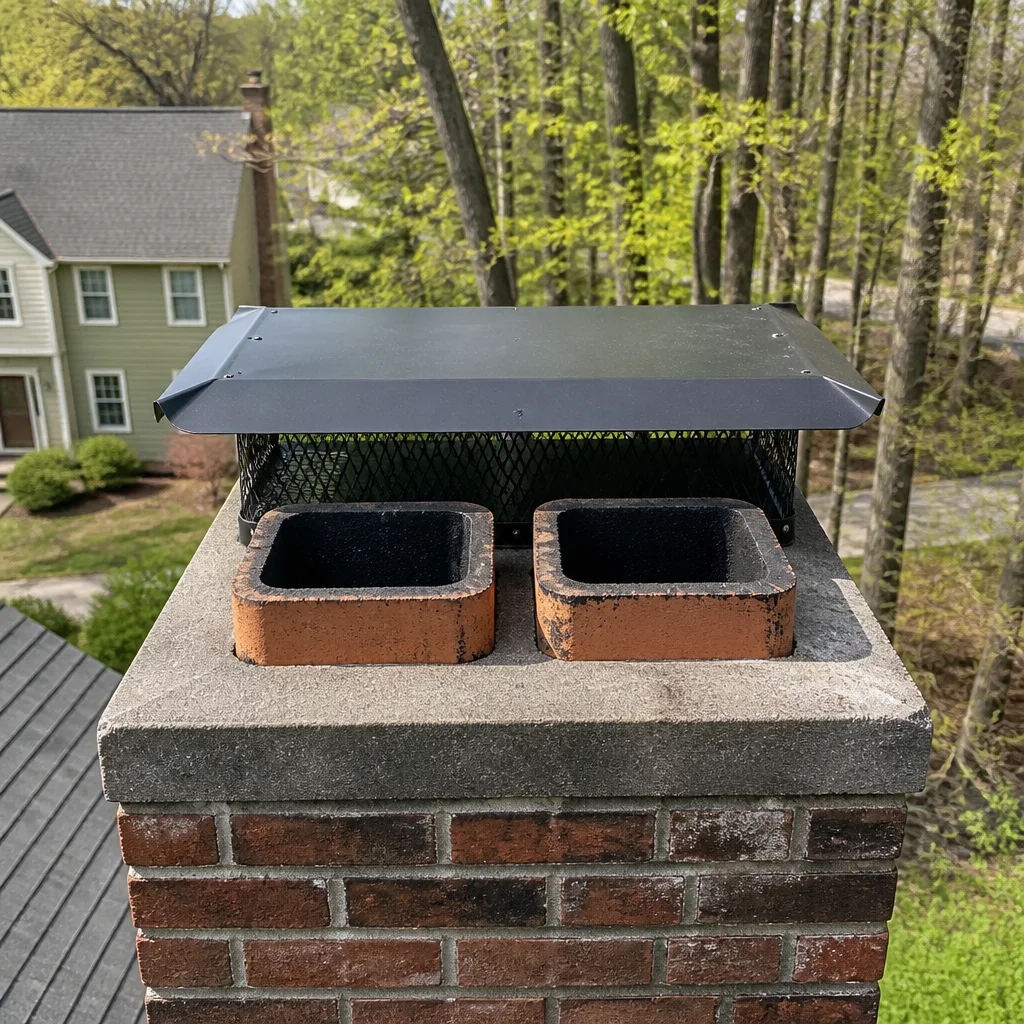 Sweep & inspection
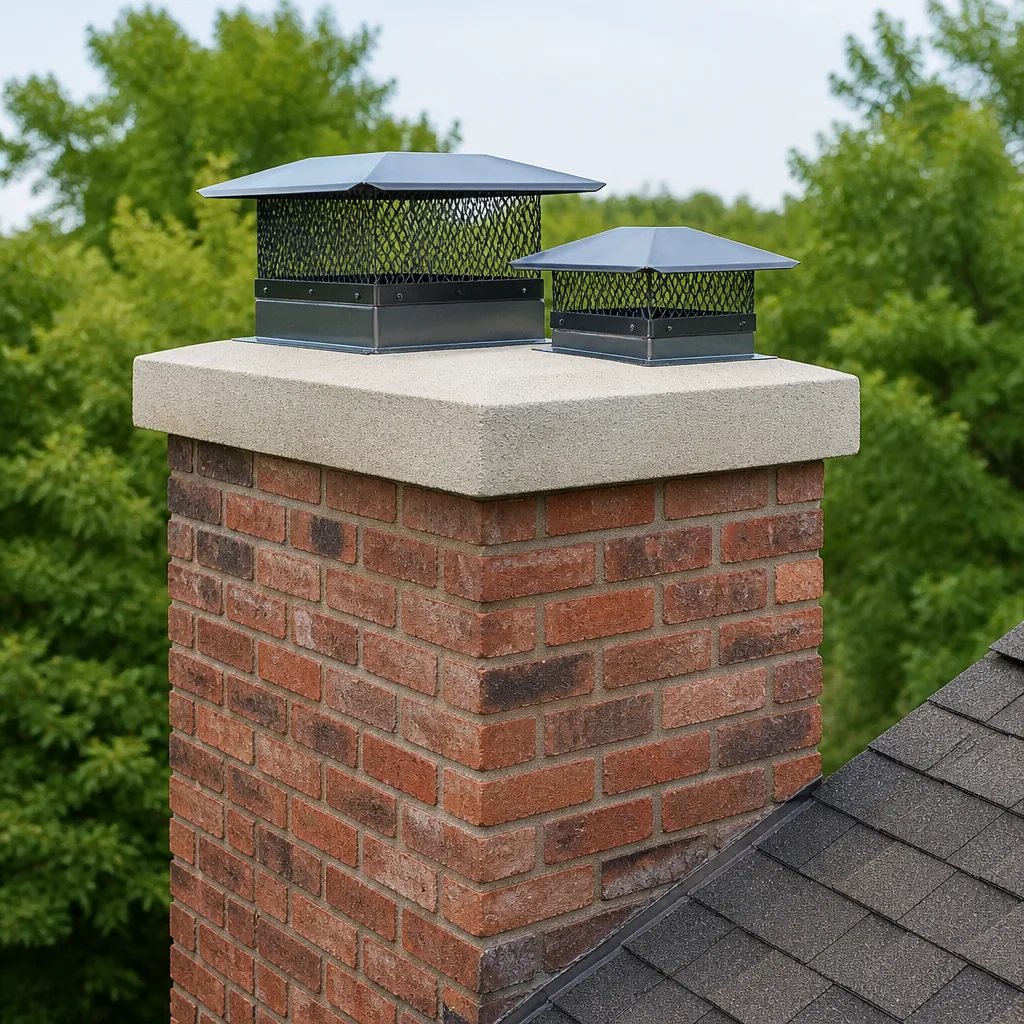 Caps & crowns
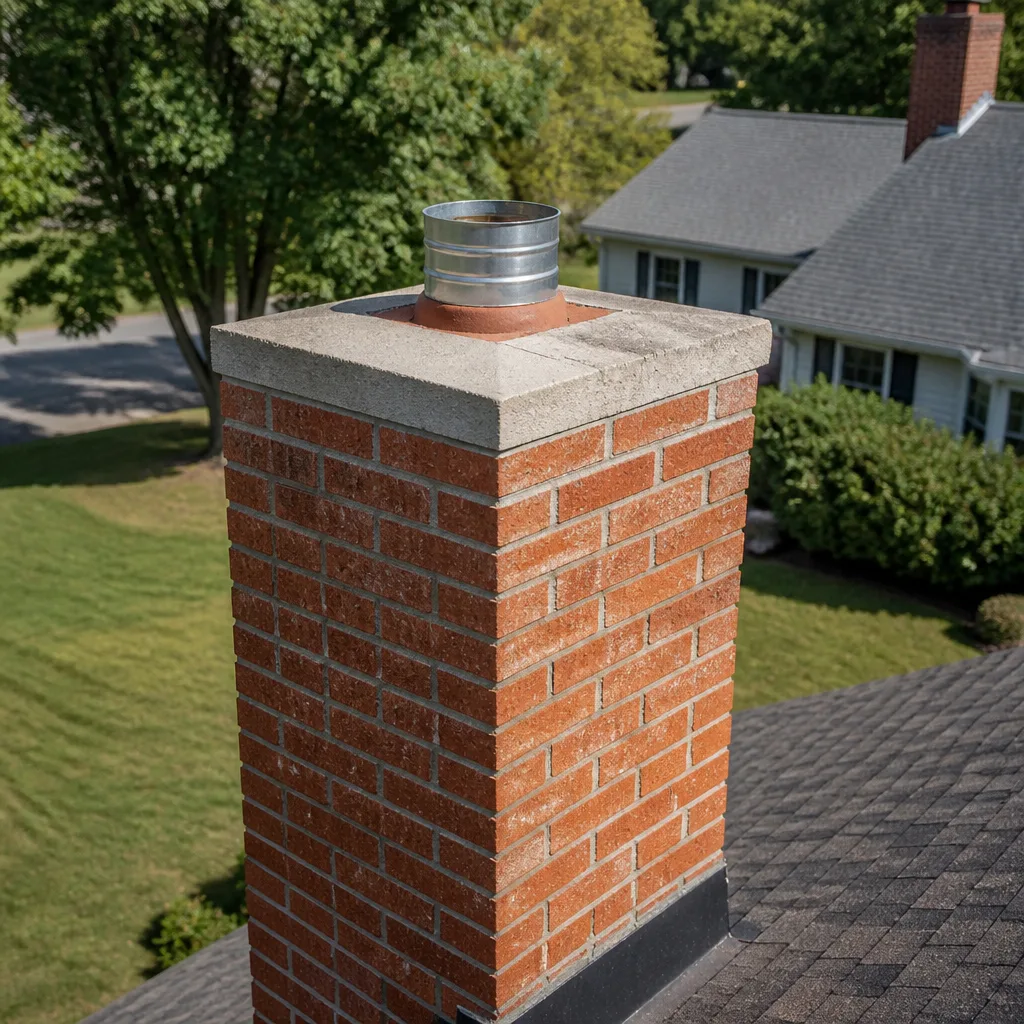 Flue relining
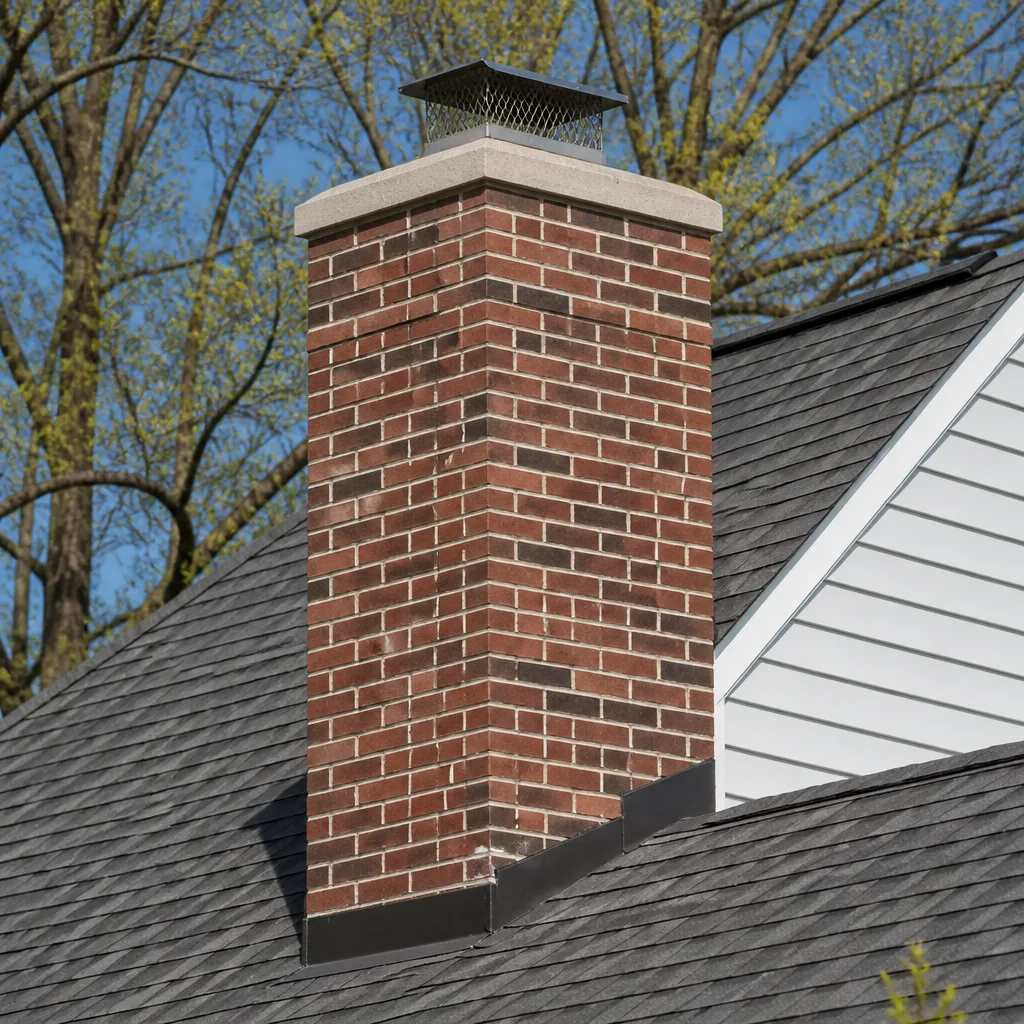 Masonry repair
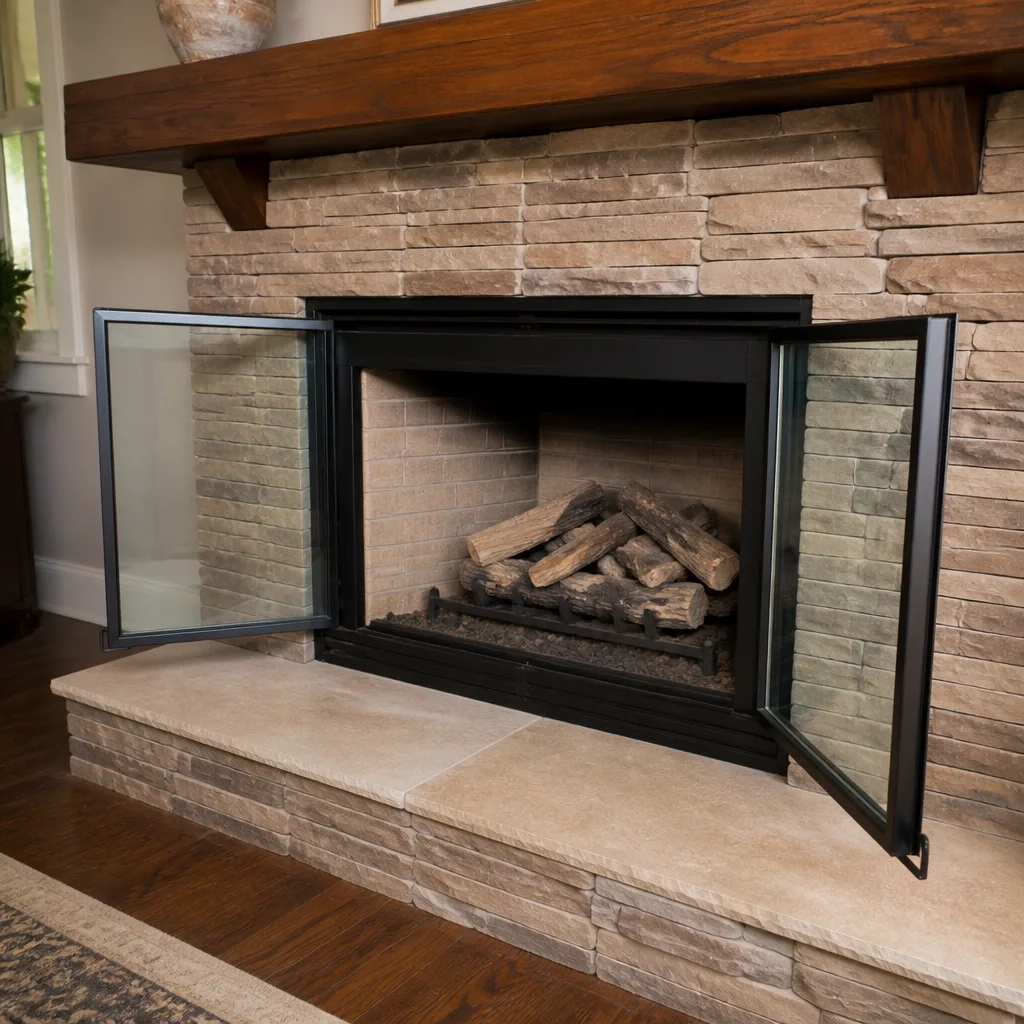 Gas fireplace service
Level 1 sweep and inspection to the NFPA 211 annual standard - flue, crown, cap, and flashing checked and photographed
Chimney sweep logs do not sweep chimneys. They loosen some creosote - which then falls where a brush and vacuum still have to collect it.
The Complete Guide to Chimney Cleaning in Green Lake
Most chimney fires don’t start in visibly dirty chimneys. They start in ones that passed a quick visual check but had glazed creosote hidden on the flue liner, well past where a flashlight glance reaches. In Green Lake, that risk has a local twist: our wet, marine-influenced climate causes creosote to absorb moisture and harden into dense, tar-like deposits, a different buildup pattern than the dry, flaky glazing you’d find in drier inland markets. Add the older bungalows and Craftsman homes throughout the neighborhood, many with original clay tile liners, and you get a cleaning job that demands more than a quick brush-and-go. This guide walks through every layer of a proper cleaning, so you know exactly what a thorough job involves and what to ask for.
Quick Answer
Professional chimney cleaning in Green Lake is a multi-stage process: a Level 1, 2, or 3 inspection determines the condition of the flue, followed by rotary brushing, chemical treatment of hardened creosote if needed, and HEPA vacuum containment throughout. For the clay tile liners common in older Green Lake homes, cleaning protocols differ from modern stainless inserts because tile joints and mortar need gentler handling. A complete visit includes documentation of what was found and what was removed.
Styles & brands we work with
- Sweep & inspection
- Caps & crowns
- Flue relining
- Masonry repair
- Gas fireplace service
Table of Contents
- Why Green Lake Chimneys Build Up Differently
- The Anatomy of a Full Cleaning: Stage by Stage
- Level 1, 2, and 3 Inspections: Which One Do You Need?
- Older Green Lake Bungalows and Their Clay Tile Liners
- How Stainless Liners Change the Cleaning Method
- What Documentation You Should Receive After Every Cleaning
- What Does Chimney Cleaning Cost in Green Lake?
- How Often Should You Schedule a Cleaning?
Why Green Lake Chimneys Build Up Differently
Green Lake’s climate is the first thing to understand about chimney maintenance here. The neighborhood sits in a wet, temperate zone with heavy fall and winter rainfall, high humidity, and plenty of overcast days. That moisture doesn’t stay outside. It gets into the chimney through rain caps that have rusted out, cracked masonry crowns, and missing mortar joints, and it changes the chemistry of what builds up inside the flue.
In drier climates, creosote tends to form as a lighter, flaky soot that brushes away easily. In Green Lake, moisture interacts with creosote as it condenses, producing a harder, denser deposit. The worst version is glazed creosote: a shiny, tar-like layer fused to the flue wall that a standard brush won’t touch. It’s also the most flammable stage of creosote, and the one most often missed during a superficial check.
There’s a second local factor, too. The housing stock around Green Lake includes many homes built in the early to mid-20th century, with original clay tile liners and masonry fireplaces. Older liners have more hairline cracks where moisture and creosote collect, and tile joints that have shifted over the decades give deposits a place to anchor. A cleaning method that works fine on a newer insert may leave material trapped behind in an older Green Lake flue.
Fuel type matters as well. Homeowners burning seasoned hardwood get different deposits than those burning softer woods or occasional fire-starter logs. The moisture content of the wood, how hot the fire burns, and how often the damper is partly closed all influence what ends up on the liner walls.
The Anatomy of a Full Cleaning: Stage by Stage
A thorough cleaning isn’t a single action; it’s a sequence where each stage depends on the one before it. Skip any step and residue remains behind, either in the flue or in the room.
- Setup and containment. Drop cloths go down around the hearth, and a HEPA vacuum is positioned at the firebox opening. The vacuum runs throughout the job to capture airborne soot. Without this, fine particles settle across the room by the time the job ends.
- Initial inspection. Before any brushing begins, the technician assesses the firebox, damper, smoke chamber, and flue with a camera or mirror. This determines the inspection level needed and reveals conditions that change the cleaning approach, such as a cracked tile or an obstruction.
- Rotary brushing. A rotary brush sized to the flue is run from the top down or bottom up, depending on the configuration. Rotary action is what removes packed soot and lighter creosote from the liner walls. A hand brush alone won’t generate the contact needed for hard deposits.
- Chemical treatment for glazed creosote. When deposits reach the glazed stage, brushing alone won’t remove them. A chemical creosote remover is applied to soften the layer, then the flue is brushed again once it’s broken down. This step can require a follow-up visit if the layer is thick.
- Smoke chamber and damper cleaning. The smoke chamber above the damper is a common collection point for soot that brushes from the flue miss. It gets its own pass, and the damper is checked for smooth operation.
- Final vacuum and visual verification. A last pass with the camera confirms the flue is clear, and the HEPA vacuum captures any dislodged material.
- Cap and crown check. The top of the chimney is inspected for a functioning cap and an intact crown. These are what keep Green Lake rain out of the flue between cleanings.
If the cap or crown needs work, that falls under chimney cap & crown service, and it’s worth handling before the wet season refills the flue with moisture again.
Level 1, 2, and 3 Inspections: Which One Do You Need?
The inspection level isn’t a matter of preference; it’s determined by what’s happened to the chimney since the last cleaning. Each level covers progressively more of the system.
- Level 1. A visual check of all readily accessible portions of the chimney, firebox, and flue, without special tools. This is the standard inspection for a routine annual cleaning when nothing has changed: same fuel, same appliance, no known damage.
- Level 2. Everything in Level 1, plus a video camera scan of the flue interior and inspection of accessible attic, crawlspace, and rooftop areas. A Level 2 is required after a triggering event: a chimney fire, a change in fuel type, a new appliance or liner installation, a property sale, or an earthquake. It’s also the right call when a Level 1 turns up anything suspicious.
- Level 3. The most extensive inspection, which may involve removing parts of the chimney structure, such as interior wall sections or a portion of the crown, to reach concealed areas. It’s reserved for specific suspected problems that can’t be assessed any other way.
In our experience, a large share of Green Lake homeowners have never had a Level 2 inspection and don’t know when one is triggered. If you’ve had a chimney fire, switched from wood to gas or added an insert, or bought the house without a documented inspection, a Level 2 is the appropriate baseline. We can walk through what applies to your situation when you book.
Older Green Lake Bungalows and Their Clay Tile Liners
The Craftsman and bungalow homes that define much of Green Lake’s residential character were built with clay tile flue liners, and those liners need a different touch than modern stainless systems. Clay tile is durable but brittle. The mortar joints between tiles are the vulnerable point: they crack, spall, and shift as the house settles and as the liner expands and contracts through heating cycles.
Cleaning an older tile liner safely means using the right brush stiffness and avoiding aggressive rotary action that could chip a weakened tile. It also means inspecting the joints for gaps where creosote can collect behind the tile. A gap in a mortar joint is also a pathway for heat and gases to reach the surrounding masonry, which is why a camera inspection matters on these homes.
When a tile liner turns out to be compromised, cleaning alone doesn’t solve the problem. This is where resurfacing comes in. HeatShield is a specialist resurfacing system applied to a deteriorating flue interior to restore a smooth, sealed surface without tearing out the existing liner. For more advanced damage, a DuraFlex liner provides structural relining for a compromised or outdated flue system. Both are professional-trade materials, and both let a homeowner fix the underlying problem rather than just clean around it. If your liner needs either, we handle the repair as part of the same relationship, so you’re not tracking down a separate masonry contractor.
How Stainless Liners Change the Cleaning Method
A modern stainless steel liner changes the cleaning job in useful ways. Stainless is smooth, so creosote has less surface texture to grip, and the flue tends to stay cleaner between sweeps. Brushing a stainless liner is more forgiving, and there’s no mortar joint to protect.
But stainless liners still need cleaning. Soot and creosote build up the same way they do on tile, and the same wet Green Lake climate drives moisture into the flue. A stainless liner that isn’t capped properly will still collect rain and accelerate deposit hardening. The difference is in the maintenance routine, not the need for one.
Stainless systems also have components that need checking: the top plate, the cap, and the connection at the appliance. A loose connection or a cap that’s come free is a common find during a cleaning visit, and it’s easy to fix before it becomes a bigger problem. If a liner is aging or damaged, relining with a DuraFlex system restores the flue’s integrity; Olympia Chimney components are another professional-trade option for the right application. The point is that a full-scope specialist can inspect, clean, and repair within one visit instead of sending you elsewhere.
What Documentation You Should Receive After Every Cleaning
A cleaning without documentation is hard to verify and harder to act on. Every professional cleaning visit should leave you with a record of the chimney’s condition at that point in time. Ask for it if it isn’t offered.
- A written summary of the inspection level performed and what was assessed at each stage.
- Photos or video stills of the flue interior, before and after cleaning. You should be able to see what was found and what was removed.
- A record of the creosote condition, described by stage, so you can track whether it’s improving or worsening between visits.
- Any deficiencies noted, such as a cracked tile, a deteriorated crown, a missing cap, or a damper that doesn’t seal.
- Recommendations with a time frame, clearly separated into what needs attention now and what can safely wait.
That last point matters. You shouldn’t be told you need thousands of dollars of liner or masonry work you have no way to verify. Nothing should be recommended without camera evidence you can see for yourself, and we’ll say plainly when work can wait until a later season. A report you can hold onto also gives the next technician a baseline, and it’s valuable if you ever sell the home.
What Does Chimney Cleaning Cost in Green Lake?
Chimney cleaning in Green Lake typically falls in a range that depends on the flue configuration, the creosote condition, and whether a camera inspection is included. A straightforward sweep of an accessible flue sits at the lower end. A flue with glazed creosote needing chemical treatment, or an older clay tile liner requiring a camera inspection, sits higher. Every job is priced by a written estimate before any work begins, and the estimate is free.
- Standard sweep with a visual inspection: estimated range, lower end
- Sweep plus camera inspection (Level 2): estimated range, mid
- Sweep with chemical treatment for glazed creosote: estimated range, higher end, sometimes requiring a follow-up visit
- Cap and crown work, if needed: quoted separately after inspection
We don’t publish a flat rate because a cleaning that’s right for a modern stainless insert isn’t the same job as one for a 1920s clay tile flue. The written estimate is what sets the final price, and you’ll have it before we start. For a closer look at what a routine visit covers, see our chimney sweep page. To get numbers for your specific chimney, call (877) 820-8284. We answer 24/7. Fast dispatch from 7am to 7pm, Sunday through Friday.
How Often Should You Schedule a Cleaning?
Most chimneys should be cleaned once a year, and more often if you burn wood heavily. The common guidance is to clean when about an eighth of an inch of soot or creosote has accumulated on the flue walls, which for most Green Lake households means an annual visit just before the heating season starts. Gas and pellet appliances follow their own schedules, and a technician can tell you what fits your setup.
Yearly cleaning also catches problems early. A cracked crown or a rusted cap found in the fall is a small repair. The same issue left through a Green Lake winter lets moisture into the flue for months, and that’s when creosote hardens and masonry damage deepens. Scheduling before the wet season is the single most effective maintenance habit for a chimney in this climate.
If you’ve had a chimney fire, changed fuel type, installed a new appliance or liner, or bought a home without a documented inspection, book a Level 2 rather than a standard sweep. When you’re ready to schedule, call (877) 820-8284. We answer 24/7. Fast dispatch from 7am to 7pm, Sunday through Friday.
Common Mistakes to Avoid
- Judging the flue by what you can see from the firebox. Glazed creosote hides on the liner walls well above the firebox opening, and a flashlight glance from below won’t reach it. A camera inspection is the only reliable way to know what’s on the flue.
- Skipping the chemical step on glazed creosote. Brushing a glazed layer without softening it first leaves the hardest, most flammable deposit in place. It’s the one stage of creosote that needs treatment, not just a brush.
- Cleaning a clay tile liner with the wrong brush. Aggressive rotary action on a weakened tile liner can chip tiles and open mortar joints. Older Green Lake bungalows need a gentler approach with a camera check of the joints.
- Leaving the cap and crown unchecked. In Green Lake’s wet climate, a failed cap or cracked crown lets rain into the flue all winter, and moisture is what turns ordinary soot into hard, tar-like creosote.
- Accepting a cleaning with no documentation. Without photos and a written summary, you have no record of the flue’s condition and nothing to compare against next year.
- Letting a sales pitch replace evidence. If you’re told you need liner or masonry work, ask to see the camera footage. Any recommendation should come with visual proof you can review yourself.
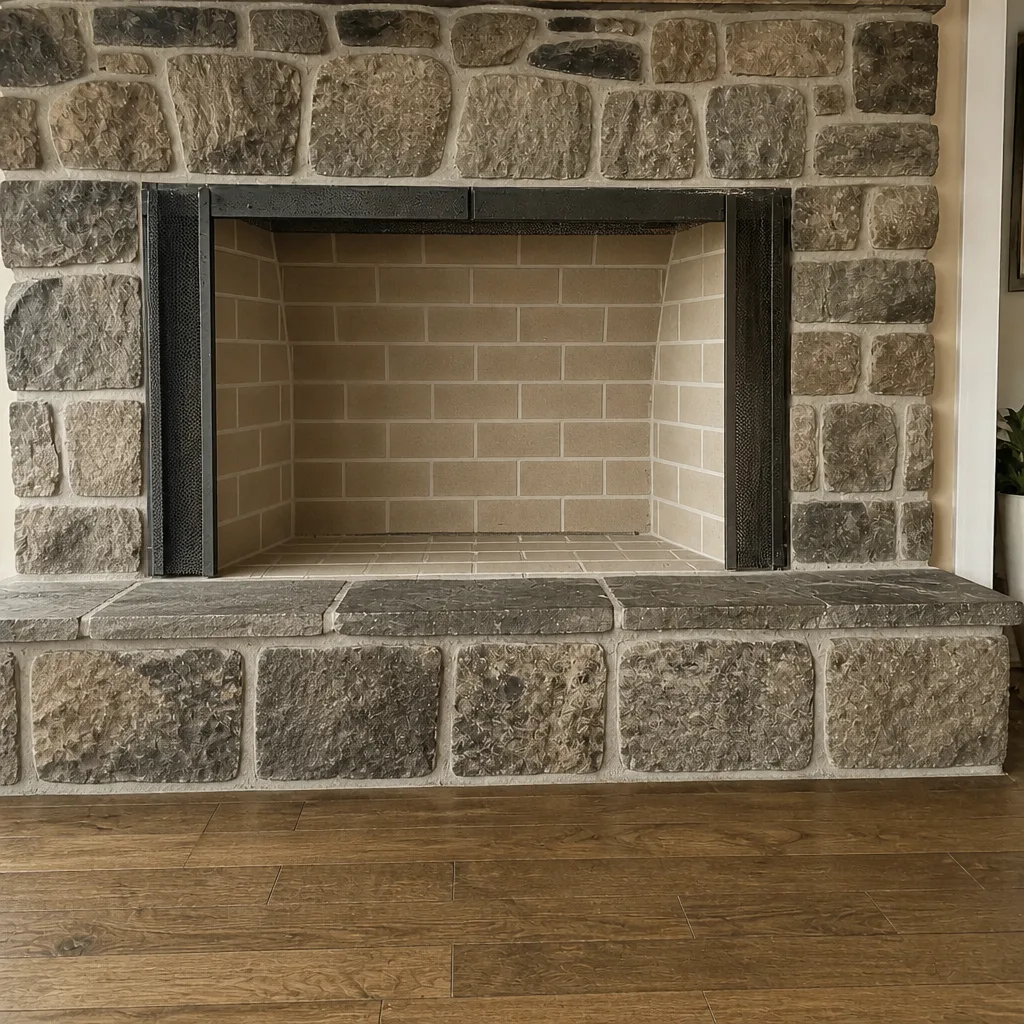
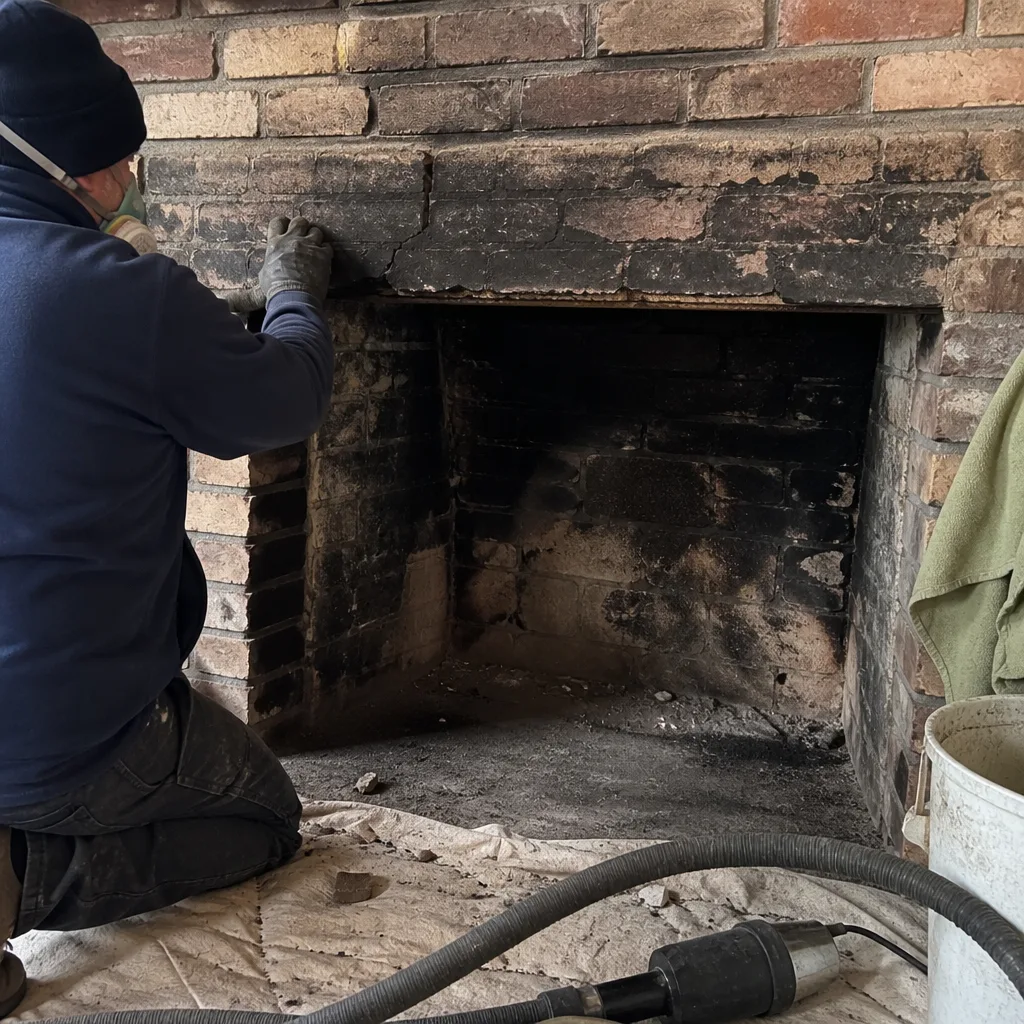
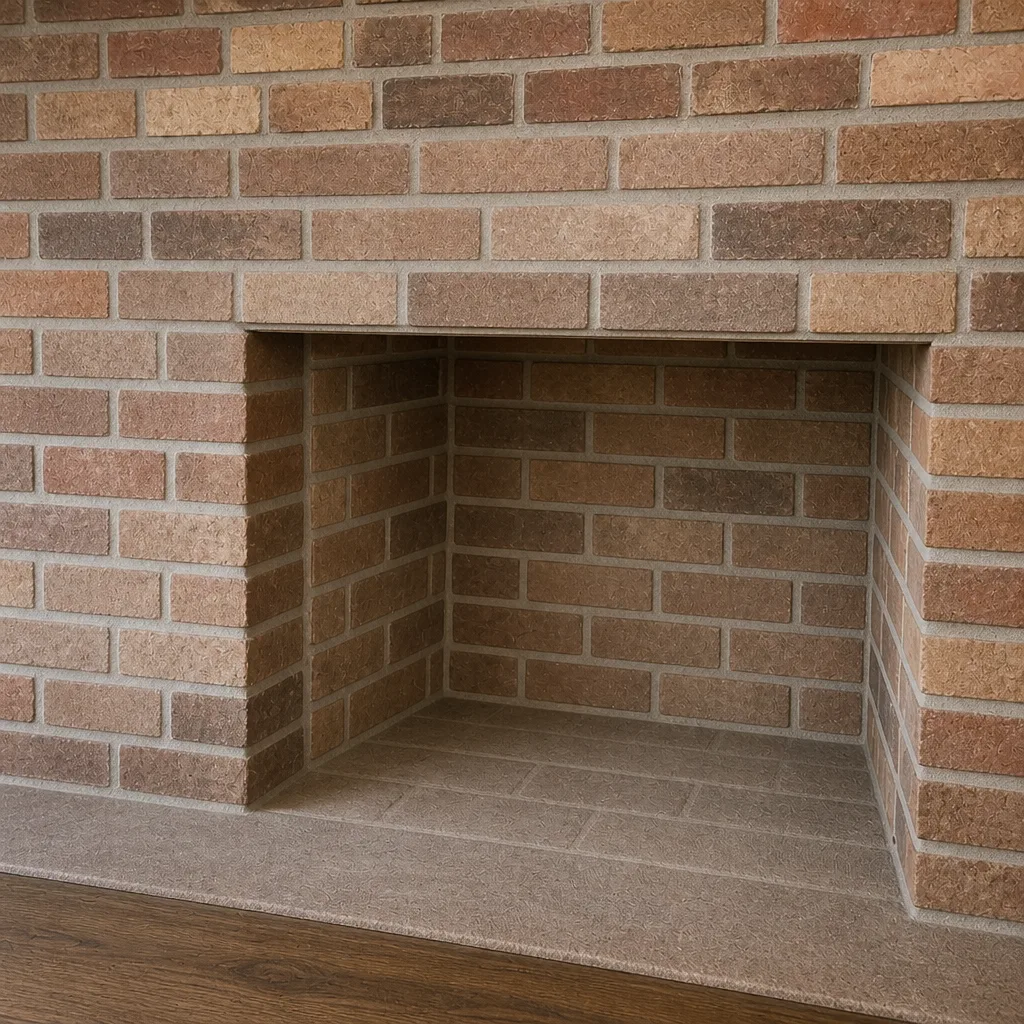
See the difference
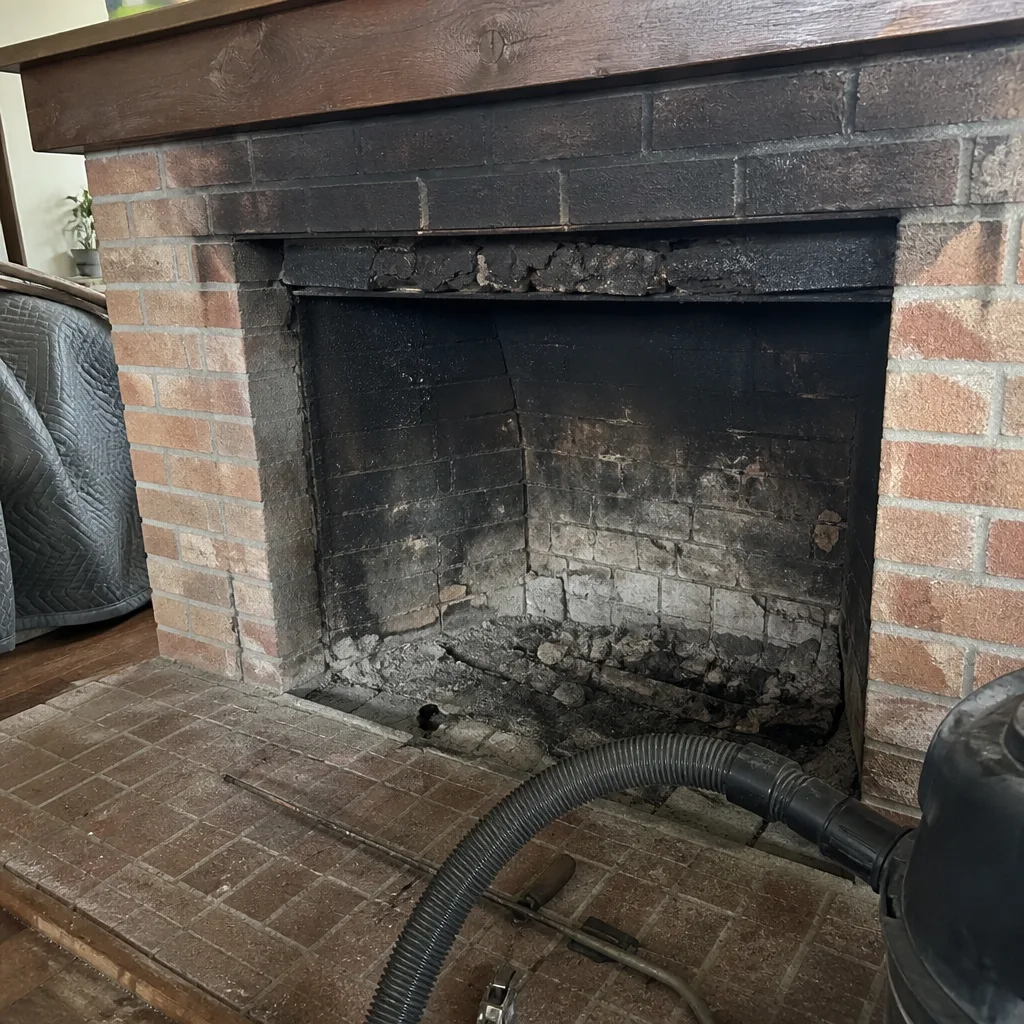 Before
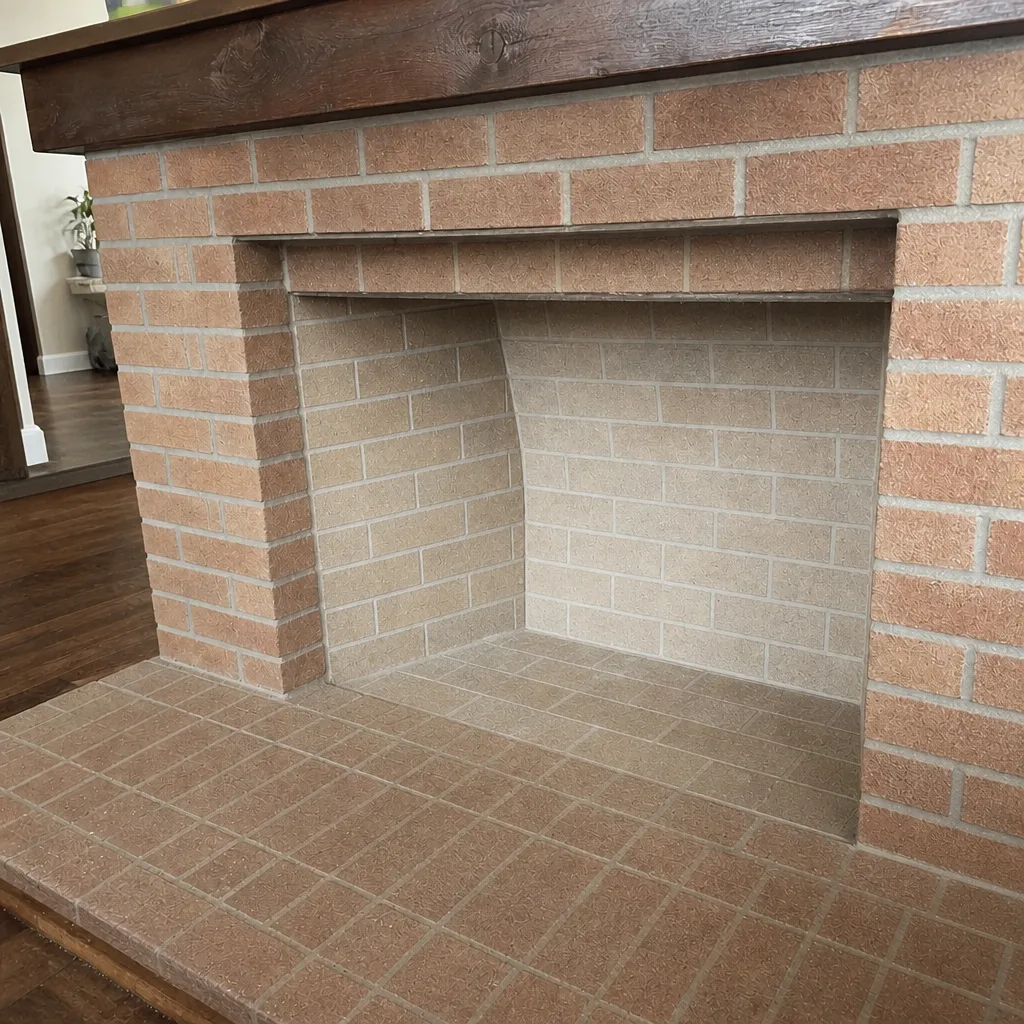 After
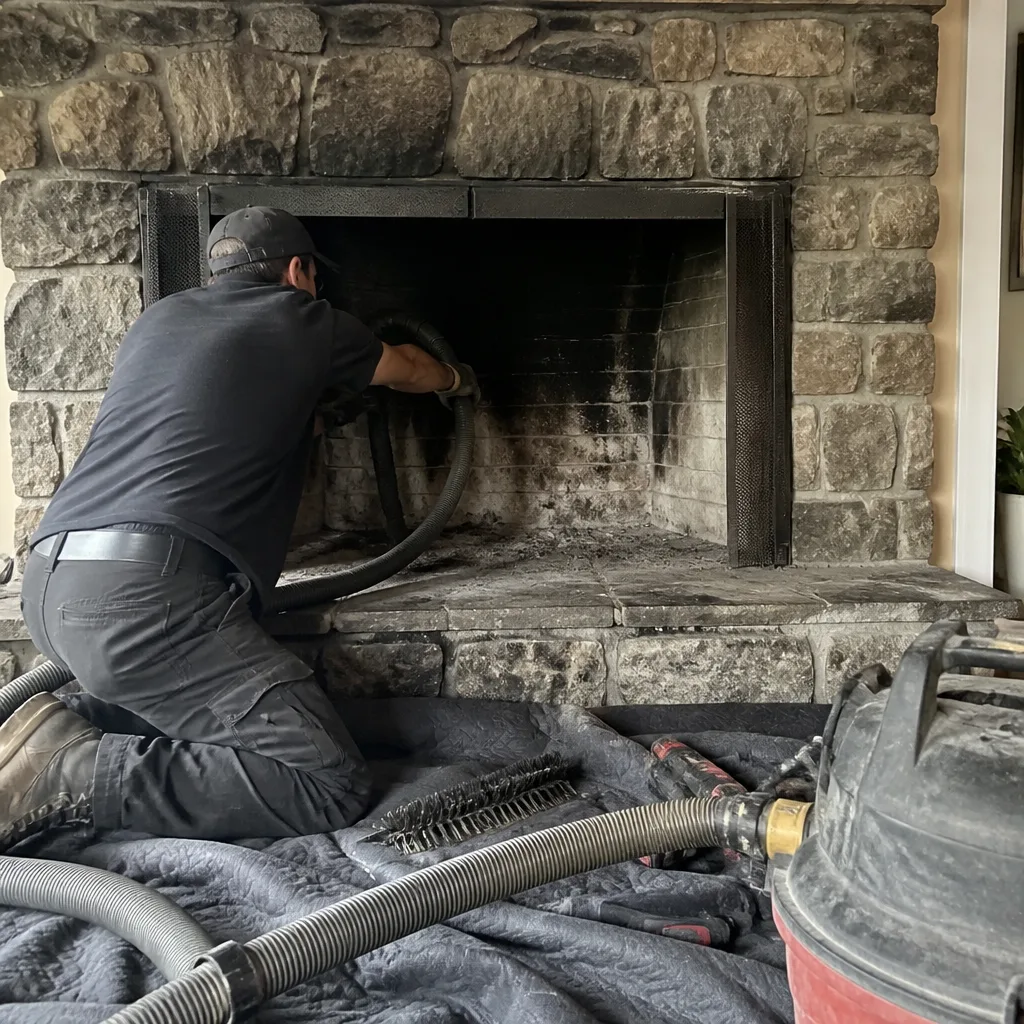 Before
 After
 Before
 After
When to Call a Professional
Some situations call for a trained technician rather than a DIY attempt. If you’ve had a chimney fire, even a small one, book a Level 2 inspection. If you notice a strong creosote smell, smoke backing into the room, or a damper that no longer seals, those are signs worth investigating. If your flue has never been camera-inspected, or you’ve switched fuel types or added an insert, a professional inspection is the right starting point. Cleaning a chimney involves working at height, handling hazardous creosote, and potentially working around a compromised liner, which is not a safe DIY job. Chimney Sweep Green Lake offers free estimates in Green Lake: call (877) 820-8284. Our technicians have up to 9 years of experience.
Frequently Asked Questions
Chimney cleaning in Green Lake is priced per job based on your flue configuration and the creosote condition found during inspection, with a written estimate before work begins. A standard sweep sits at the lower end; a sweep with a camera inspection or chemical treatment for glazed creosote sits higher. The estimate is free. Call (877) 820-8284 for an exact quote. We answer 24/7. Fast dispatch from 7am to 7pm, Sunday through Friday.
Only if the existing liner is actually compromised, and you should be shown camera evidence of the damage before any relining is recommended. A cracked tile or opened mortar joint can sometimes be restored with HeatShield resurfacing; more advanced damage may call for a DuraFlex liner. If the liner is sound, cleaning is all you need. Call (877) 820-8284 to book an inspection and see the footage yourself.
Most chimneys should be cleaned once a year, and more often if you burn wood heavily. The common threshold is about an eighth of an inch of soot or creosote on the flue walls. In Green Lake’s wet climate, scheduling before the heating season is the best way to catch problems before winter moisture makes them worse. Call (877) 820-8284 to book a sweep.
Skipped cleanings let creosote build up to a flammable stage and allow moisture to keep working on the flue, which is the path to a chimney fire or a damaged liner. The risk grows quietly: a flue can look fine from the firebox and still hold glazed deposits higher up. Regular cleaning and a camera inspection catch both issues early. Call (877) 820-8284 to get on a schedule.
Yes. Clay tile liners in older Green Lake bungalows and Craftsmans need gentler brushing and a camera check of the mortar joints, because weakened tiles can chip and joint gaps let creosote collect behind them. Modern stainless liners are more forgiving to clean but still need the same routine. When you book, let us know the age and liner type so we can prepare the right approach. Call (877) 820-8284.
A Level 2 inspection is the appropriate response after any chimney fire, because it includes a video camera scan of the flue interior that a basic visual check can’t provide. It’s also the right call after a fuel change, a new appliance or liner, or a home purchase without documentation. Call (877) 820-8284 to schedule. We answer 24/7. Fast dispatch from 7am to 7pm, Sunday through Friday.
The Bottom Line
Chimney cleaning in Green Lake is a multi-stage job shaped by local conditions: wet weather that hardens creosote, older clay tile liners that need careful handling, and housing stock where a camera inspection often finds more than a visual check. A full cleaning means containment, brushing, chemical treatment when glazed deposits appear, a smoke chamber pass, and documentation you can keep. Knowing the inspection levels tells you which visit you need. And when the flue turns out to need resurfacing or relining, a full-scope specialist can handle it rather than referring you out. For a free estimate, call (877) 820-8284. Our technicians have up to 9 years of experience, and we work with professional-trade materials including HeatShield, DuraFlex, and Famco. Explore our Chimney Sweep Green Lake services or our fireplace repair page for related work.
Written by the team at Chimney Sweep Green Lake.