
Last updated November 25, 2026
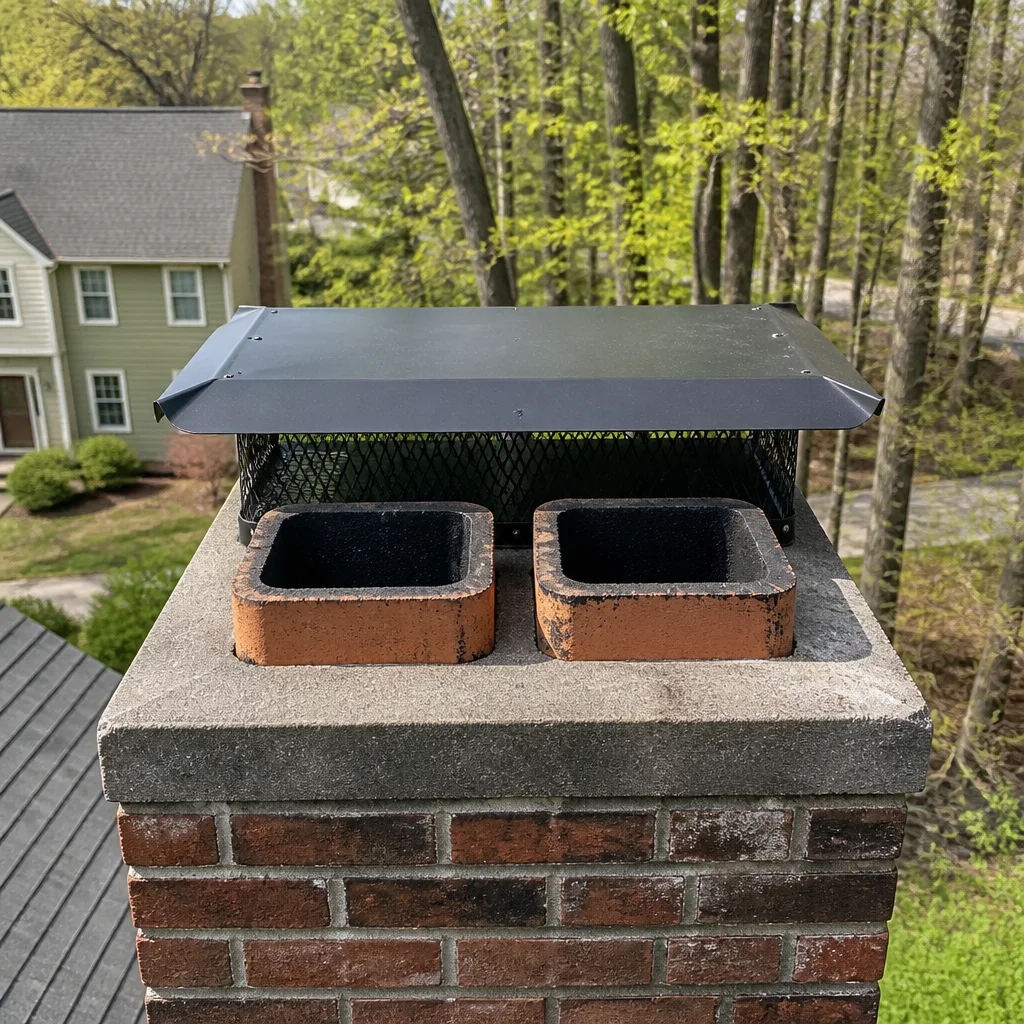 Sweep & inspection
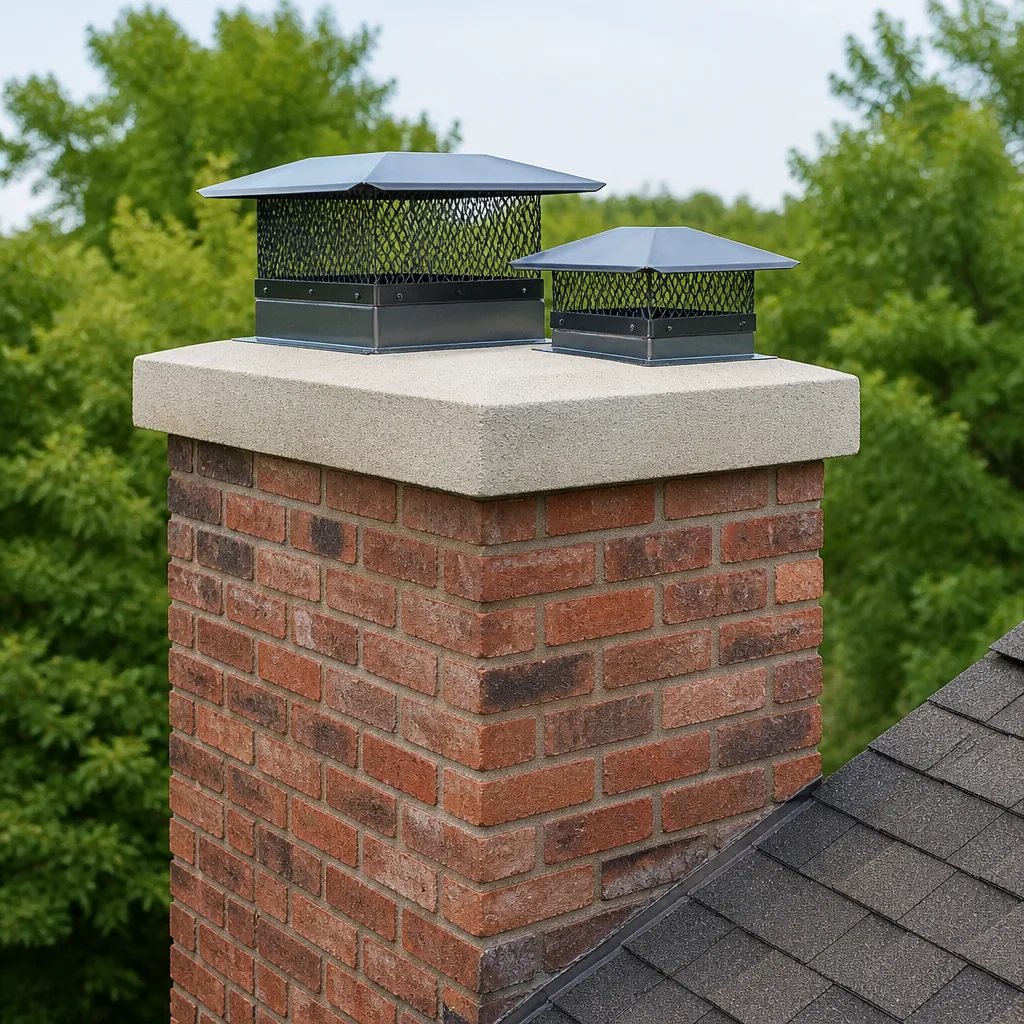 Caps & crowns
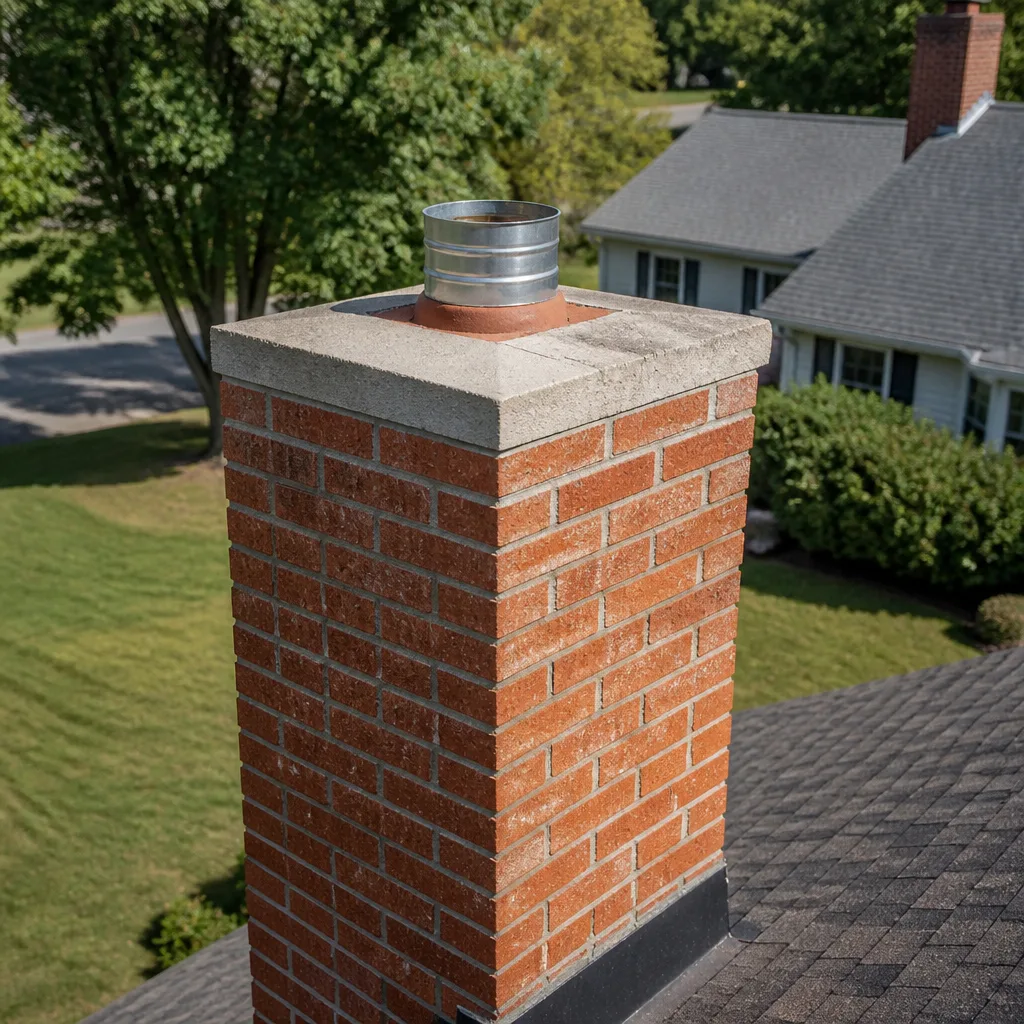 Flue relining
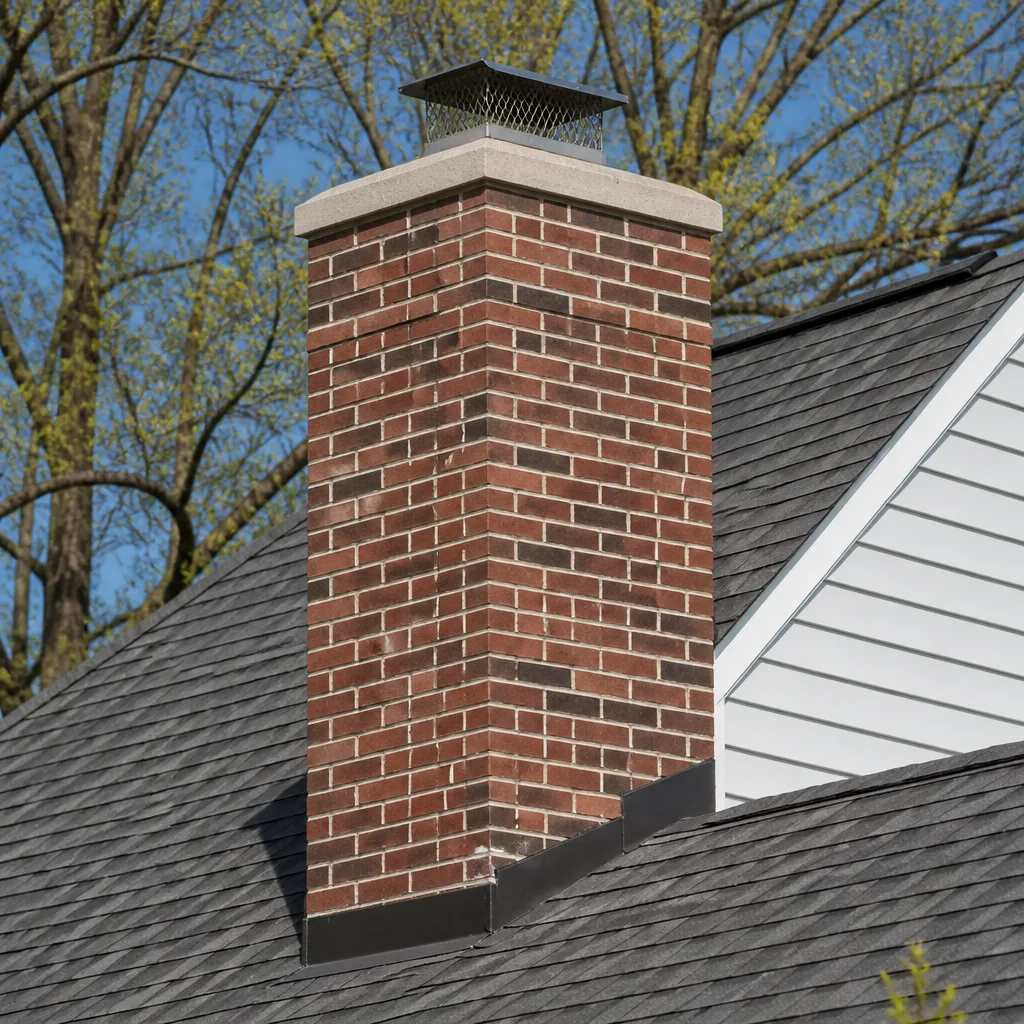 Masonry repair
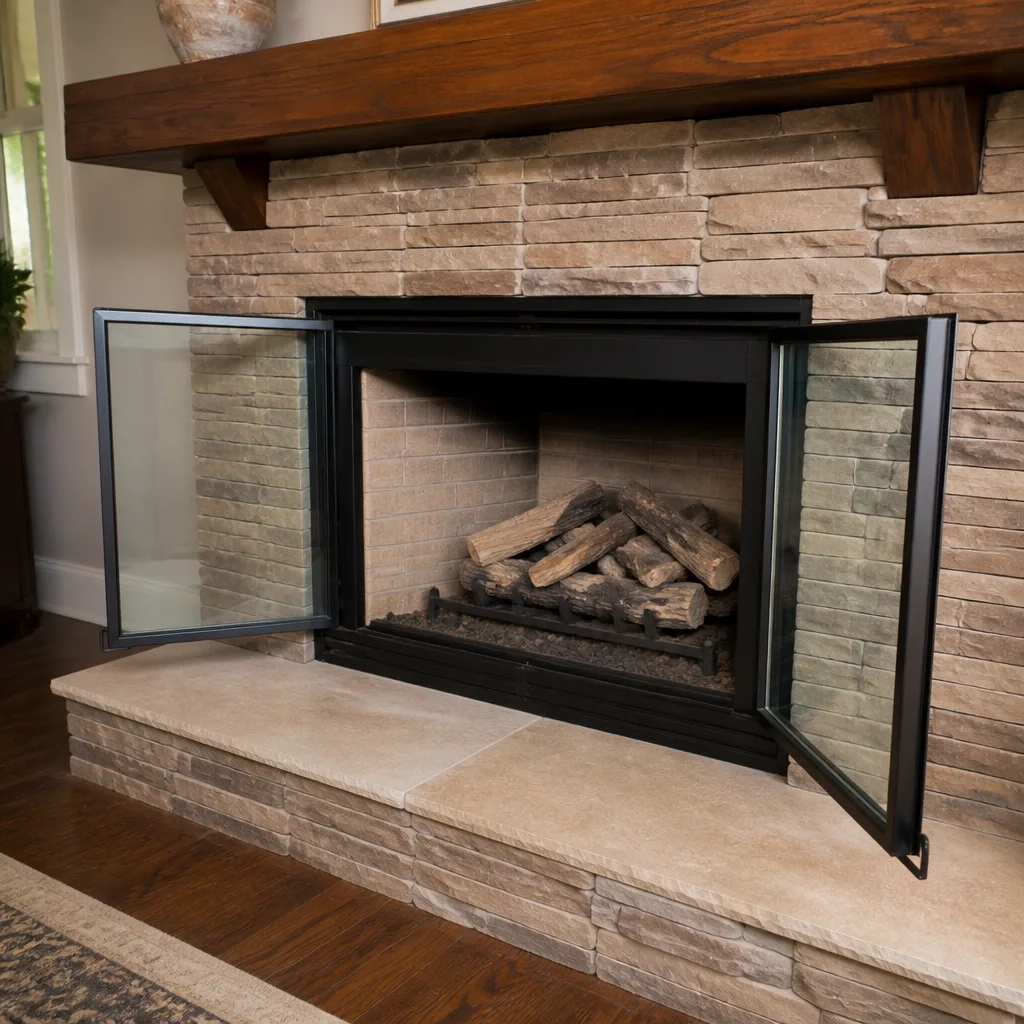 Gas fireplace service
Level 1 sweep and inspection to the NFPA 211 annual standard - flue, crown, cap, and flashing checked and photographed
Chimney sweep logs do not sweep chimneys. They loosen some creosote - which then falls where a brush and vacuum still have to collect it.
Seasonal Chimney Cleaning Care for Green Lake: Year-Round Homeowner’s Guide
The chimney problem that causes the most emergency calls in Green Lake isn’t heavy winter use. It’s the first fire of the season, lit in a flue that spent all summer collecting moisture and debris with the damper left open. Most homeowners treat chimney care as one annual event, usually a sweep squeezed in right before the holidays. That schedule misses the two moments when a Green Lake chimney is actually most vulnerable: the wet shoulder season before the first burn, and the storm season that follows the last one. This guide maps care tasks to each of Green Lake’s four seasons, so you’ll know what to check, when to book, and what can safely wait.
Quick Answer
Chimney care in Green Lake works best on a four-season rhythm, not a single annual sweep. Before the first fire, have the flue inspected and swept so summer moisture and debris don’t meet a fresh flame; clean again in spring if you burned heavily through winter; and use summer to protect the crown and cap from the rain that drives moisture into masonry. Mid-winter, a well-maintained system is usually the safest it will be all year, which is why the shoulder seasons deserve the most attention.
Styles & brands we work with
- Sweep & inspection
- Caps & crowns
- Flue relining
- Masonry repair
- Gas fireplace service
Table of Contents
- Why Green Lake’s Seasons Don’t Stress a Chimney Equally
- Fall Pre-Season: The Highest-Risk Lighting Event of the Year
- Winter Mid-Season: What to Watch During Active Use
- Spring Post-Season: Why Cleaning After Winter Beats Cleaning Before It
- Summer Off-Season: Protecting the System While It Sits
- How Green Lake’s Rainfall Pattern Affects Crown and Cap
- The Green Lake Four-Season Chimney Checklist
- What a Proper Inspection Should Cover
Why Green Lake’s Seasons Don’t Stress a Chimney Equally
A chimney doesn’t wear evenly through the year. Creosote builds while you burn, moisture moves through the masonry while you don’t, and the two problems compound if the off-season is ignored. In Green Lake, that pattern plays out with an unusually wet stretch from fall through spring, followed by a drier summer. The rain hammering a crown and cap for months is the same rain that finds its way into a flue left open all summer.
Here’s the practical consequence: the riskiest fire of your year is almost certainly the first one, not the hundredth. A flue that sat all summer holds what the season put in it. Leaves, twigs, bird nesting material, and above all moisture collect in an unused chimney. When you light that first fire, the heat hits creosote from last year’s burning plus whatever the summer deposited, and the draft has to fight its way through all of it. A well-swept, well-inspected chimney handles that first fire calmly. A neglected one doesn’t.
Mid-winter flips the equation. Once you’re burning regularly, the flue stays warm, drafts are established, and a maintained system is running the way it should. That doesn’t mean it needs no attention, but it does mean the emergencies cluster around the transitions, not the deep cold.
So the four-season approach isn’t just a tidy calendar. It puts effort where the risk actually is:
- Fall: clear and verify before you burn. Highest-attention season.
- Winter: monitor during use. Watch for changes, don’t just keep feeding the fire.
- Spring: clean out the season’s deposits while they’re fresh.
- Summer: protect the system from moisture and weather while it’s idle.
Green Lake homes older than a few decades often have masonry chimneys with original crowns, which is exactly the kind of system where this rhythm pays off most. If you want the broad picture of how a professional sweep fits into the year, that lives on our Chimney Sweep Green Lake page, but this guide is about the seasonal detail.
Fall Pre-Season: The Highest-Risk Lighting Event of the Year
The first fire of the season is the highest-risk lighting event on a Green Lake homeowner’s calendar. A flue that sat through a wet summer can hold moisture, debris, and last year’s creosote all at once, and the first sustained heat is what turns that combination into a problem. This is why fall inspection and cleaning earn more of your attention than any other season.
Late summer in Green Lake is typically still damp, and the shoulder weeks before the first cold snap often bring the rain that finishes off what the dry months started. By the time you’re ready to light, a chimney with a compromised crown or a missing cap has had months to take on water. A flue that’s still holding moisture resists drafting cleanly, and the fire struggles from the first match.
Before the first fire of the year, verify these
- The flue is clear. A professional sweep removes soot, creosote, and whatever found its way in over the summer. A blocked flue sends smoke into the room instead of up the chimney.
- The damper opens and closes fully. A damper stuck partly shut from a summer of disuse is a common reason a first fire smokes.
- The cap is intact and in place. A missing or damaged cap is an open door for rain, birds, and debris. Cap and crown work is weatherproofing first, screening second.
- The crown isn’t cracked. Hairline cracks in the crown let water into the masonry below and are far easier to seal in fall than to repair after a winter of freeze-thaw.
- There’s no visible moisture or staining inside the firebox. Rust, damp patches, or white staining on the masonry point to water getting in.
None of this is a do-it-yourself job. Working on a roof, inspecting a flue interior, and evaluating a crown all involve real height and real risk, and the inside of a chimney is not a place to explore on a ladder. A trained professional has the camera equipment to see the whole flue and the safety footing to work up top.
Book the fall sweep and inspection before the first cold week, not during it. That’s the one scheduling habit that prevents most of the fall emergency calls we hear about in Green Lake. If you’d like to know what a full professional cleaning involves, our chimney sweep page walks through the process step by step.
Winter Mid-Season: What to Watch During Active Use
Mid-winter is usually the safest period for a well-maintained chimney in Green Lake, because the system is warm, the draft is established, and the flue is doing what it’s designed to do. That doesn’t make it maintenance-free. It makes it a period of watching rather than booking. The goal in winter is to notice when something has changed inside the flue before your next fire depends on it.
Creosote accumulates with every burn, and heavy winter use builds it faster than any other season. The difference between a safe flue and a risky one often comes down to how much has built up and in what form. Glazed, hardened creosote is the stubborn kind, and it’s the kind that matters most for chimney fire risk. You can’t see it from the firebox, which is exactly why an inspection exists.
Signs something has changed and needs attention
- Smoke rolling back into the room. A draft that worked in November but doesn’t in January usually means a partial blockage or a change in the flue.
- A stronger, sharper smell than usual. Creosote has a distinct odor, and more of it smells stronger.
- Less heat from the same amount of wood. A flue that’s losing efficiency may be telling you something about buildup.
- Visible soot or dark staining around the firebox or on the chimney exterior. This can point to a draft problem or a crack.
- Rumbling or popping sounds during a fire. These can indicate a chimney fire, which is a reason to stop burning and get the flue checked before you light again.
If any of these appear, stop using the fireplace and get the chimney inspected before the next fire. A mid-season inspection is a normal request, and it’s how a real problem gets caught before it becomes a serious one. If the inspection turns up a damaged firebox or a fireplace component that needs work, our fireplace repair service covers that without sending you to a second contractor. Safety starts inside the flue, and winter is when it’s easiest to forget that between fires.
Spring Post-Season: Why Cleaning After Winter Beats Cleaning Before It
For homes that burned heavily through winter, cleaning in spring is actually the better move. The reasoning is simple: a spring cleaning removes the full season’s accumulation, so the chimney sits clean through the months when it isn’t in use. A fall cleaning, by contrast, tends to arrive after a summer of moisture and debris has already done its work.
Think about what a chimney holds after a heavy winter in Green Lake. Creosote has built up through months of regular fires. Soot coats the flue. If spring rain then finds a crack in the crown, that moisture sits against the creosote and masonry for months. A spring sweep and inspection clear the deposits before the wet season, so the chimney faces summer with a clean, dry interior.
There’s a second benefit: spring inspection catches winter damage while it’s still small. Freeze-thaw cycles are hard on masonry, and a winter’s worth of them shows up as cracks, spalling, or a loosened crown. Catching those in spring gives you the dry months to schedule the repair, rather than discovering the problem in October when everyone else is booking too.
What a spring post-season service typically includes
- A full sweep to remove winter creosote and soot
- An inspection of the flue interior, including a camera check where it’s warranted
- A look at the firebox, damper, and smoke chamber
- An exterior check of the crown, cap, and masonry joints
- A written report of anything that needs attention and anything that can wait
That last point matters for a lot of homeowners. Not everything found in a spring inspection is urgent. Some findings can safely wait until after the summer, and a good inspector will tell you which is which. We don’t recommend repair work without camera evidence you can see for yourself, and we’ll say plainly when something can hold off.
If a chimney has an older, deteriorating flue interior, spring is often the logical time to resurface it. HeatShield is a resurfacing system for exactly that job: restoring a worn flue interior rather than replacing the whole liner. That kind of specialist work sits beyond what a basic sweep operation offers, and it’s part of why we carry those professional-trade materials.
Summer Off-Season: Protecting the System While It Sits
Summer is when the chimney does the least burning and faces the most weather, which makes it the season for protection rather than cleaning. The tasks that matter in summer are the quiet ones: damper position, cap condition, and the overall seal on top of the chimney. Handled well, they’re what make the fall startup safe.
The single most overlooked detail is the damper. A damper left open all summer turns the flue into an open channel for warm, humid air and anything airborne. That’s exactly how a chimney collects moisture and debris through a season when no one is looking at it. Closing the damper when the fireplace isn’t in use is a small habit with outsized returns.
The cap deserves the same attention after a season of storms. A cap that took a hit over the winter may be cracked, loose, or missing, and a missing cap is an open invitation for water and wildlife. Cap and crown work is one of the proactive services we offer year-round, and summer is the calm window to get it done. Our chimney cap & crown page covers the full set of cap and crown work.
A summer protection routine for Green Lake homeowners
- Confirm the damper is closed whenever the fireplace is out of use for more than a few days.
- Inspect the cap from the ground after each storm system. If it looks loose or missing, book a professional check.
- Watch the masonry from ground level for new cracks, spalling, or dark staining, especially after heavy rain.
- Check the firebox for damp patches or rust, which point to moisture reaching the interior.
- Schedule a fall appointment before the autumn rush. Book the sweep and inspection while everyone else is still thinking about summer.
There’s no need to climb anything to do most of this. Ground-level observation catches a lot, and anything that looks off is a reason to call a professional rather than a reason to get on the roof.
How Green Lake’s Rainfall Pattern Affects Crown and Cap
Green Lake’s wet stretch runs long, and the crown takes the brunt of it. The crown is the concrete or masonry cap that crowns the top of the chimney, and its whole job is to shed water away from the flue and the masonry below. When it’s sound, rain runs off it and down the side. When it cracks, water finds the seam and works its way into the structure of the chimney, which is a much more expensive problem than a cracked crown.
The crown doesn’t fail in a single dramatic event. It fails slowly through wetting and drying and the freeze-thaw cycles that come with cold nights after wet days. A hairline crack in October can widen through the winter. By spring, a crown that looked fine is letting water into the masonry below.
How to check for moisture intrusion after major rain events
- Look at the chimney top from the ground once the weather clears. Any visible crack, missing chunk, or crumbling edge on the crown is worth a professional look.
- Check the firebox for dampness. A dry firebox after heavy rain means the crown and cap are doing their job. Dampness or rust stains mean water is getting in somewhere.
- Look for white, powdery staining on the exterior masonry known as efflorescence. It’s a sign that water is moving through the masonry and pushing salts to the surface.
- Note any dark streaks on the chimney’s sides after rain. Streaking can point to a failure at the crown edge or a gap between the crown and the flue.
- Feeling water in the flue after a storm can mean the cap has failed or worked loose. Get it looked at before the fall season.
This is why we treat crown work as weatherproofing rather than decoration. A sound crown and an intact cap are the two details that keep a Green Lake chimney dry through the wettest months. When either is compromised, we can often correct it well before it turns into structural repair, which is why we offer both as a named service.
The Green Lake Four-Season Chimney Checklist
Here’s the whole year on one page, so you can print it, pin it, or keep it in your phone. This is the rhythm that catches problems early and keeps a chimney dependable through every season in Green Lake.
Fall
- Book a full sweep and inspection before the first fire
- Verify the flue is clear and the damper operates fully
- Confirm the cap is in place and the crown is sound
- Check the firebox for rust, damp patches, or staining
Winter
- Watch for smoke rollback, a stronger smell, or reduced heat
- Listen for rumbling or popping during a fire and stop burning if it happens
- Keep the firebox and clearance around the hearth clear
- Book a mid-season inspection if anything changes
Spring
- Schedule a full sweep if you burned heavily through winter
- Have the flue inspected, including a camera check where warranted
- Check the crown, cap, and masonry joints for winter damage
- Discuss any flue resurfacing in the dry months ahead
Summer
- Keep the damper closed when the fireplace isn’t in use
- Check the cap from the ground after every storm system
- Watch for new exterior cracks, spalling, or dark staining
- Book the fall appointment before the autumn rush
The worst thing you can do with a chimney is ignore it between fires. That’s the pattern this checklist is designed to break, and it’s the whole reason we’ve laid the year out this way instead of a single annual reminder.
What a Proper Inspection Should Cover
An inspection is the backbone of seasonal care, and it’s worth knowing what a thorough one actually involves. A sweep only clears what’s there. An inspection tells you what condition the whole system is in, and that’s what lets you make informed decisions about what to fix now and what can wait.
A proper inspection in Green Lake should cover both the interior and the exterior, and it should give you camera evidence for any recommendation. The camera is what separates an honest assessment from guesswork and lets you see the flue interior for yourself. That’s a big part of what builds trust during a first visit. No one wants to be told they need thousands of dollars of liner or masonry work they can’t verify.
What a full inspection covers
- The flue interior, viewed with a camera where required
- The firebox, damper, and smoke chamber
- The exterior masonry, crown, and cap
- The condition of the liner, if the chimney has one
- Clearance from combustibles and any obvious installation issues
Beyond the checklist, a good inspector is looking for the specific signs of a failing flue: deterioration in the liner, gaps at seams, or masonry that’s begun to spall. When the flue is compromised, resurfacing or a full reline may be the right call. DuraFlex is one of the professional-trade liner lines we work with for relining damaged or outdated flues, a structural repair beyond surface cleaning.
All of this is the reason we cover the full chimney lifecycle: inspection, sweep, cap and crown, fireplace repair, and structural chimney repair. It means you have one point of accountability whether your chimney needs a routine cleaning or a real repair. All our technicians are experienced, and our technicians have up to 9 years of experience dealing with exactly this kind of year-round work.
Common Mistakes to Avoid
Most chimney trouble we hear about comes down to a handful of avoidable patterns. Here are the ones that matter most in Green Lake, and why each one costs more than it seems.
- Skipping the fall inspection because you burned last year. A flue that worked in February has had a wet summer since then. The condition in October isn’t the condition you left it in.
- Leaving the damper open all summer. This is the single habit behind most mid-season moisture problems. It turns the flue into an open channel for humid air and debris.
- Assuming a clean sweep means a clean bill of health. Cleaning removes buildup. Inspection finds the cracks and weaknesses the buildup was hiding.
- Ignoring a cracked crown until the fall. A hairline crack in summer is a masonry repair by October. Catch it in the dry months.
- Waiting until the coldest week to book. Fall is the busiest time for every sweep in Green Lake. Book across the summer so you’re not waiting on a first fire that has to wait on a schedule.
- Replacing a swept flue with a guess. When the flue looks dry but smoke still rolls back, a camera inspection tells you what’s actually happening, rather than assuming a full reline is needed.
- Climbing up to “check” the crown yourself. Roof work and flue inspection are for trained professionals. The footing and fall risk aren’t worth it, and you can’t see what’s inside the flue from the roof anyway.
Each of these is a small shortcut that compounds over a year. Avoid them and the four-season rhythm does most of the work.
See the difference
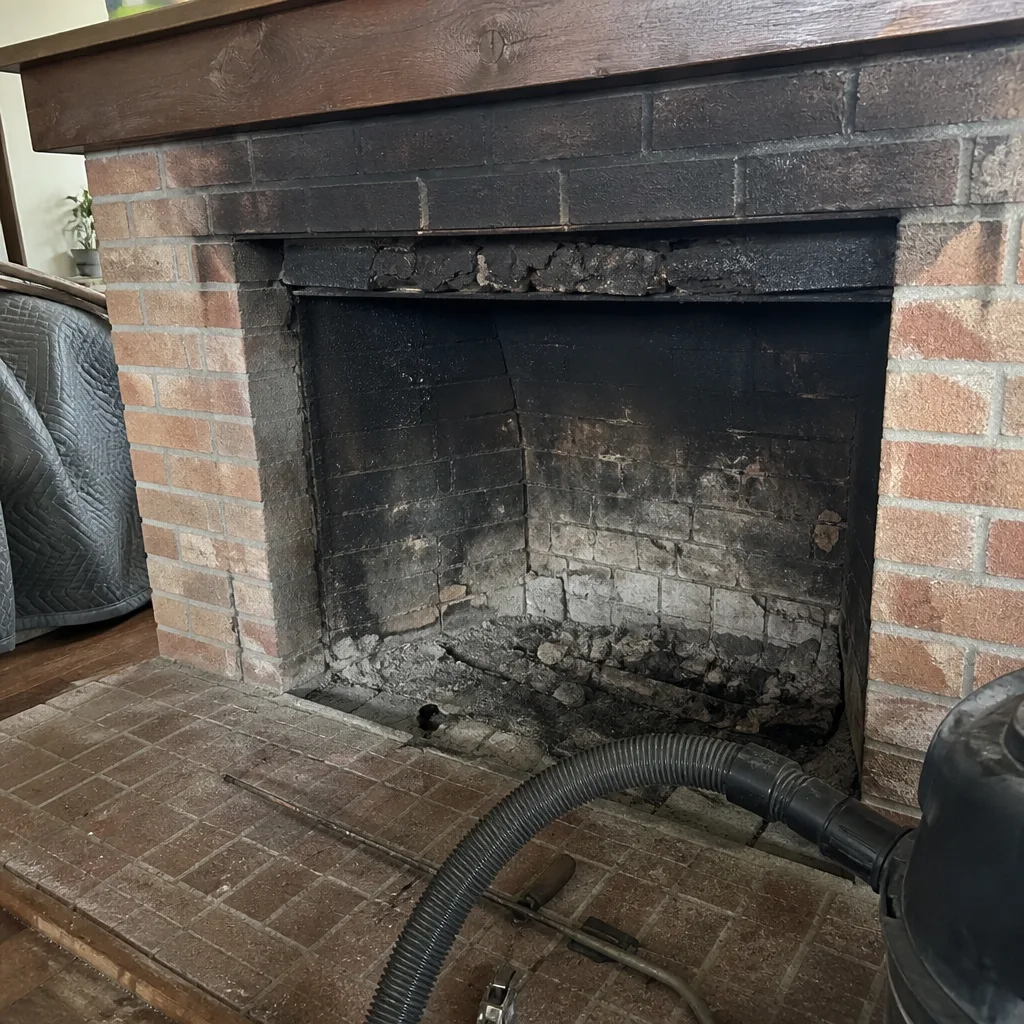 Before
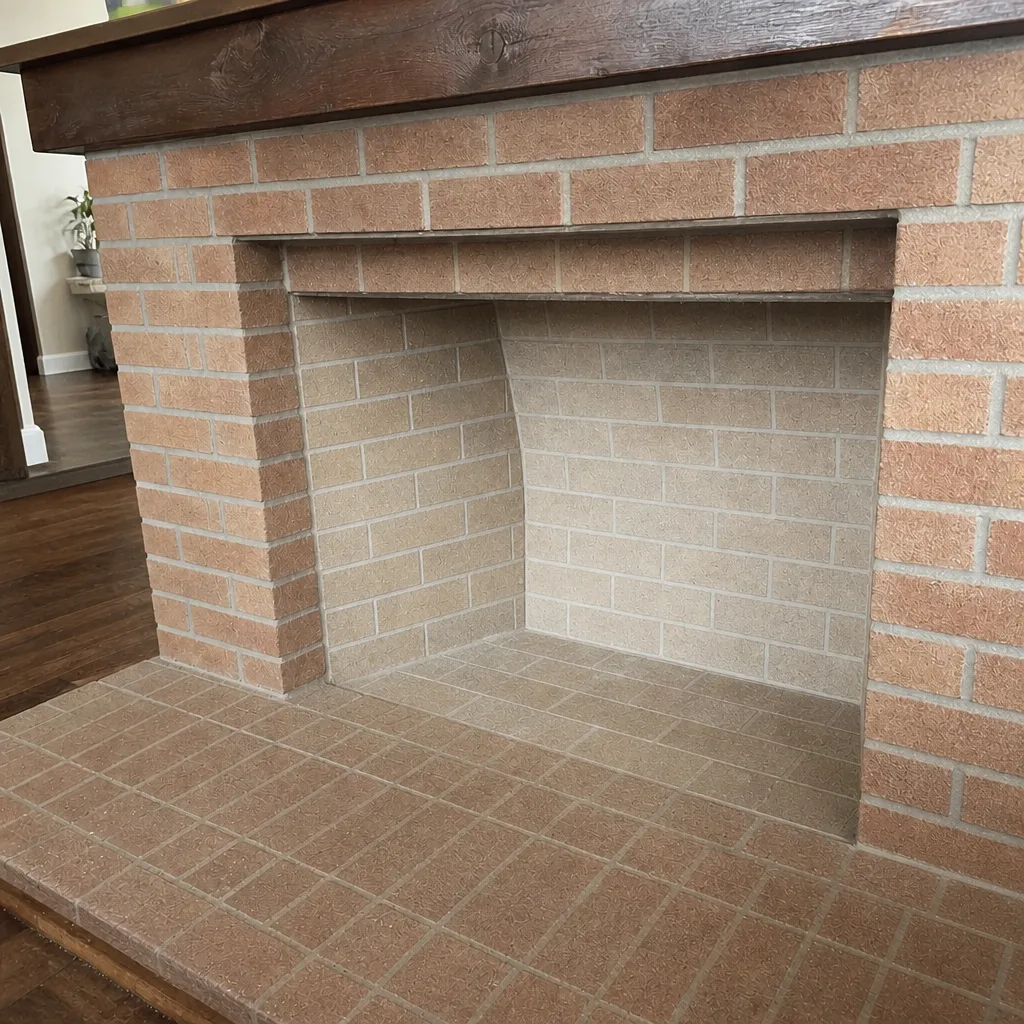 After
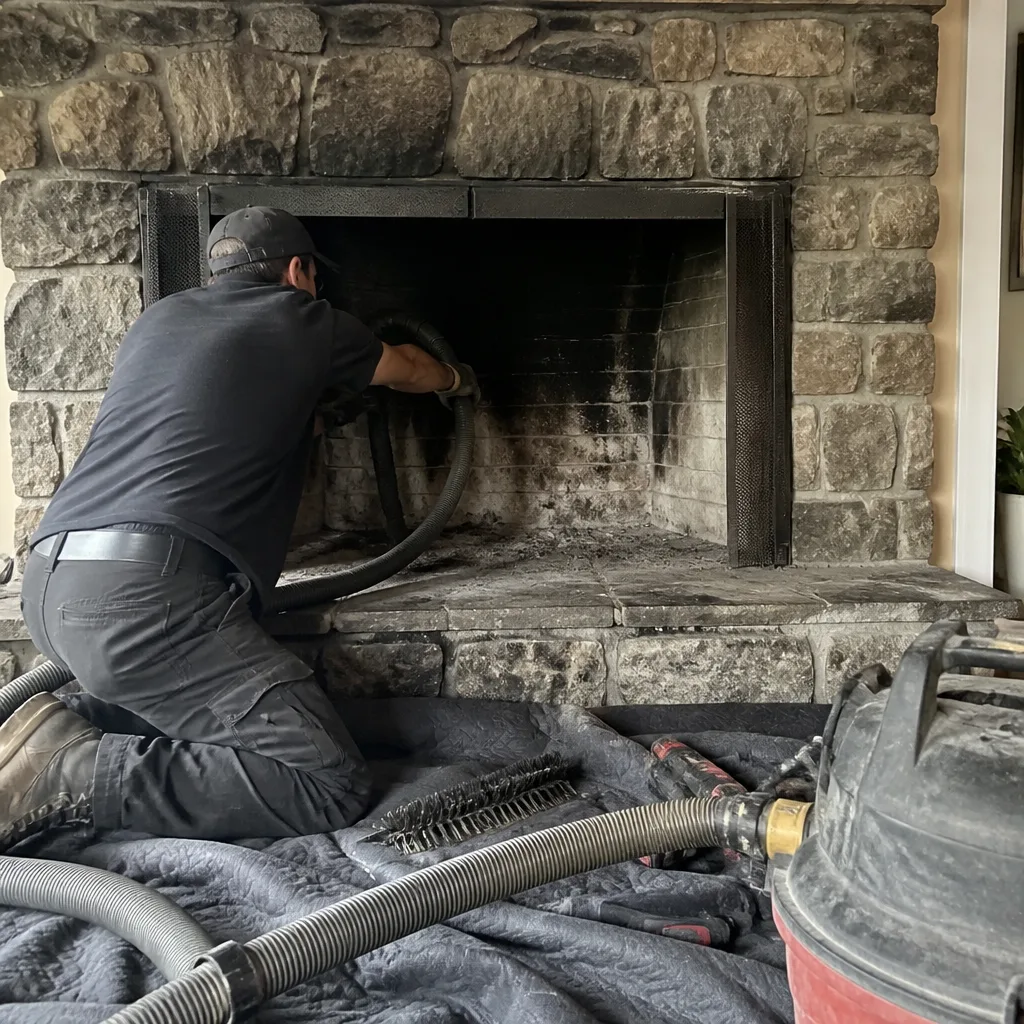 Before
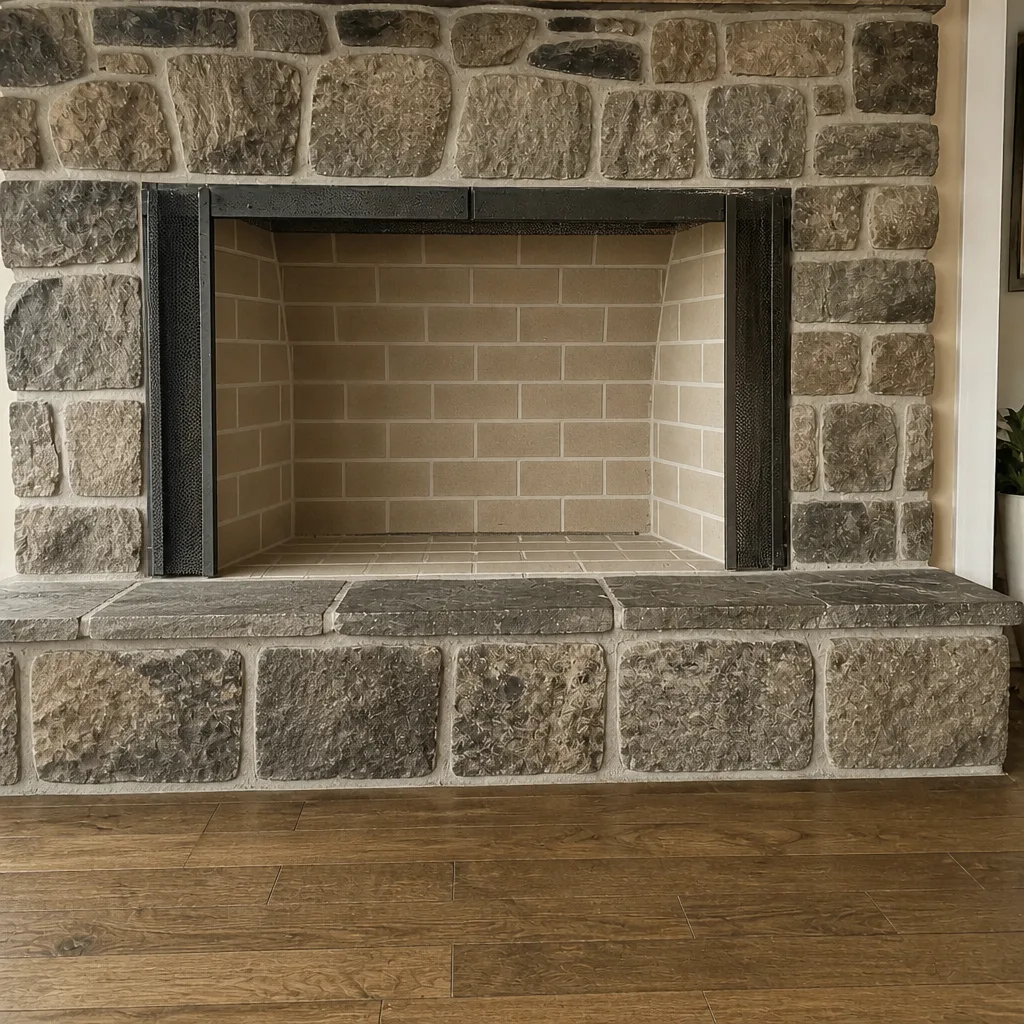 After
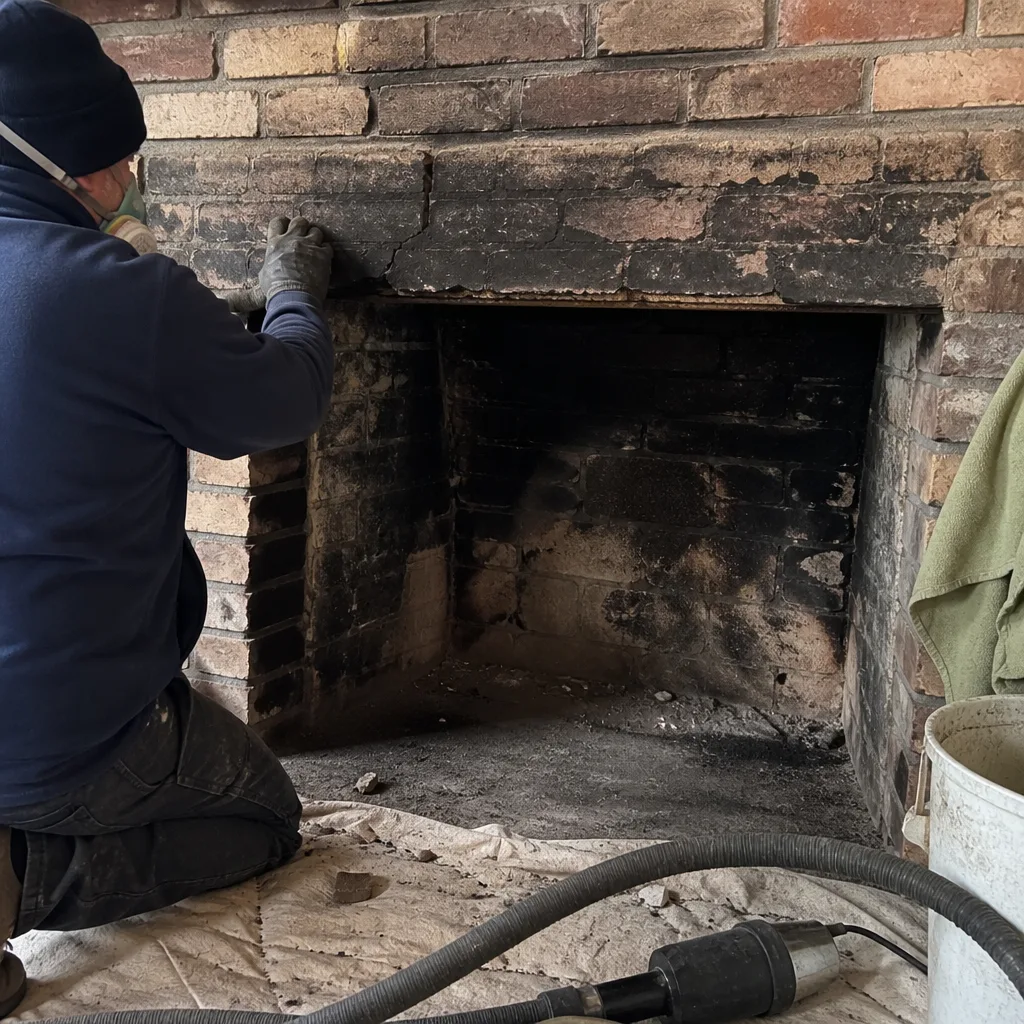 Before
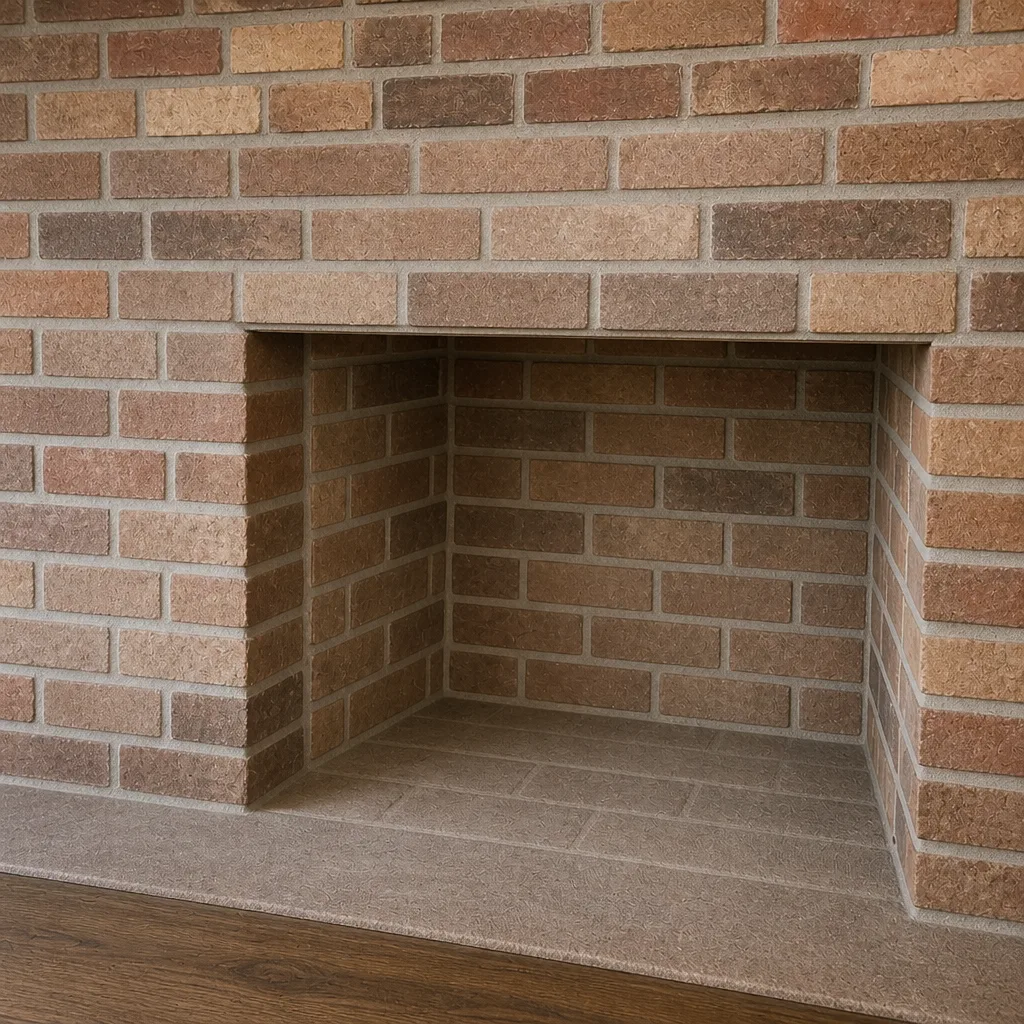 After
When to Call a Professional
Some chimney care is on a schedule, and some is a call-the-professional-now decision. Call if smoke rolls back into the room when the fireplace is lit, if you hear rumbling or popping during a fire, if you smell gas or notice soot around the firebox, or if you see new cracks or staining on the masonry after a storm. Book a professional inspection before the first fire of the season and again if you burned heavily through winter. Never climb onto the roof or reach into the flue yourself: the heights and the interior are for people trained and equipped for them. Chimney Sweep Green Lake offers free estimates in Green Lake. Call (877) 820-8284. We answer 24/7. Fast dispatch from 7am to 7pm, Sunday through Friday.
Frequently Asked Questions
Once a year is the baseline for most homes, but the timing matters as much as the frequency. Book a sweep before the first fire of the season so summer moisture and debris are cleared before you burn, and add a second cleaning in spring if you burned heavily through winter. Homes that burn daily through the cold months benefit most from that spring sweep.
Creosote builds up in the flue and can ignite, which is how most chimney fires start. A blocked or partially blocked flue also sends smoke and carbon monoxide back into the room instead of up and out. Neither risk is visible from the firebox, which is exactly why an inspection matters. Call (877) 820-8284 for an exact quote. Estimates are free.
No, it’s usually the safest for a well-maintained system. A warm flue, established draft, and a clean flue make mid-winter easy on a chimney. The risky moments are the transitions: the first fire after a wet summer, and the spring thaw that reveals winter damage. That’s where seasonal care pays off.
It depends on the condition of the flue interior, and the right answer comes from a camera inspection, not a guess. Some worn flues can be restored with a resurfacing system like HeatShield, while others need a full reline with a product like DuraFlex. We don’t recommend either without camera evidence you can see yourself, and we’ll say when the work can wait.
Rain finds every crack and gap on top of the chimney, and a summer of it is enough to push moisture into the masonry. That’s why the crown and cap matter most in the off-season. Check the crown after major rain events, keep the damper closed, and book any cap or crown repair in the dry months.
You can check a lot from the ground: the firebox for dampness, the exterior for new cracks or staining, and the cap after storms. What you can’t do safely is climb the roof, open the flue, or inspect the interior, and none of that is a do-it-yourself job. Anything that looks off is a reason to call.
The Bottom Line
The seasonal guide boils down to one shift: treat your chimney as a system that needs attention in each season, not a single annual appointment. Fall before the first fire is the highest-risk window, so give it the most care. Mid-winter is the safest stretch for a maintained system, which makes it the season for watching rather than booking. Spring cleaning removes winter deposits and catches freeze-thaw damage early. Summer protects the crown and cap through the wet months so fall is safe. Run that rhythm in Green Lake and you’ll spend far less time worrying about your chimney and far more time enjoying the fire.
Whatever season it is, Chimney Sweep Green Lake is your chimney’s first and last call: inspection, sweep, cap and crown, fireplace repair, and structural chimney repair under one company. We handle what other sweeps refer out. Call (877) 820-8284 for a free estimate. We answer 24/7. Fast dispatch from 7am to 7pm, Sunday through Friday.
Written by the team at Chimney Sweep Green Lake.