
Last updated November 25, 2026
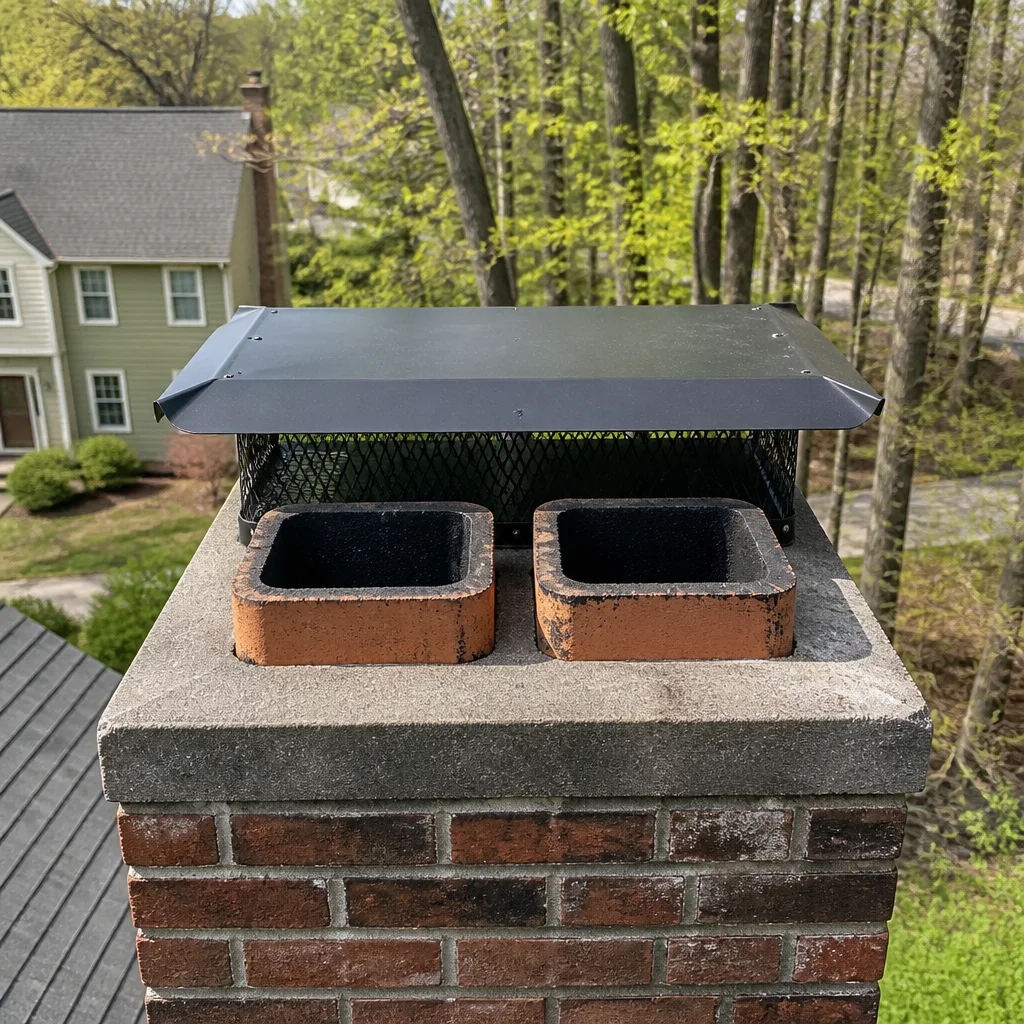 Sweep & inspection
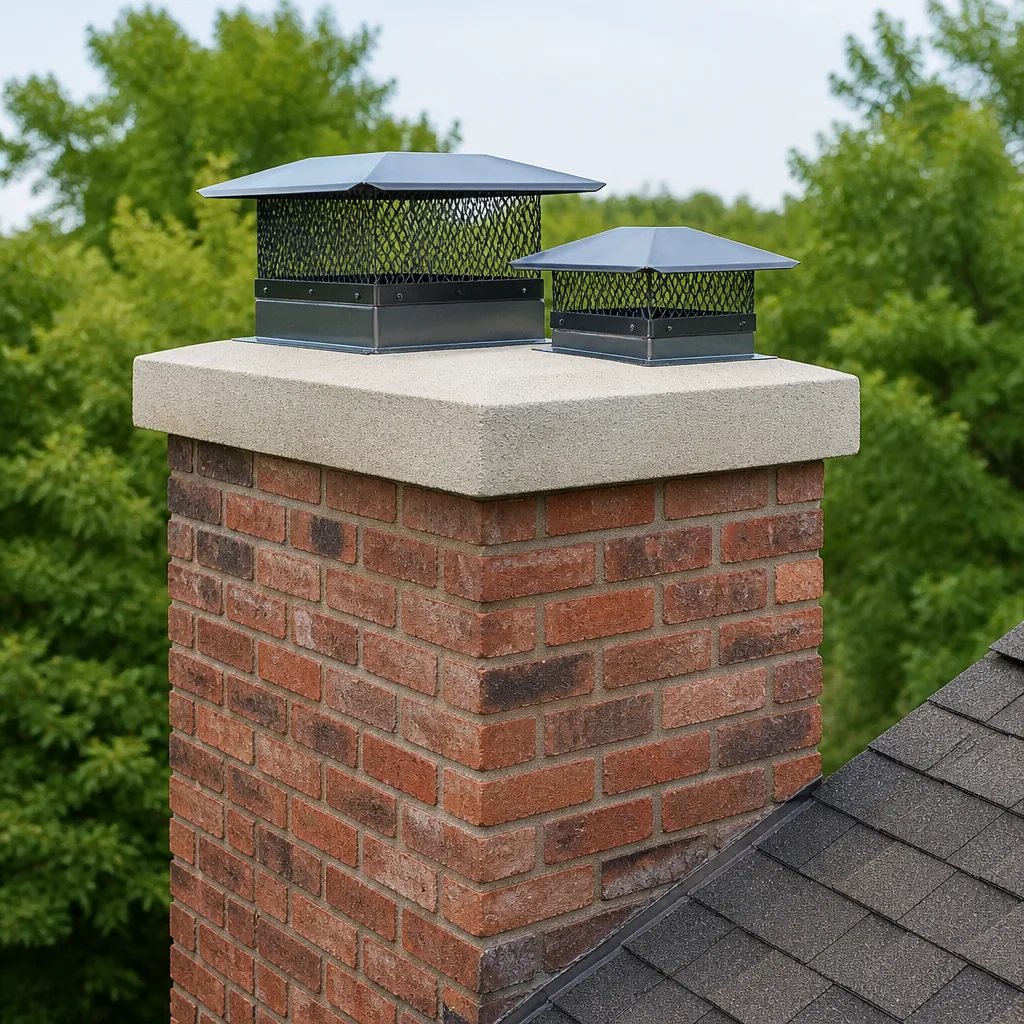 Caps & crowns
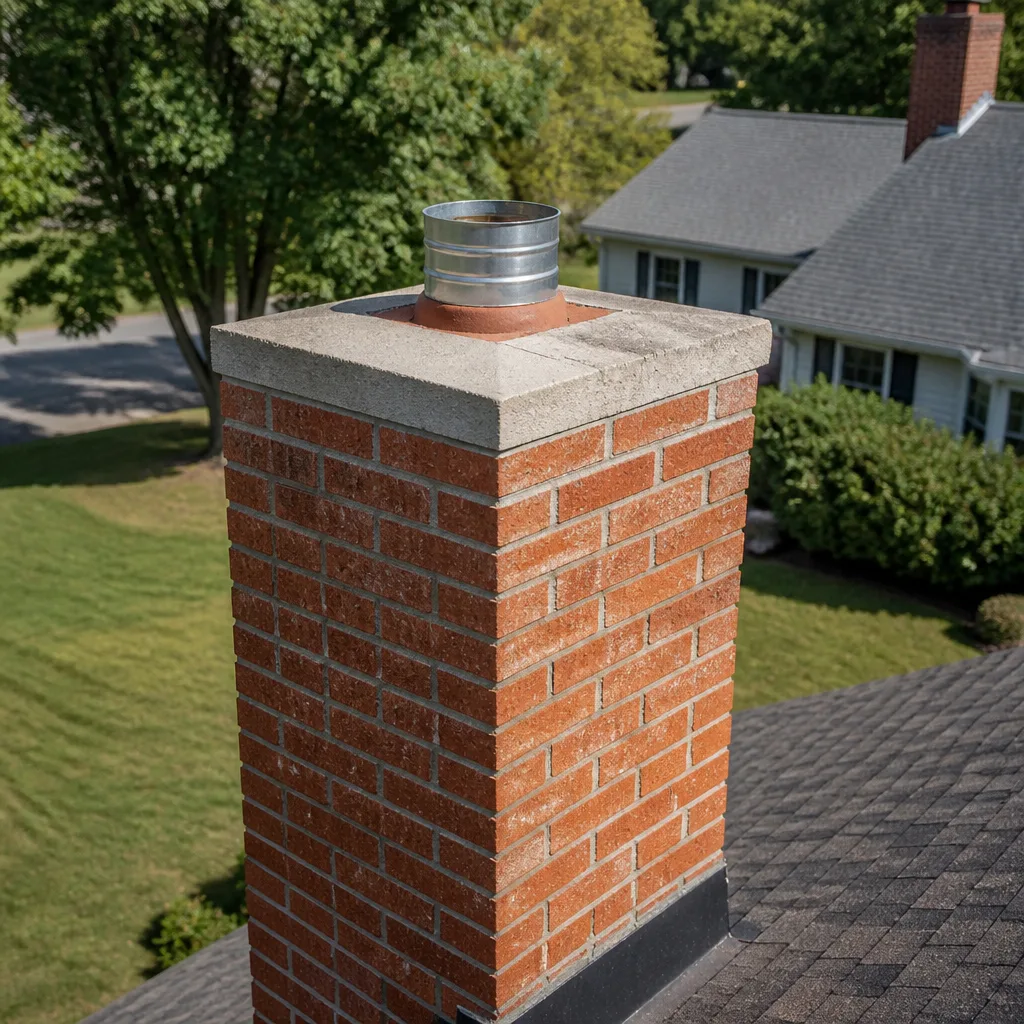 Flue relining
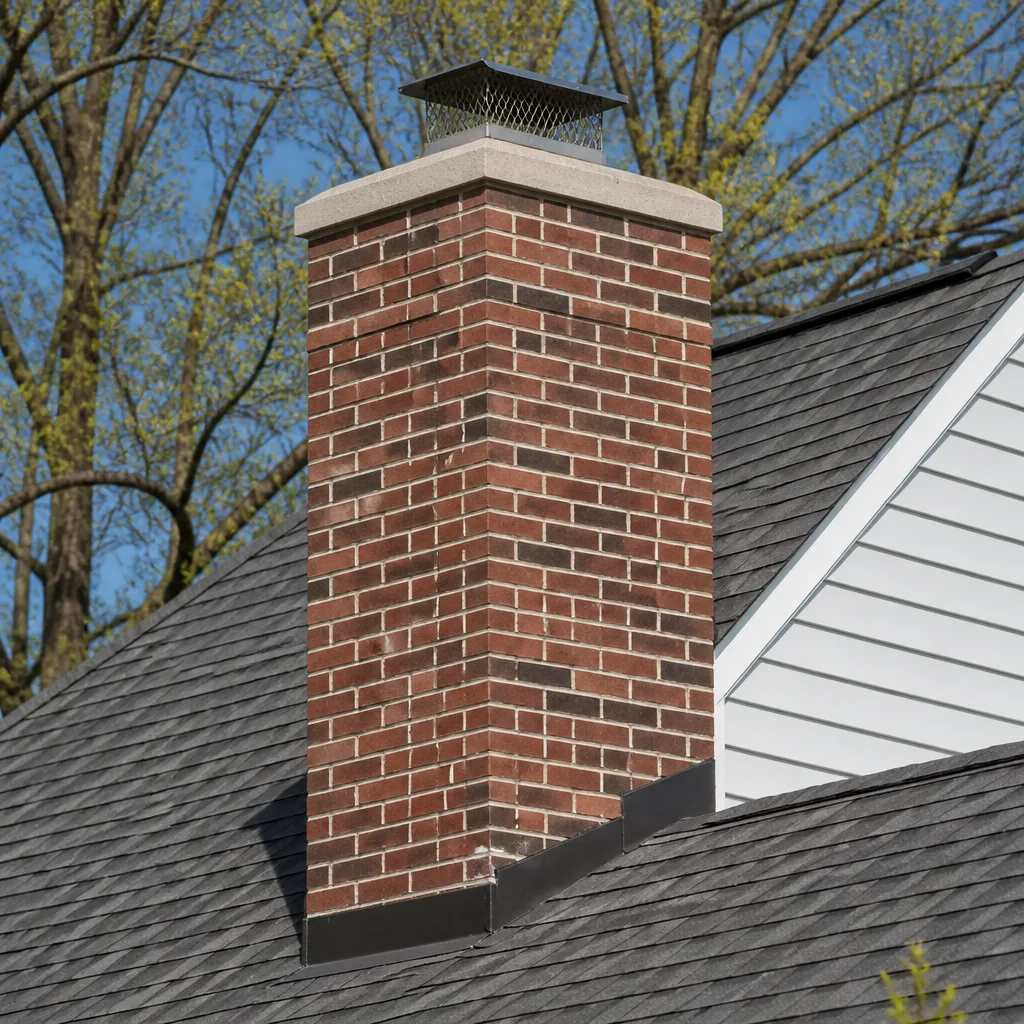 Masonry repair
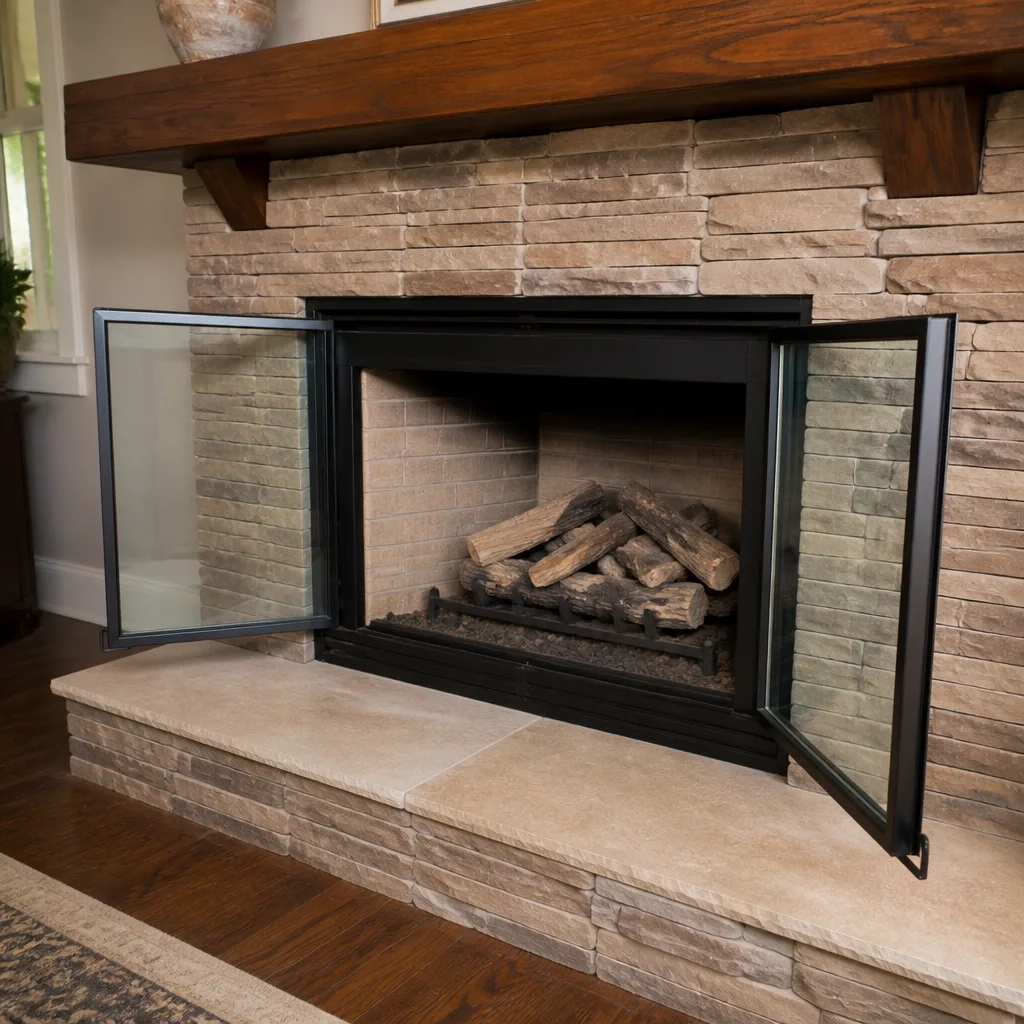 Gas fireplace service
Level 1 sweep and inspection to the NFPA 211 annual standard - flue, crown, cap, and flashing checked and photographed
Chimney sweep logs do not sweep chimneys. They loosen some creosote - which then falls where a brush and vacuum still have to collect it.
DIY vs Professional Chimney Cleaning: The Green Lake Homeowner’s Decision Guide
Chimney brush kits sold at hardware stores are designed to remove loose soot. They are not designed to identify Stage 2 or Stage 3 creosote, liner cracks, or smoke chamber deterioration, and those are the conditions that actually cause chimney fires. That gap between what a brush can reach and what a trained eye can see is the whole debate. Most homeowners who ask about cleaning their own chimney are perfectly capable of the physical work; the risk isn’t the scrubbing, it’s the diagnosis that never happens. This guide lays out exactly which tasks belong in your hands, which don’t, and how to know the difference before you climb onto the roof in Green Lake.
Quick Answer
You can safely handle damper operation, exterior cap checks, and ash removal yourself. You should not brush your own flue if you see glazed or tar-like creosote, any liner irregularity, or if it’s been more than a season since a professional inspection. Professional cleaning in Green Lake pairs the sweep with an inspection, a camera look at the flue interior, and contained vacuum collection, which together catch the conditions a homeowner brush can’t. When in doubt, book the inspection and let the findings decide what work actually needs doing.
Styles & brands we work with
- Sweep & inspection
- Caps & crowns
- Flue relining
- Masonry repair
- Gas fireplace service
Table of Contents
- What DIY Chimney Maintenance You Can Legitimately Handle
- Where DIY Brushing Stops Being Enough
- The Creosote Stages and Why the Difference Matters
- What Professional Vacuum Containment Actually Does
- Using Inspections to Extend Time Between Full Cleanings
- The Insurance and Liability Question Nobody Wants to Ask
- How Green Lake Conditions Shape Your Cleaning Schedule
- When a Sweep Is the Right Call
What DIY Chimney Maintenance You Can Legitimately Handle
There is a real list of chimney tasks a homeowner can own without special tools, and doing them well makes every professional visit cheaper and more focused. We’d rather you keep these in your routine than pay us for them.
The damper is the clearest example. Opening and closing it by hand, listening for a clean metal-on-metal seat, and confirming it stays fully open during a burn requires no training. If the damper sticks, warps, or won’t seal, that’s a repair, not a cleaning issue, and it’s one of the fireplace repair items we handle alongside everything else.
Exterior cap checks are also within reach. From the ground with binoculars, or from a stable ladder at the roofline if you’re comfortable there, you can confirm the cap is still seated, the screen mesh isn’t torn, and no branch or bird nest is blocking the opening. What you should not do is climb onto a wet or pitched roof to inspect it closely. A chimney cap & crown problem spotted from the ground is worth a call; a fall from the roof is not worth the savings.
Ash removal is straightforward. Once the firebox is fully cold, scoop ash into a metal container with a lid and store it outside, away from anything combustible. Never vacuum warm ash into a household vacuum.
- Safe for homeowners: damper operation, ground-level cap inspection, cold ash removal, keeping the firebox clear of debris, checking for obvious nesting in spring.
- Not safe without training and tools: brushing the flue, inspecting the smoke chamber, assessing creosote stage, evaluating liner condition.
Those four homeowner tasks are real maintenance. They are not a substitute for a sweep, and they don’t replace an inspection. But they do make the intervals between professional service longer and the findings easier to interpret.
Where DIY Brushing Stops Being Enough
A hardware-store brush kit removes loose, powdery soot from straight flue sections. It does not remove glazed creosote, and it cannot see what’s happening behind the liner. Those are the two conditions that turn a routine cleaning into a safety conversation.
Glazed creosote is the first stopping point. When creosote reaches Stage 3, it hardens into a shiny, tar-like coating bonded to the flue wall. A nylon or poly brush slides over it. A homeowner with a brush and no chemical treatment or rotary tool will work for an hour and leave the dangerous layer exactly where it was. Removing it requires professional methods, and sometimes it requires resurfacing the flue interior with a system like HeatShield before it’s safe to burn again.
Liner irregularities are the second. A cracked, spalled, or offset clay tile liner can look fine from the firebox and from the top. It takes a camera run through the flue to see the joint that’s separated or the tile that’s failed. Brushing over a damaged liner can actually widen a crack. This is where our DuraFlex liner work comes in: when the flue structure is compromised, cleaning alone doesn’t fix it, and relining does.
Post-storm debris checks are the third. Green Lake gets wind and rain that push debris, nest material, and sometimes caps themselves out of position. A homeowner can spot a missing cap from the ground, but confirming the flue is clear of what blew in during the storm usually needs a professional look before the next fire.
If any of those three conditions is present, DIY brushing isn’t insufficient, it’s irrelevant. The job has moved past cleaning.
The Creosote Stages and Why the Difference Matters
Creosote forms in three recognizable stages, and only the first is something a homeowner brush can meaningfully address. Knowing the stages helps you understand what an inspector is looking at when they run a camera down your flue.
- Stage 1: Soot and flaky creosote. A thin, dusty, or flaky deposit. This is what a standard brush removes. It’s the least dangerous stage and the one most easily managed with regular cleaning.
- Stage 2: Crusty, hardened creosote. A thicker, brittle layer that clings to the flue wall. A brush can knock some of it loose but won’t clear it thoroughly. This stage signals that the fire isn’t burning hot enough or the wood is too green.
- Stage 3: Glazed, tar-like creosote. A shiny, hardened coating bonded to the flue. It’s highly combustible, and it’s the condition most often associated with chimney fires. A brush cannot remove it. Professional treatment and often flue resurfacing is the fix.
The transition from Stage 1 to Stage 2 is the moment a homeowner loses diagnostic control. You can see Stage 1 with a flashlight and a mirror. You cannot reliably judge Stage 2 from the firebox, and you cannot see Stage 3 at all without a camera and the training to read what it shows. That’s why “I cleaned it last year” and “it was cleaned last year” are not the same statement.
In Green Lake, where many homes burn hardwood through a wet fall and a cold winter, the creosote that builds up tends to be heavier than in drier climates. The moisture content of the wood and the burn temperature drive the stage, and cold, damp air slows the draft that keeps the fire hot. That’s a climate fact, not a scare tactic. It’s simply why the inspection matters here as much as the cleaning does.
What Professional Vacuum Containment Actually Does
Professional chimney cleaning uses high-efficiency vacuum containment with the hose sealed at the firebox, so soot and dust are captured at the source rather than drifting into the room. Homeowners who brush their own flue without that equipment usually find out what it means for air quality about ten minutes in.
The reality of a brush-down without containment is a fine, dark dust that settles on every horizontal surface in the room, in the curtains, and in the carpet fibers. It smells. It’s hard to remove completely. And the fine particulate is the part you can’t see, which is the part that matters for indoor air quality, especially in a home with children, older adults, or anyone with respiratory sensitivity.
Containment is also a diagnostic opportunity. When a professional sweeps with the vacuum running and a camera in the flue, the operator is watching what comes down: how much soot, what stage of creosote, whether any liner material or crumbling mortar shows up in the collection. That’s information a homeowner with a brush and a shop vac never gets.
This is one reason we don’t treat cleaning as a stand-alone errand. Proper cleaning and proper inspection happen in the same visit, with the same equipment, so the findings and the work line up. Our technicians have up to 9 years of experience with that equipment, and they use it on every chimney sweep we book.
Using Inspections to Extend Time Between Full Cleanings
Regular professional inspections are the most reliable way to stretch the interval between full cleanings without guessing. If you know your flue’s condition at every visit, you can decide whether this year needs a sweep or just a check, and you can document that decision.
Here’s the pattern that works in Green Lake:
- Annual inspection, every year. A camera inspection of the flue and smoke chamber, plus a visual check of the cap, crown, and firebox. This is the baseline. It’s the visit that tells you whether you need more.
- Sweep only when the inspection calls for it. If you burn a cord or two a year and the flue looks clean at inspection, a sweep on an every-other-year cadence can be appropriate. If you burn steadily through the season or the wood is on the wet side, the inspection will tell you a sweep is due now.
- Keep the record. Note the date, what was found, and what was done. That record is what makes a longer interval defensible if anything ever comes up.
The reason the record matters is that it converts “I think it’s fine” into “here’s what the last inspection found, and here’s the date.” That’s the difference between a homeowner who knows the flue condition and one who hopes. When the inspection finds an issue, that’s also when we can talk about what the Chimney Sweep Green Lake service line actually covers, from a sweep to a full reline.
Intervals are not a number you memorize. They’re a decision made at each inspection, based on burn volume, wood quality, and what the camera shows. The annual inspection is the constant; the sweep frequency flexes around it.
The Insurance and Liability Question Nobody Wants to Ask
If a chimney fire happens in a flue you cleaned yourself without a professional inspection, your insurance claim can become more complicated than it would if you had a documented inspection on record. We’re not insurance adjusters, so we can’t tell you how a specific claim will be handled, but the pattern is worth understanding before you decide to skip the professional visit.
The core issue is documentation. An inspection report establishes the condition of the chimney at a point in time, and a cleaning record shows the work that was done. If a fire occurs later, that history is evidence that the homeowner acted responsibly. Without it, an insurer may ask when the chimney was last serviced and whether the condition was known. A homeowner who brushed their own flue and never had it inspected has no professional record to point to.
The other side of the question is liability if someone else is affected. A chimney fire that spreads to a neighbor’s property or injures a guest raises the stakes well beyond the cost of a cleaning. That’s not a scare line, it’s how property claims work. The inspection record is the thing that puts a homeowner on the right side of that conversation.
What you can do with that information is simple: book the inspection, keep the report, and let the findings guide the cleaning. If the report says the flue is clean and in good condition, you have a defensible record and the freedom to go longer before the next full sweep. If it says the flue needs work, you know before the fire season, not after a claim is filed. Documentation is the cheapest insurance-adjacent step available.
How Green Lake Conditions Shape Your Cleaning Schedule
Green Lake’s burn season runs through cool, damp months, and that shapes how quickly creosote builds up and how important the fall inspection becomes. Homes here tend to burn through the wetter part of the year, and wetter wood and lower draft efficiency both push creosote toward the higher stages faster than a dry-climate burn would.
The practical implications:
- Burn seasoned wood. The moisture content of what you burn is the single biggest driver of creosote stage. Dry, seasoned wood burns hot and leaves less behind.
- Book the inspection before the burn season, not during it. A flue checked in early fall gives you the whole season to burn with confidence. A flue checked in January catches problems after they’ve had a chance to develop.
- Watch the cap after storm season. Wind and rain can displace caps and drive debris into the flue. A ground-level check after a storm is a reasonable homeowner task, and a call is reasonable if something looks off.
- Treat a gas appliance differently. A gas fireplace doesn’t produce creosote, but it still needs inspection for venting and carbon monoxide risk. The schedule is different; the annual check isn’t.
The annual inspection is the constant here. The sweep frequency is what flexes around Green Lake’s burn season, wood quality, and what the camera finds. If you’re new to a Green Lake home, the first thing to do is book the inspection so you know what you’re working with before the first cold snap.
When a Sweep Is the Right Call
There are specific signals that a professional sweep is the right move, regardless of how confident you are with a brush. Glazed creosote visible in the firebox or at the flue opening. A liner that looks cracked or offset from the top. Creosote that’s built up more than a quarter inch on the flue wall. A fire that smoked back into the room or burned poorly. Post-storm debris you can’t confirm is clear. Any of these moves the job past DIY.
And there’s a quieter signal: it’s been more than a year since anyone looked inside the flue. That alone is enough reason to book, because the whole point of the inspection is to see what a brush and a flashlight can’t.
Chimney Sweep Green Lake offers free estimates in Green Lake. Call (877) 820-8284. We answer 24/7. Fast dispatch from 7am to 7pm, Sunday through Friday.
Common Mistakes to Avoid
- Assuming a brush kit is a cleaning. It removes Stage 1 soot and skips everything that actually causes fires. A brush and a shop vac don’t replace a camera and an inspection.
- Cleaning the flue after the burn season only. The inspection should happen before the burn season, so you know the flue is ready. Fall is when problems get found early enough to fix without rush.
- Using a shop vac on soot without containment. Standard vacuums exhaust fine particulate back into the room. Professional containment captures it at the firebox, which is the whole point.
- Ignoring a cap that’s been off since the last storm. A missing or displaced cap lets water, debris, and animals into the flue. A ground-level check after a storm catches it; a call fixes it.
- Skipping the inspection in the years you don’t sweep. The inspection is the anchor, not the sweep. Skipping it is how a flue condition goes unnoticed for two or three seasons.
- Burning wet wood to stretch the supply. Green wood and low burn temperatures push creosote toward the higher stages faster than any other single factor. It’s the most common cause of heavy buildup in Green Lake homes.
- Not keeping the inspection record. The report is the documentation that makes the interval defensible and gives an insurer a clear picture if anything happens. Keep it.
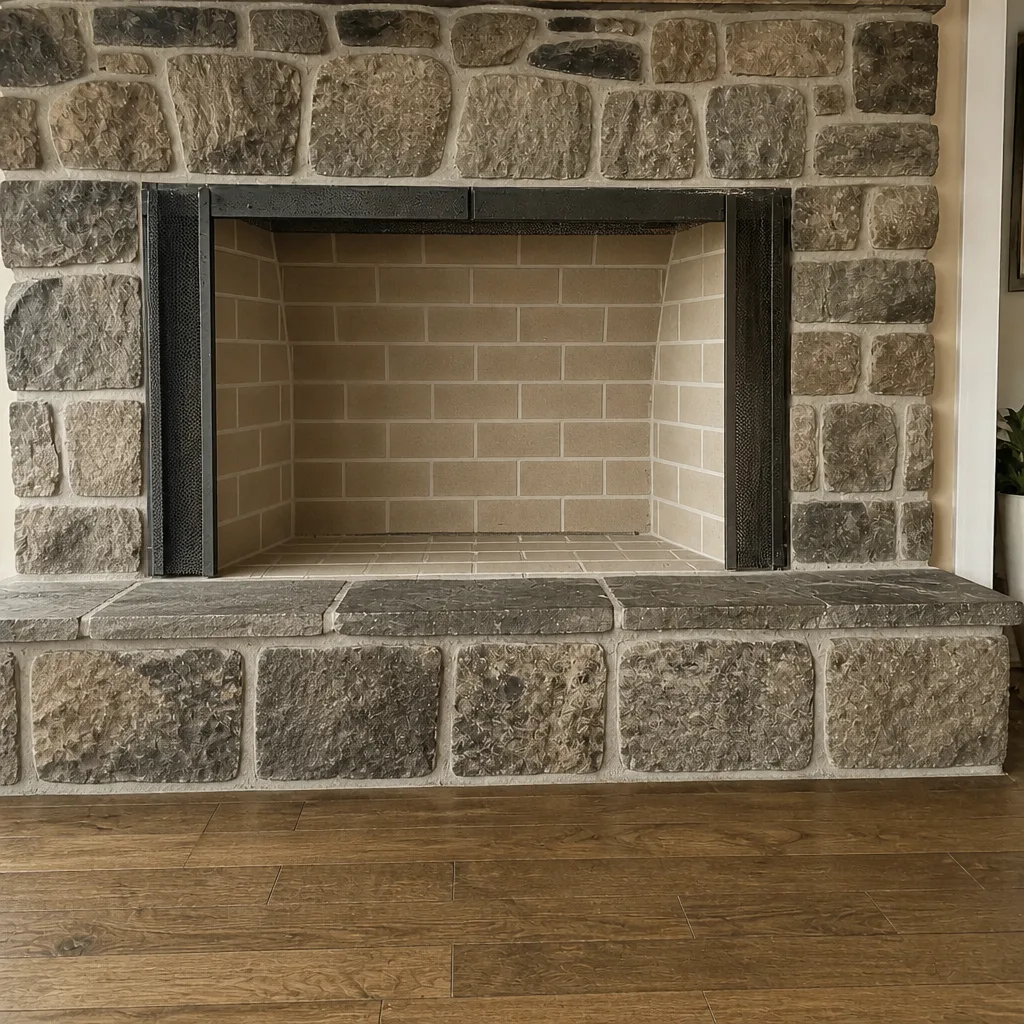
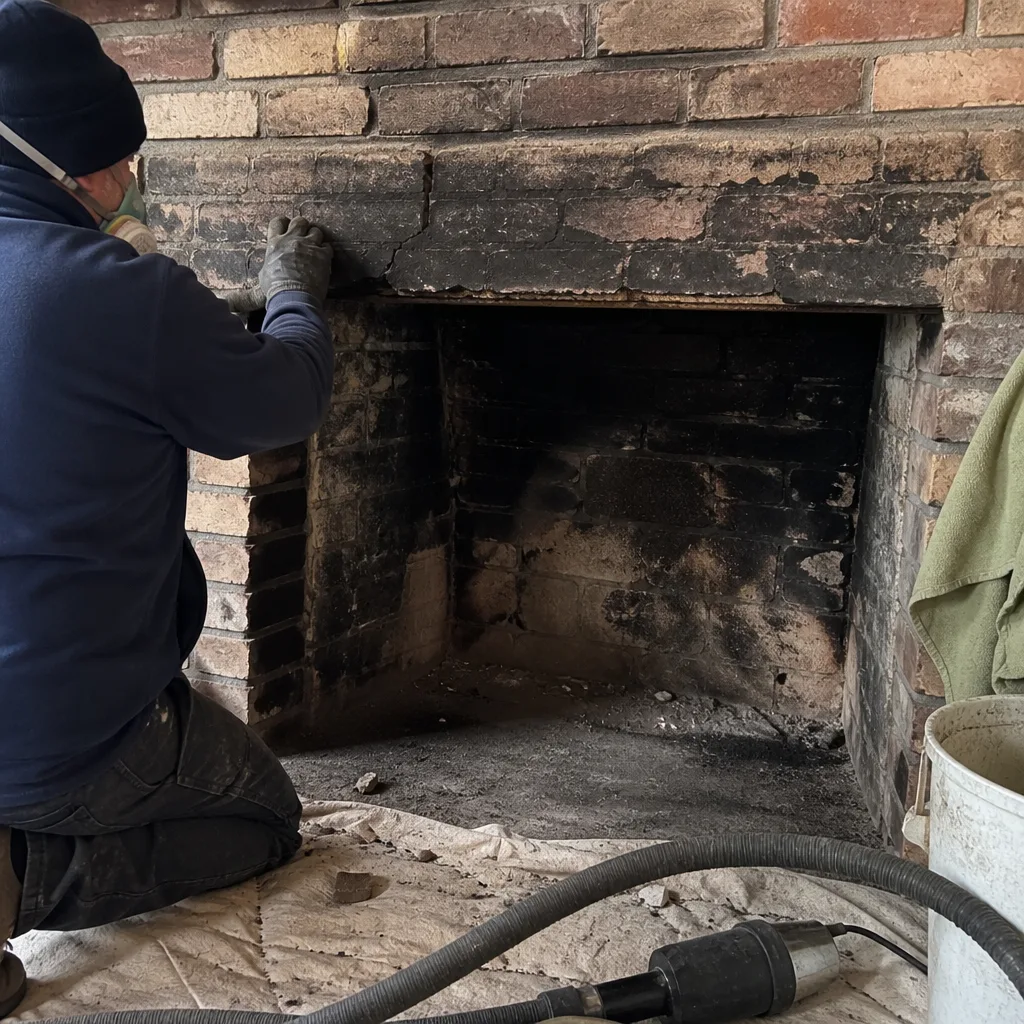
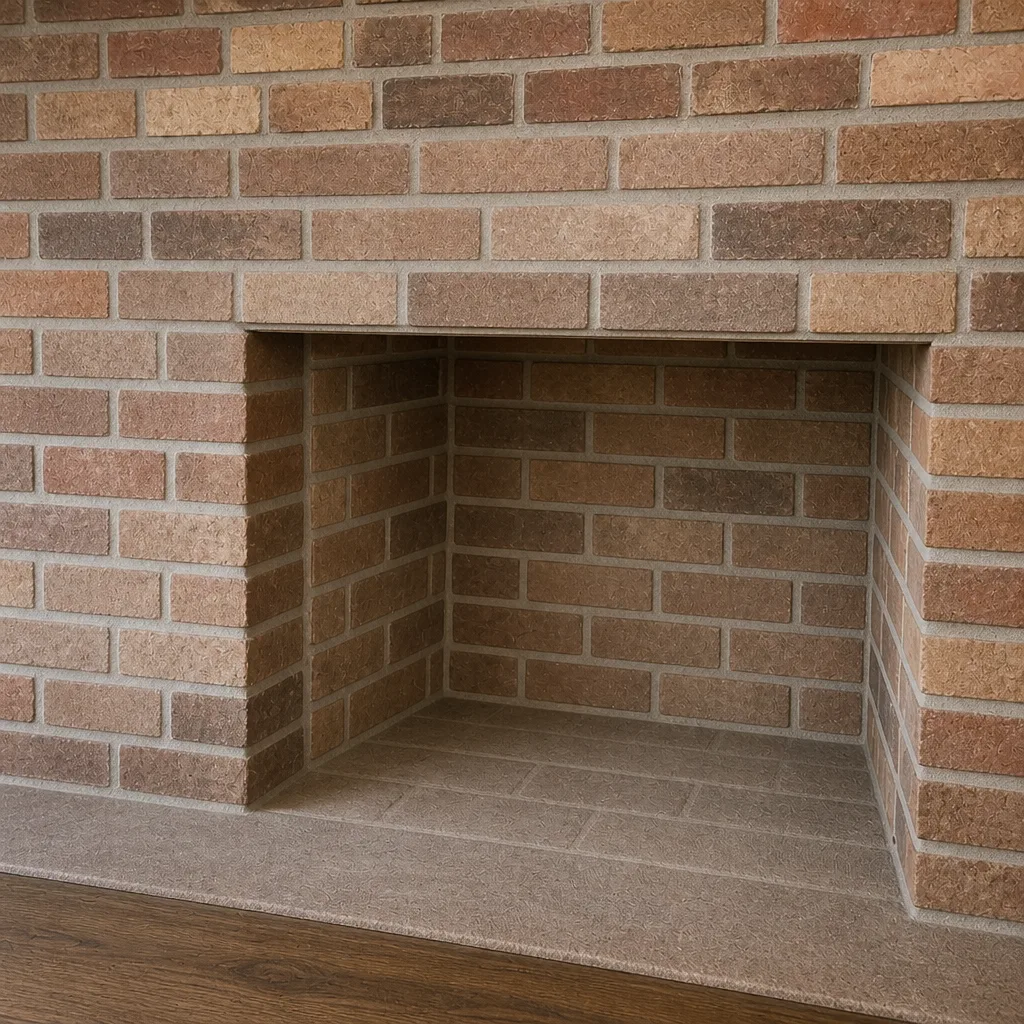
See the difference
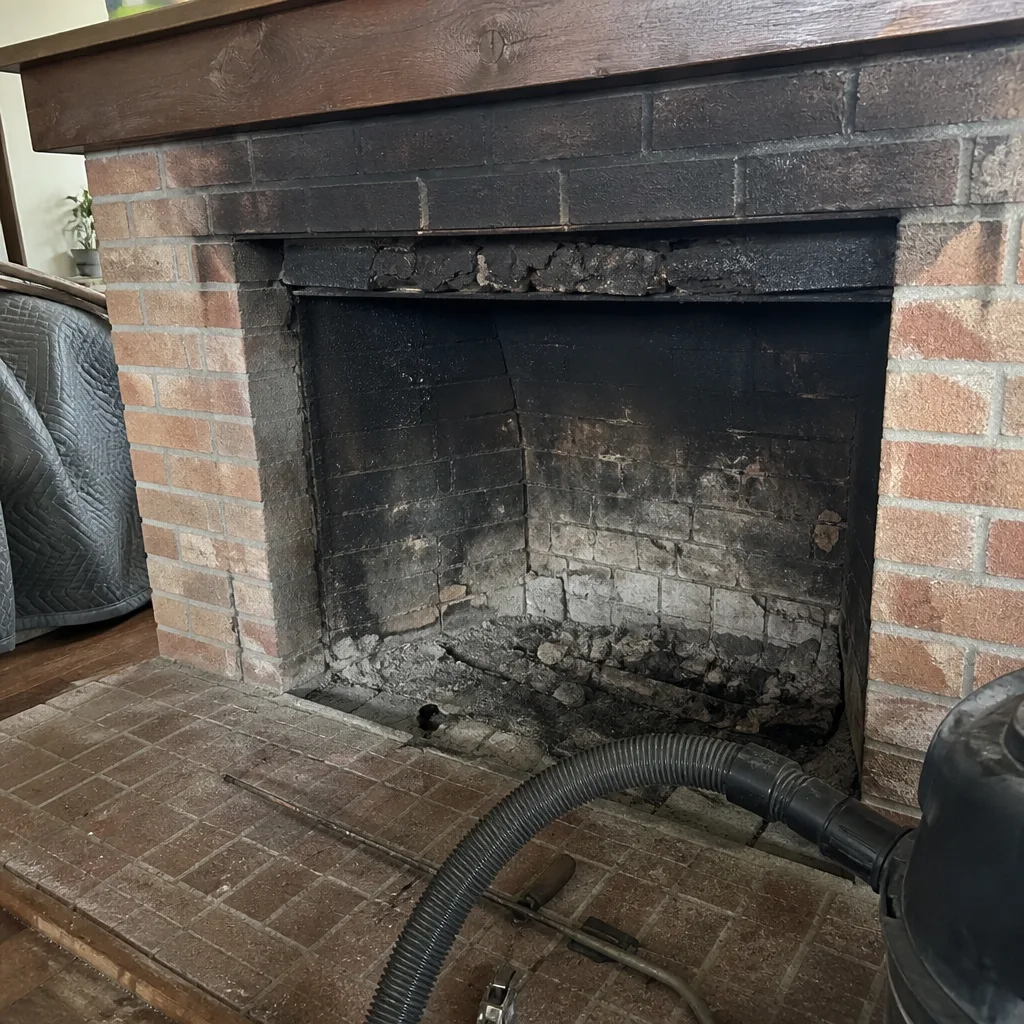 Before
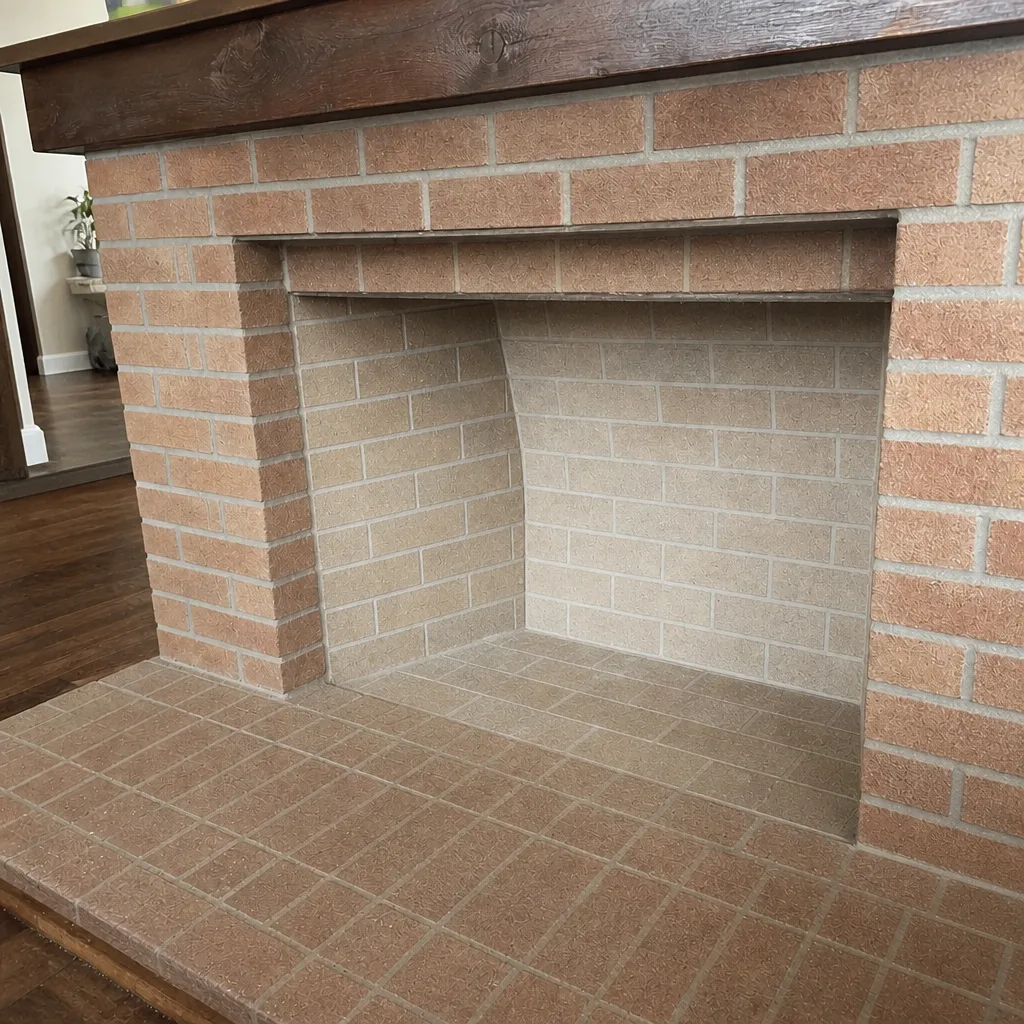 After
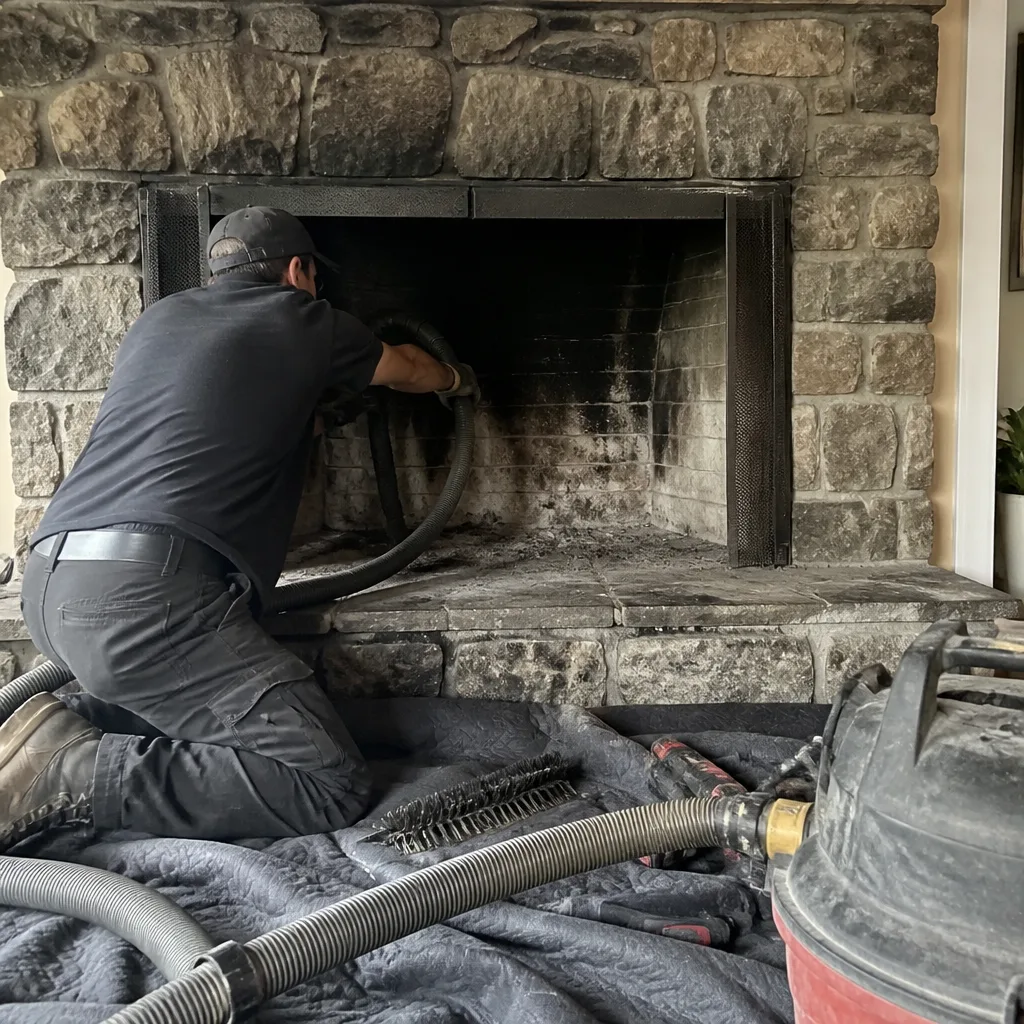 Before
 After
 Before
 After
When to Call a Professional
Call when you see glazed creosote, when the liner looks cracked or offset, when it’s been more than a year since a professional looked inside the flue, or when the fire has been burning poorly or smoking back. Call after a storm if the cap looks displaced. Call if you’re new to a Green Lake home and don’t know when the chimney was last serviced. Call if you’re weighing a DIY cleaning against a professional one and want a straight answer based on your actual flue, not a general rule.
The inspection is where the real information lives, and it’s reasonably priced for what it protects. From there, the findings decide what’s needed, from a routine sweep to a liner repair or a resurfacing job.
Chimney Sweep Green Lake provides sweeping, inspection, repair, and cap and crown work. Call (877) 820-8284. We answer 24/7. Fast dispatch from 7am to 7pm, Sunday through Friday.
Frequently Asked Questions
You can clean the loose, powdery soot in a straight flue section with a homeowner brush kit, but you cannot reliably identify or remove glazed creosote, assess liner condition, or check the smoke chamber. Those are the conditions most associated with chimney fires, so the honest answer is that DIY covers part of the job and not the dangerous part.
Once a year, ideally before the burn season starts. The annual inspection is what catches the conditions a brush and a flashlight can’t see, and it’s the visit that tells you whether a full sweep is needed this year or can wait.
It pairs the cleaning with a camera inspection and uses high-efficiency vacuum containment sealed at the firebox. The sweep removes what the brush leaves behind, and the inspection finds the liner cracks and creosote stages a homeowner can’t see. The two together are the point.
Yes, and that’s the most important visit to book. A self-cleaned flue has no documented condition record, and the inspection is what gives you one. It’s the difference between knowing the flue is safe and hoping it is.
Pricing depends on the flue condition, the height and condition of the chimney, and whether the visit includes a sweep, an inspection, or repair findings. The estimate is free, and the written estimate sets the final price. Call (877) 820-8284 for an exact quote.
The loose soot comes down, but glazed creosote, liner damage, and smoke chamber deterioration go unnoticed. Those are the conditions that lead to chimney fires and carbon monoxide events, and they’re exactly what the inspection exists to find. Missing a year is not catastrophic; skipping them repeatedly is when the risk builds.
It can. An inspection report and a cleaning record document the condition of the chimney at a point in time, which is what an insurer will look for if a fire claim is filed. Without that record, the conversation is harder. We can’t speak to a specific policy, but the documentation is worth having.
Yes. The inspection is where repair findings come from, and it’s the right time to ask about fixes. That’s how single-company accountability works: the same specialist who inspects can also handle the sweep, cap and crown, and any flue restoration the inspection calls for.
The Bottom Line
The DIY vs professional question isn’t about whether you’re capable of scrubbing a flue. It’s about what you can see. A homeowner with a brush kit can handle damper checks, cap inspections, and ash removal, and those tasks are worth keeping in your routine. But the conditions that actually cause chimney fires live in the parts a brush can’t reach and a flashlight can’t illuminate, and that’s where the professional inspection earns its place. Keep the annual inspection, sweep only when the findings call for it, and keep the record. That combination is safer, smarter, and more economical than either DIY alone or a standing calendar full of unnecessary cleanings. If you’re in Green Lake and you’re not sure which side of the line your flue falls on, book the inspection and let the camera answer the question.
Call (877) 820-8284. We answer 24/7. Fast dispatch from 7am to 7pm, Sunday through Friday. Estimates are free, and the written estimate sets the price.
Written by the team at Chimney Sweep Green Lake.