
Last updated November 25, 2026
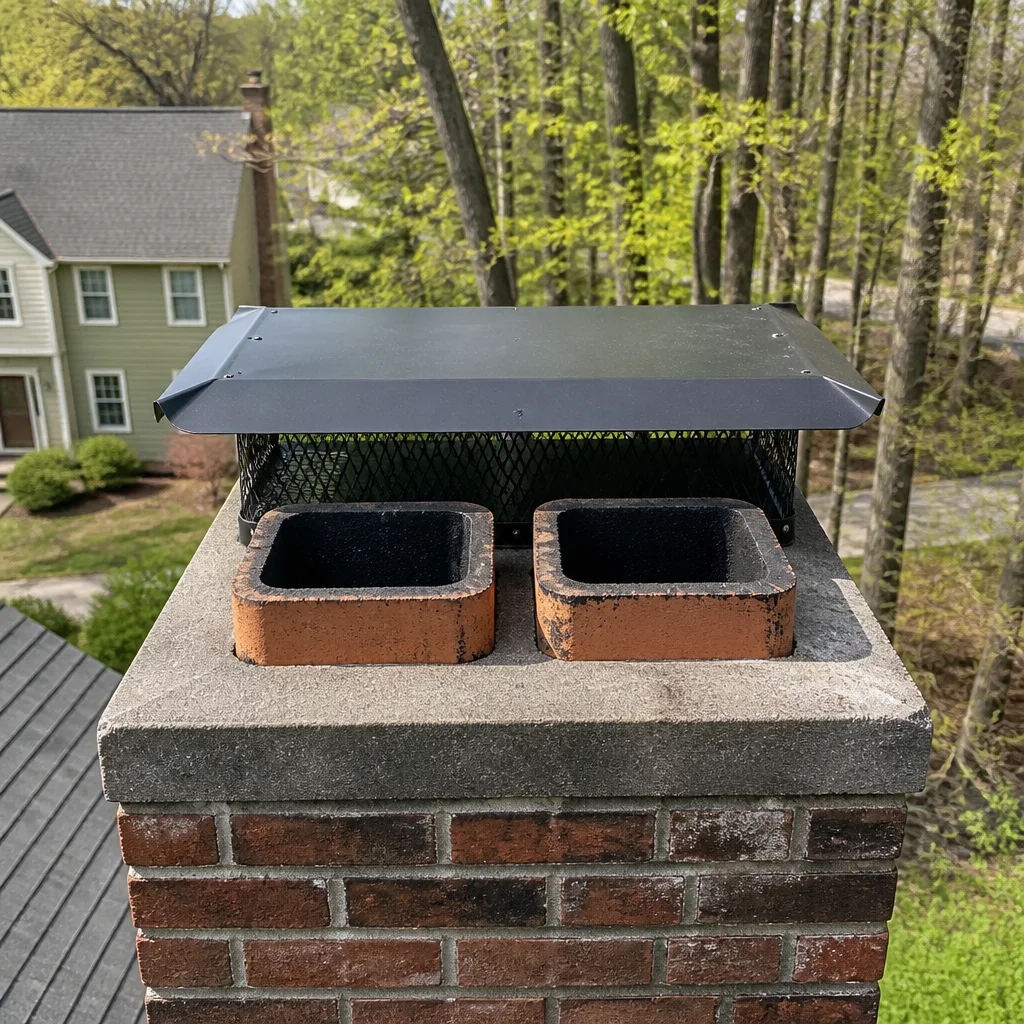 Sweep & inspection
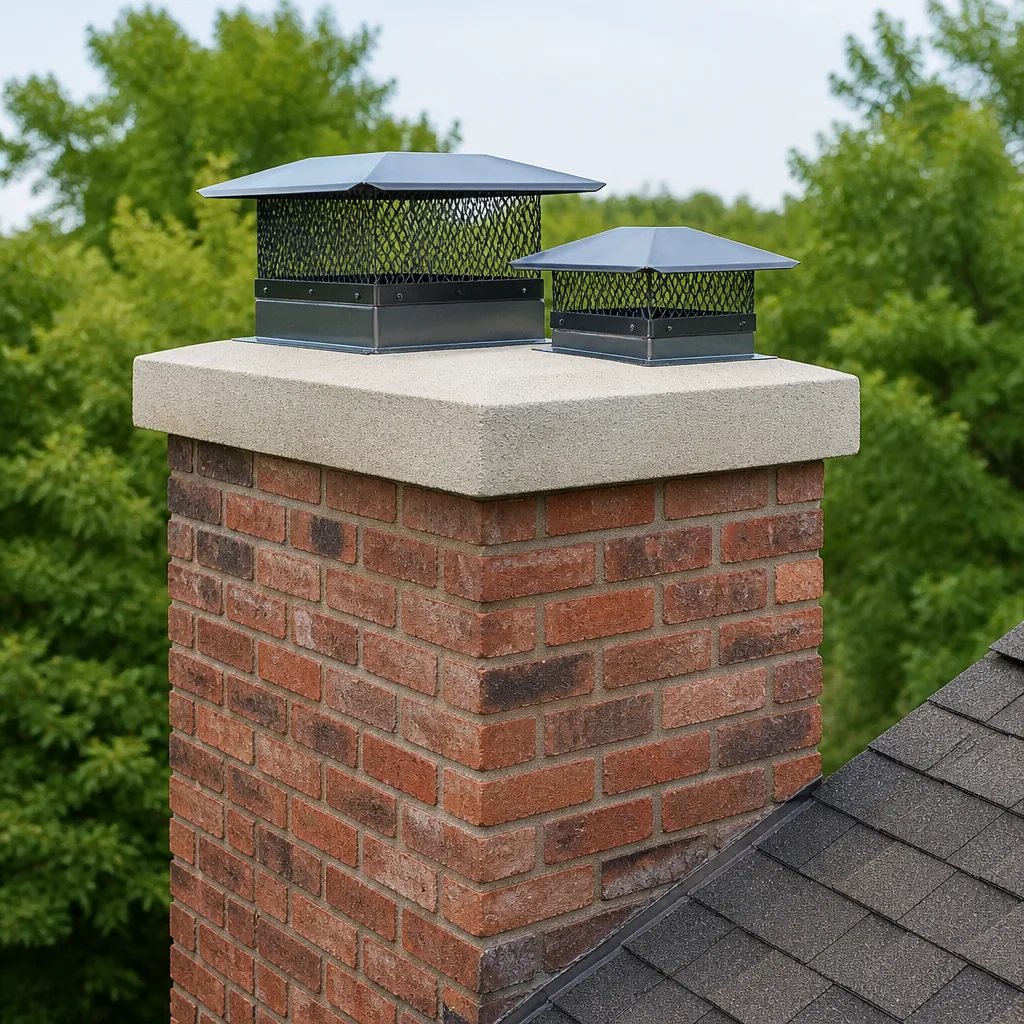 Caps & crowns
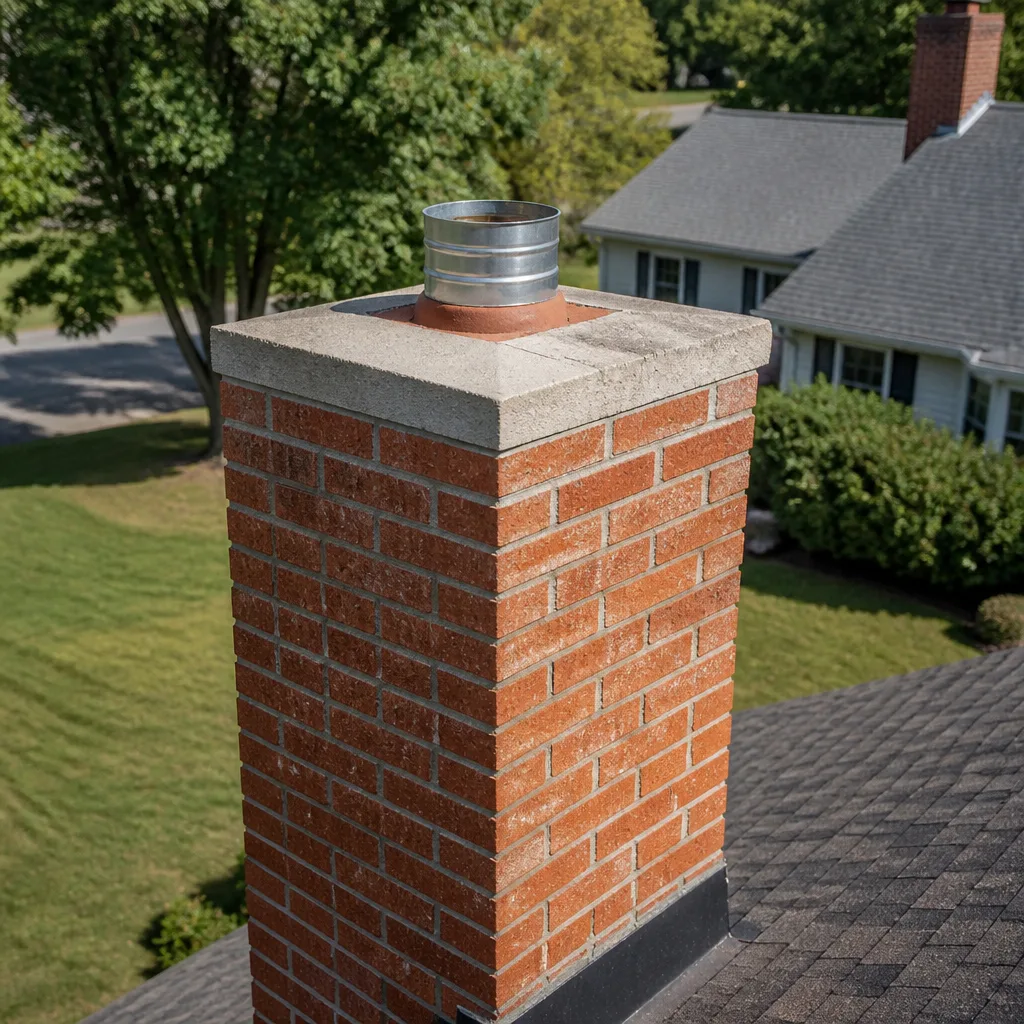 Flue relining
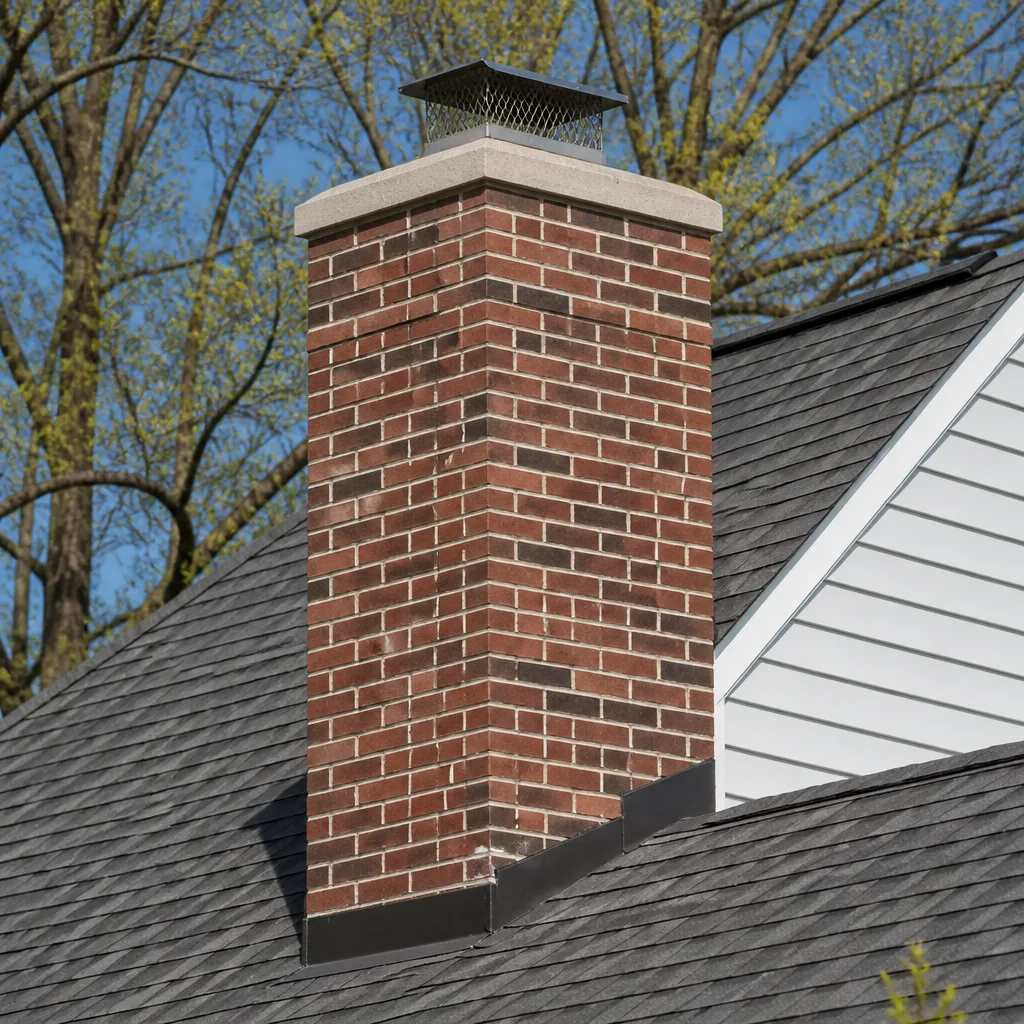 Masonry repair
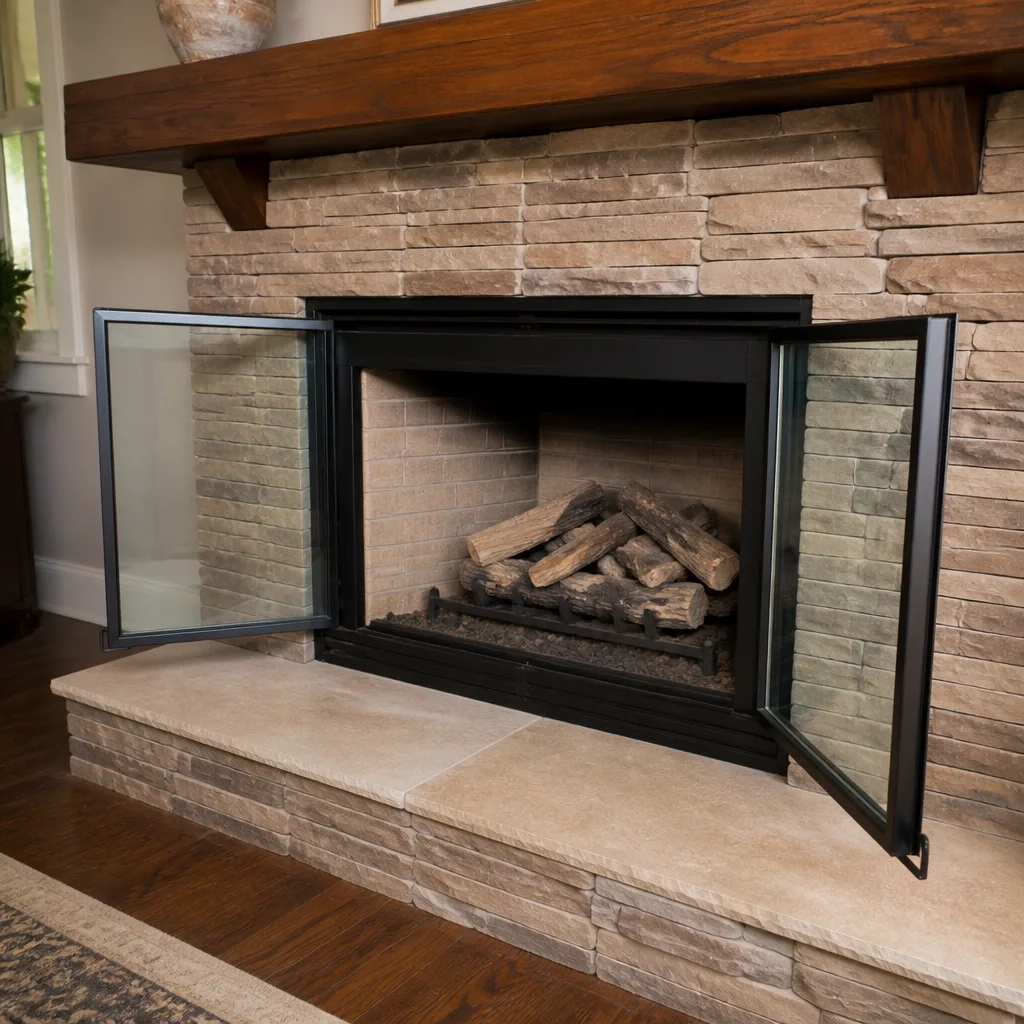 Gas fireplace service
Level 1 sweep and inspection to the NFPA 211 annual standard - flue, crown, cap, and flashing checked and photographed
Chimney sweep logs do not sweep chimneys. They loosen some creosote - which then falls where a brush and vacuum still have to collect it.
How to Hire a Chimney Cleaning Contractor in Green Lake: A Step-by-Step Guide
A chimney sweep certification is not the same as a chimney inspector certification, and that gap matters more than most homeowners realize. A contractor who holds only a sweeping credential can legally brush your flue, but may not be qualified to assess whether the flue is safe to use or what condition it’s actually in. In a Green Lake market that mixes single-service sweeps, generalist handymen, and full-service specialists, that distinction decides whether you get a surface cleaning or a real safety evaluation. This guide walks you through the specific certifications, contract terms, and verification steps that separate a thorough contractor from one who cleans and leaves.
Quick Answer
To hire a chimney cleaning contractor in Green Lake, verify two things before you book: that the technician holds a recognized sweeping credential and that the company can also perform inspection and repair work, not just cleaning. Ask for a written scope of work before any brush touches the flue, confirm insurance covers chimney-specific work, and expect a Level 1 inspection before anyone quotes a price. A contractor who offers only cleaning, gives a phone quote with no inspection, and won’t put the scope in writing is a red flag on all three counts.
Styles & brands we work with
- Sweep & inspection
- Caps & crowns
- Flue relining
- Masonry repair
- Gas fireplace service
Table of Contents
- What certifications should a chimney contractor in Green Lake hold?
- Why cleaning without inspection is a structural liability
- What a written scope of work should include
- Red flags in quotes and pricing
- How to verify insurance covers chimney work specifically
- The exact questions to ask before you book
- What’s different about chimney work in Green Lake
- When cleaning isn’t enough: liner and structural repair
What certifications should a chimney contractor in Green Lake hold?
A chimney contractor working in Green Lake should hold a CSIA Certified Chimney Sweep credential at minimum, and ideally an NFI (National Fireplace Institute) certification as well, because the two cover different territory. The CSIA credential addresses sweeping and inspection of the chimney and venting system. NFI certification is specific to the appliance side: how fireplaces, wood stoves, and gas units are installed and vented. A contractor with only one of the two may clean your flue correctly but miss appliance-level problems, or the reverse.
What each certification actually covers:
- CSIA Certified Chimney Sweep: the chimney and flue system. Covers sweeping methods, inspection levels (Level 1, 2, and 3), venting, and recognition of the creosote stages and blockages that make a flue unsafe.
- NFI certification: the appliance. Covers installation and venting of wood, pellet, gas, and other hearth appliances, and whether the appliance is correctly matched to the flue it’s connected to.
Why the split matters: a CSIA sweep can tell you the flue is dirty or obstructed. An NFI-certified technician can tell you the wood stove feeding into that flue is undersized for it, or that a gas insert is vented in a way that will produce carbon monoxide if the flue isn’t right. In a Green Lake home with an older masonry chimney and a replacement insert added later, both skills matter at once.
Ask for the credential directly, and ask which one. A contractor who can’t or won’t tell you which certification they hold, or who answers “we’re licensed” without naming a specific credential, is giving you a non-answer. Licensing and certification aren’t the same thing. A state contractor license permits you to do the work; a CSIA or NFI credential speaks to chimney-specific training. You want both. This is also where a specialist separates from a generalist handyman who adds chimney work to a broad menu of home services.
Why cleaning without inspection is a structural liability
A contractor who cleans but doesn’t repair has no incentive to find problems, because finding them creates work they can’t do. That’s the structural liability. A sweep who can only brush a flue and leave will either miss a cracked liner, a failing crown, or a blocked flue because diagnosing those problems leads to a referral they’d rather not make, or they’ll report it and hand you off to someone else. Either way, you end up coordinating two contractors and hoping the message carries between them.
This is the single biggest gap in the Green Lake chimney market. Many sweep operators do exactly one thing well: cleaning. The moment a cleaning turns up a damaged flue liner, a deteriorating crown, or a firebox that needs repair, those operators have to refer the work out. You then start the vetting process over with a second contractor, who may have a different opinion about what’s needed.
What a full-service contractor can do that a cleaning-only sweep cannot:
- Relining a compromised flue using chimney sweep and relining capability, including DuraFlex liner systems for damaged or outdated flue interiors.
- Resurfacing a deteriorating flue interior with HeatShield, a specialist restoration system most basic sweep companies don’t carry.
- Installing or replacing a chimney cap and crown to keep water and animals out of the flue.
- Repairing the firebox and firebox assembly, not just cleaning around it.
- Documenting what the inspection found with a photo report you can review before anything is done.
The practical test is simple: ask the contractor what happens if the cleaning turns up a repair. If the answer is “we do it,” you’ve narrowed the field. If the answer is “we’ll refer you,” you’re about to become a project manager.
What a written scope of work should include
Before any cleaning starts, you should have a written scope of work that names what will be done, what inspection level applies, and what it will cost. A verbal agreement over the phone isn’t enough, because it doesn’t fix the boundary between “clean the flue” and “find and fix what’s wrong.” When the two sides disagree later about whether a liner repair was part of the deal, the only document that matters is the one on paper.
A proper written scope of work for a Green Lake chimney cleaning should include:
- The inspection level. A Level 1 inspection for a routine annual cleaning is standard; a Level 2 is appropriate when there’s a change in the system (new appliance, sale of the home, or a problem suspected). The scope should name which one.
- What will be cleaned. The flue, the firebox, the smoke chamber, the damper area, and the appliance connection, named specifically.
- The sweep method and any protection. How the work area will be protected and how debris will be contained.
- What the inspection includes. Video or camera inspection where the flue is hard to see, and whether a photo report is provided.
- The price and what it covers. The estimate should be flat and agreed before booking, not hourly or “starting at.”
- What happens if a problem is found. Whether repair work is quoted separately, and whether the company can do it.
- A record. A written report of findings you keep, which matters if you sell the home or file an insurance claim.
Ask for the scope before the appointment, not on the day the technician arrives. A contractor who resists putting the scope in writing is telling you something about how they handle the rest of the job.
Quick Answer: what does a chimney sweep cost in Green Lake?
A chimney sweep in Green Lake typically costs somewhere in the low-to-mid hundreds of dollars for a standard cleaning and Level 1 inspection, though the exact figure depends on the flue, the appliance, and how much creosote has built up. We don’t quote a fixed number over the phone because the flue has to be seen before the price means anything. What we can tell you is that our sweep pricing is flat, agreed before we book, and the follow-up inspection findings come with a photo report you can review. If a repair is recommended, you see the camera evidence first, and the written estimate sets the final price.
Red flags in quotes and pricing
The biggest red flag in chimney pricing is a firm number given over the phone before anyone has seen the flue. A contractor can’t quote a Green Lake chimney accurately without a Level 1 inspection, because the price depends on how much creosote is present, whether the flue is obstructed, and what the appliance is connected to. A phone quote is a guess dressed up as a price, and it tends to grow once the technician is on site.
What to watch for when you’re comparing estimates:
- A price with no inspection. If the quote is firm before anyone has looked at the flue, ask what the inspection level is and whether that comes first.
- Hourly rates. Chimney cleaning isn’t priced by the hour in a well-run shop. A flat quote protects you from a job that “takes longer than expected.”
- Upsell pressure on the day. A technician who arrives and immediately recommends a liner replacement without showing you camera evidence is selling, not diagnosing.
- A scope that only says “clean chimney.” Vague language leaves room for a surface cleaning only.
- Refusal to put anything in writing. Verbal promises don’t survive the appointment.
- No mention of a photo report. You should be able to see what the technician saw.
The fair structure is this: a flat estimate agreed before booking, a Level 1 inspection as part of the visit, a camera inspection with photos you can review, and a separate written estimate for any repair, with the final price set by that estimate. If a quote matches that shape, you’re dealing with a professional. If it doesn’t, keep looking.
How to verify insurance covers chimney work specifically
General liability insurance is not automatically chimney insurance, and this is where a lot of homeowners get misled. A contractor can carry a standard general liability policy that covers their business broadly but doesn’t specifically contemplate chimney sweeping, relining, or work on a roof-adjacent flue. Ask for a certificate of insurance that names the work and confirm the coverage is current. A licensed and insured contractor will produce this without friction.
What to ask about insurance:
- Request a certificate of insurance. It should name the work performed, not just the business.
- Confirm the policy is current. A certificate is a snapshot; ask whether coverage is active as of the appointment date.
- Ask about specific work coverage. Chimney relining, cap and crown installation, and other structural work should be within the policy’s scope.
- Ask about the technician who will arrive. Confirm the person doing the work is covered, not just the business entity.
- Ask about property damage. Chimney work involves a roof, an attic, and a living space beneath. Confirm the policy addresses damage to the home.
If a contractor is vague about insurance, treats the question as an inconvenience, or says “we’re fully covered” without producing anything, that’s a pass. The certificate should match the work, not just the name on the door.
The exact questions to ask before you book
A short, direct set of questions will separate a full-service Green Lake chimney contractor from a cleaning-only operator faster than any online review. Ask these before you schedule, and listen to whether the answers are specific or deflected.
- Which certification do you hold: CSIA, NFI, or both? A good answer names one and explains what it covers. A bad answer says “we’re certified” and stops.
- What inspection level comes with the cleaning? For a routine annual cleaning, a Level 1; if anything has changed, a Level 2. The answer should be specific.
- Do you do repairs yourself, or do you refer them out? The answer to this one tells you whether you’re hiring a specialist or a cleaning service.
- Can I see the camera inspection and a photo report? Yes should be automatic.
- Will the price be flat and agreed before booking? It should be, and it should be written down.
- Can I have the scope of work in writing before the appointment? Reluctance here is a warning.
- Is the technician insured for chimney work specifically? Ask for the certificate.
- What brands and materials do you work with? A full-service contractor can name the professional-trade lines they use, such as Olympia Chimney or Famco for caps and components, rather than pointing to whatever the home improvement store stocks.
Eight questions, and the answers shake out the field quickly. The contractors who handle all eight well are the ones who can carry a job from fireplace repair through to a chimney cap & crown replacement without handing you off.
What’s different about chimney work in Green Lake
Green Lake’s climate and housing stock shape what a chimney contractor actually deals with. The neighborhood is full of older homes with masonry chimneys built decades ago, and the wet, cool winters mean the chimney is exposed to freeze-thaw cycling that stresses mortar, crowns, and flue liners in ways warmer climates don’t. A crown that’s slightly cracked in summer can become a water path into the flue by winter, and water in a masonry flue is the beginning of spalling and deterioration.
The heating season in Green Lake is long, which is why an annual cleaning and inspection matters here more than in a mild climate. Creosote builds up over the burning months, and the third stage creosote, the glazed kind, is the flammable one. That’s not a scare tactic; it’s why the sweep schedule exists. A chimney that hasn’t been swept in a few seasons of heavy wood burning is carrying a risk that a routine cleaning removes.
Housing in Green Lake also means a lot of chimneys are on homes that have been renovated, sometimes more than once. A chimney that was built for a wood-burning fireplace may now have a gas insert, or a stove, or a newer liner added in a prior renovation. When the appliance and the flue don’t match, that’s exactly the kind of problem an NFI-certified technician catches and a cleaning-only sweep doesn’t. If you’re in a Green Lake home and aren’t sure what’s venting into what, an inspection and photo report is the place to start.
Weatherproofing is the other local concern. A chimney cap and crown are the first line of defense against water intrusion, and in a climate with wet winters, a missing or damaged cap lets water, birds, and debris into the flue. That’s a repair most cleaning-only operators can’t do.
When cleaning isn’t enough: liner and structural repair
Cleaning restores a flue that’s dirty but sound. It cannot restore a flue that’s cracked, spalled, or missing tiles, and the difference matters. A compromised flue liner allows heat and gases to reach the structure of the house, and it’s also a path for carbon monoxide. When the camera shows a failed liner, cleaning the flue doesn’t fix it. The repair is relining or resurfacing.
What the repair options actually cover:
- DuraFlex liner systems: used to reline a damaged or outdated flue, giving the chimney a new internal path so the flue is sound again. This is structural work, not cleaning, and it’s the kind of job a cleaning-only sweep refers out.
- HeatShield: a resurfacing system for a deteriorating flue interior where the tiles are worn but the flue is still a candidate for restoration. This is specialist work; most basic sweep companies don’t offer it.
- Chimney cap and crown: the top-of-chimney weatherproofing that keeps water out of the flue. In Green Lake’s wet climate, a sound crown and cap protect the repair you just made.
- Fireplace and firebox repair: the appliance side, which is where Chimney Sweep Green Lake covers the full scope.
The decision point is the inspection report. If the flue is sound, cleaning is the whole job. If it isn’t, you want a contractor who can quote the repair, show you the evidence, and do the work rather than hand you a referral. The camera inspection and photo report are what turn that from a judgment call into a documented one. Nothing gets recommended without evidence you can see, and if a repair can safely wait, we’ll tell you so.
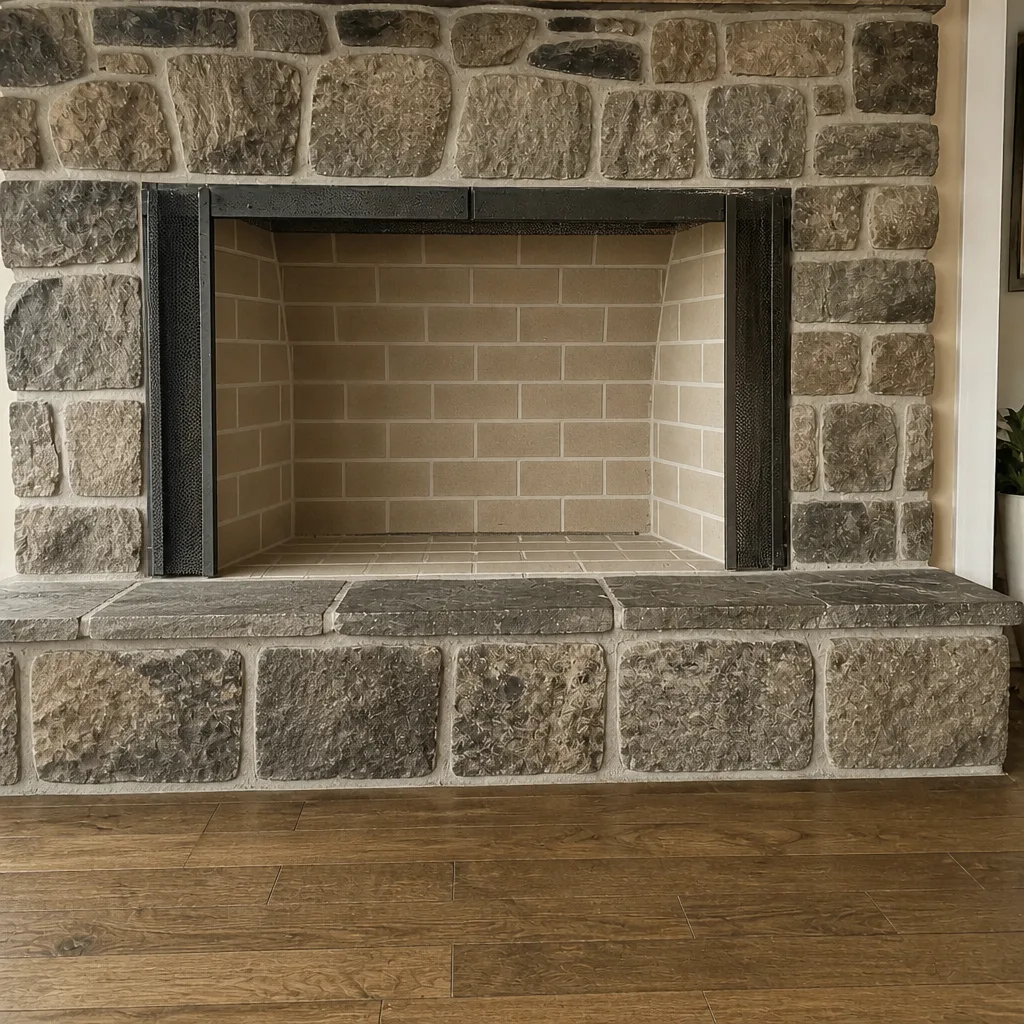
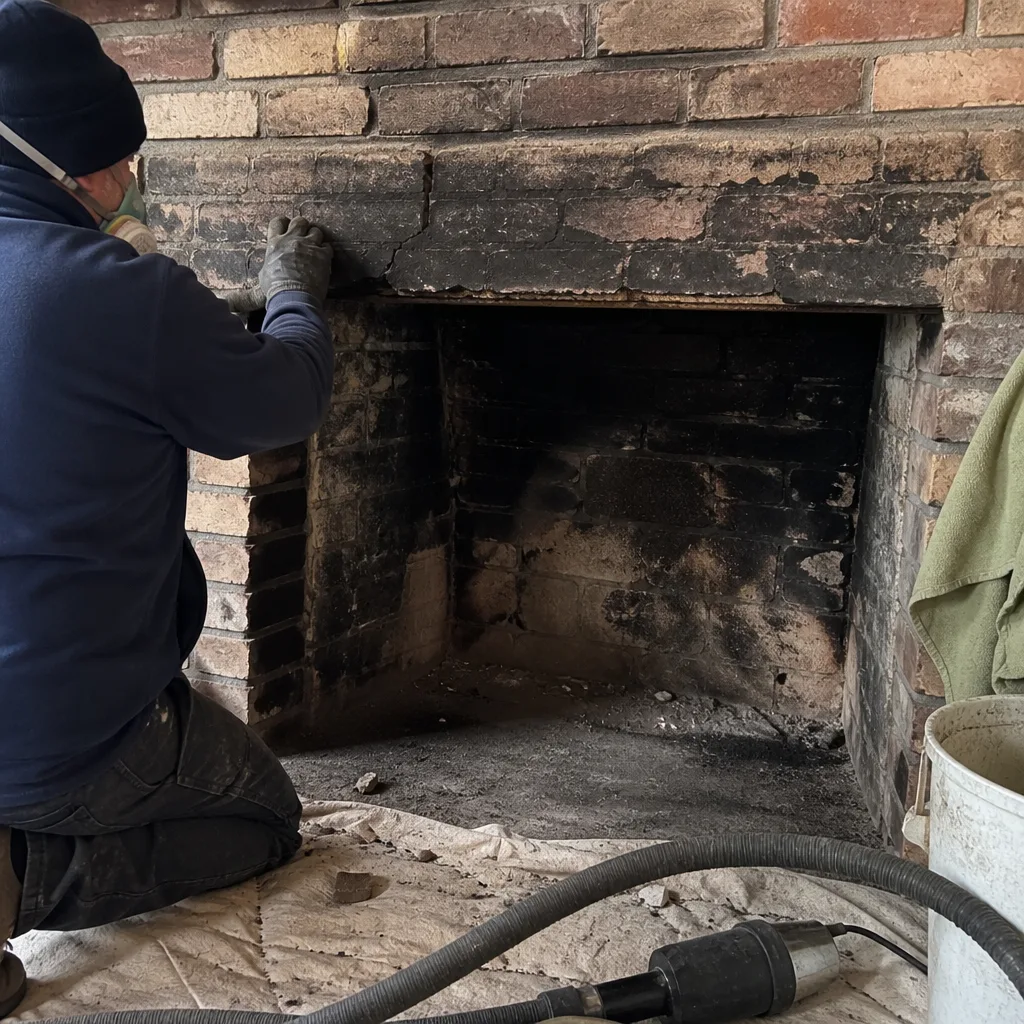
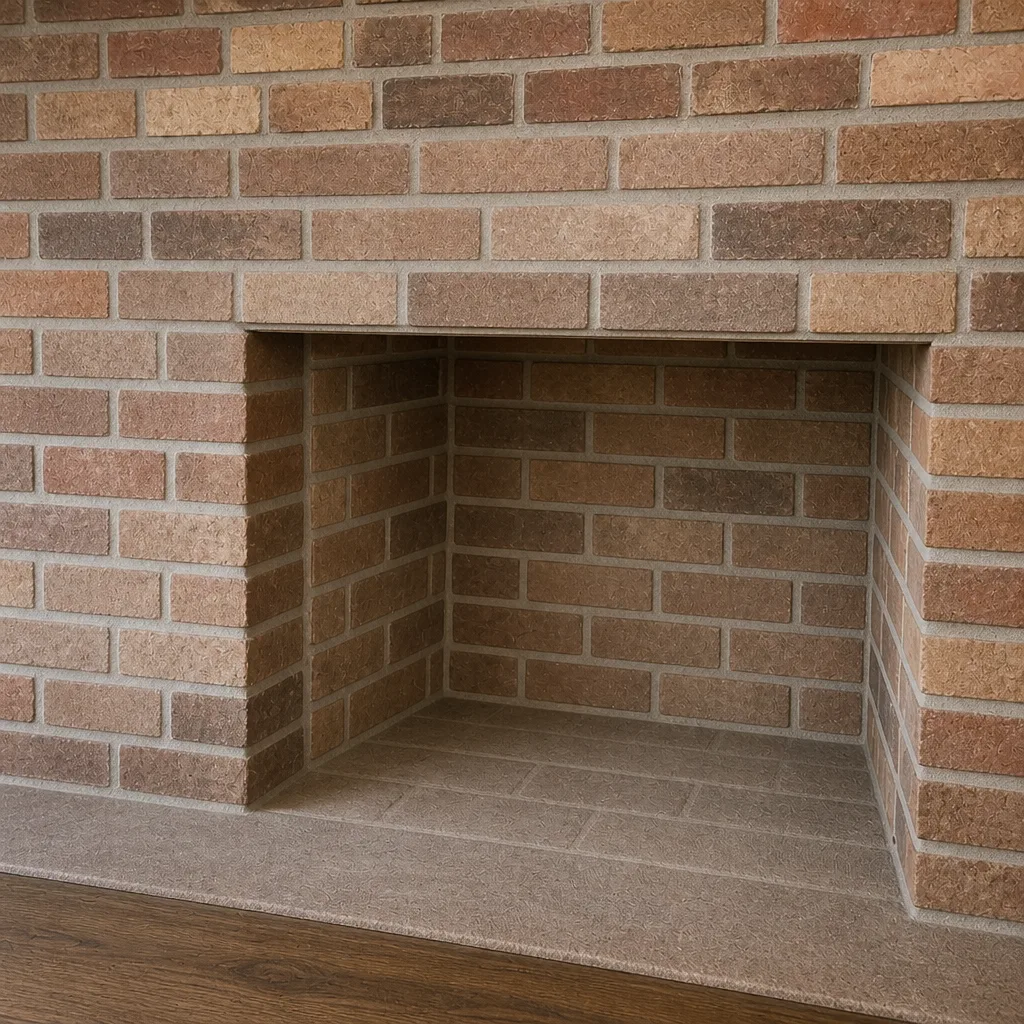
See the difference
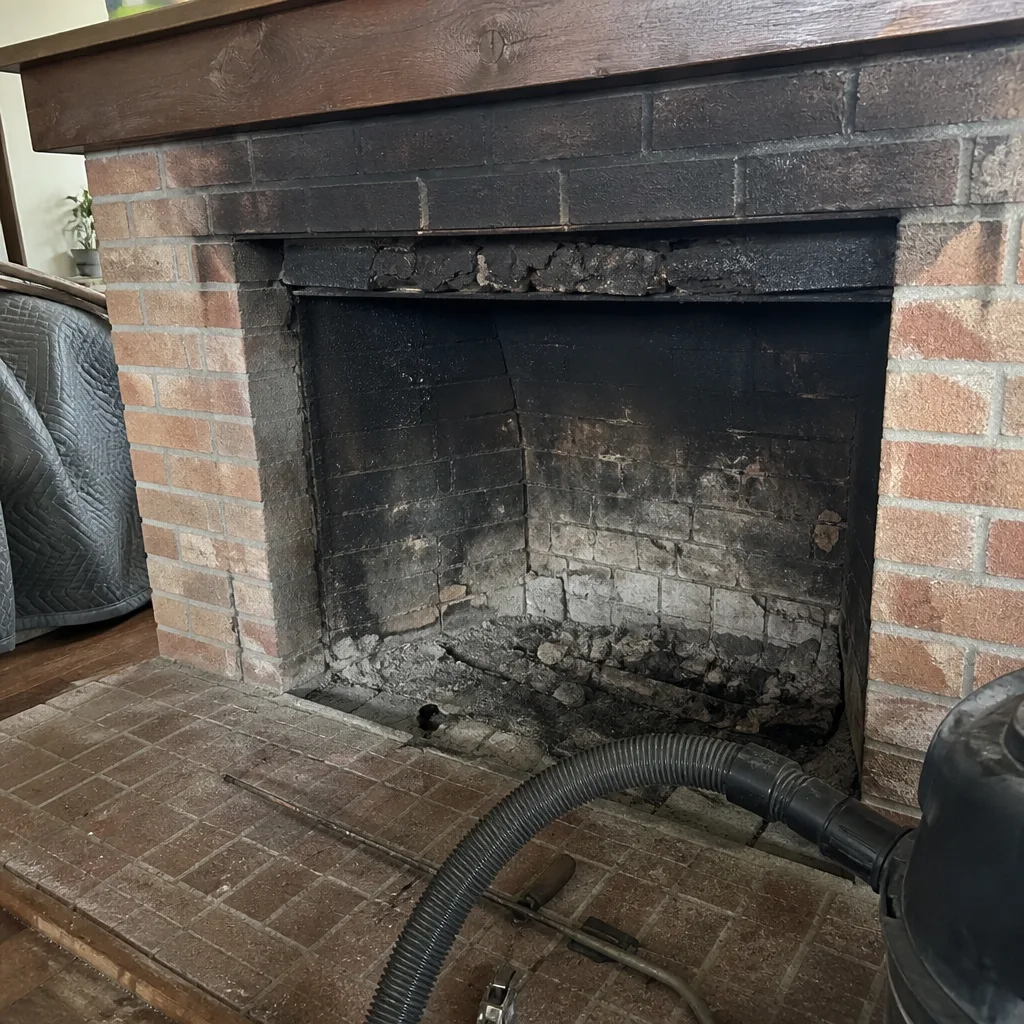 Before
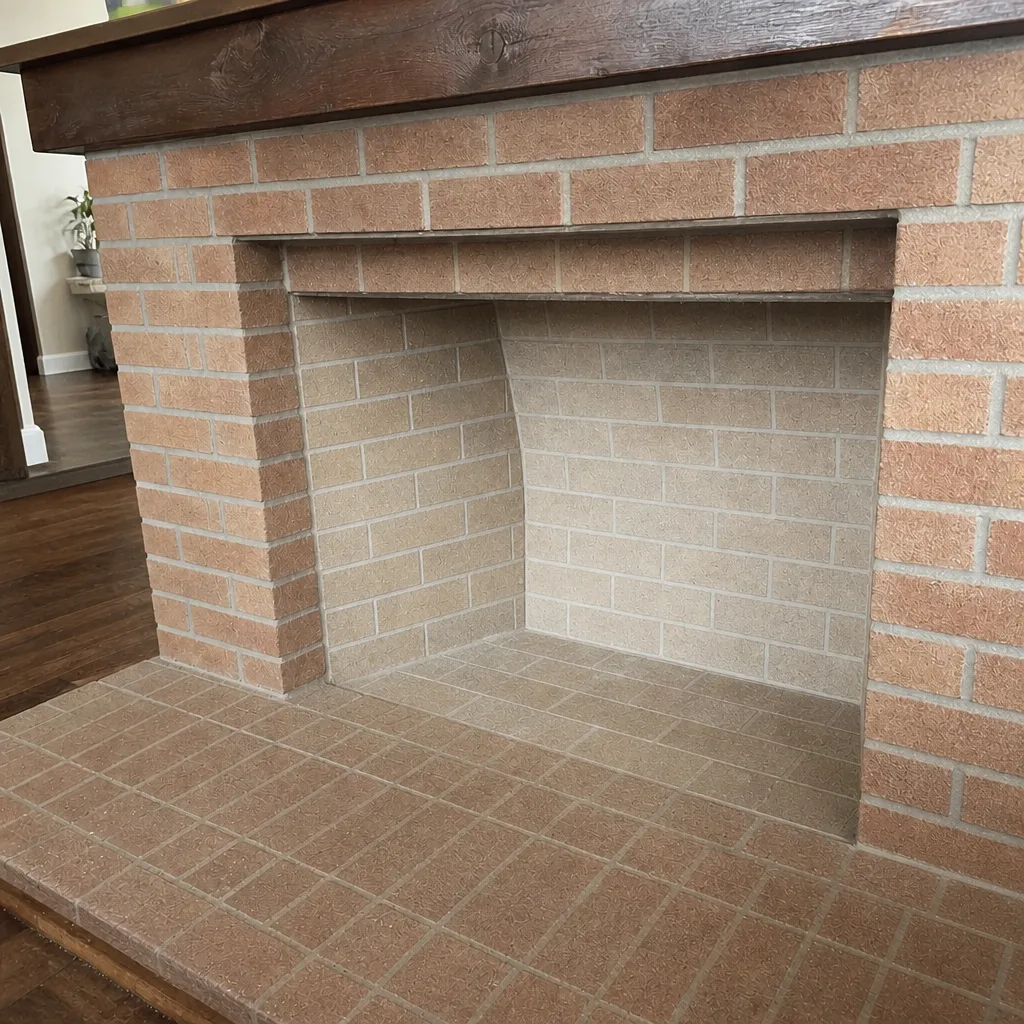 After
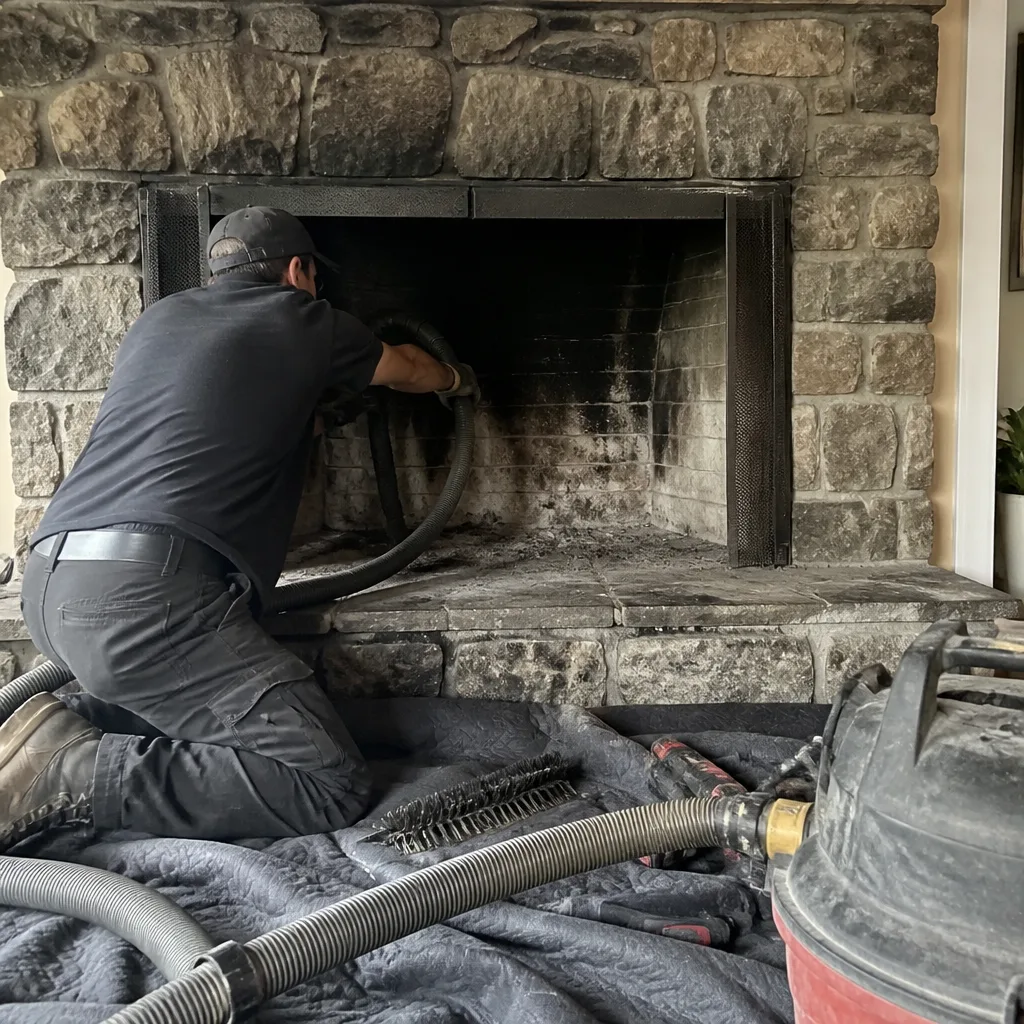 Before
 After
 Before
 After
Common Mistakes to Avoid
- Hiring a sweep who only cleans. A cleaning-only operator has nothing to gain from finding a repair, and will refer it out if they do. You want a contractor who can carry the job through.
- Accepting a phone quote as a price. A firm number before a Level 1 inspection is a guess, and it usually grows once the technician sees the flue.
- Confusing “licensed” with “certified.” A state contractor license doesn’t speak to chimney training. Ask specifically about CSIA and NFI credentials and what each covers.
- Skipping the written scope. A verbal “we’ll clean the chimney” leaves room for a surface clean only, and no record if a repair turns up.
- Taking a liner replacement recommendation on faith. Ask to see the camera inspection and photo report before agreeing to any repair. If the evidence isn’t shown, don’t sign.
- Letting a damaged crown go through the wet season. In Green Lake’s climate, a cracked crown lets water into the flue, and water in a masonry chimney is how spalling starts.
- Not asking about insurance for the specific work. General liability doesn’t automatically cover relining or cap and crown installation. Ask for the certificate.
When to Call a Professional
Call a Green Lake chimney contractor when you haven’t had the flue swept in a season of heavy burning, when you’ve noticed smoke backing up or a strong draft problem, or when the firebox or flue shows cracks, crumbling mortar, or water staining. Call if you’re preparing to use a wood-burning fireplace or stove for the first time in a new home, because an inspection tells you what you’ve actually bought. Call if the chimney cap is missing or the crown is visibly damaged, since both are direct water paths in a wet climate. And call if you’re unsure what’s venting into what, because a Level 1 inspection with a photo report settles it.
Chimney Sweep Green Lake offers free estimates in Green Lake. Our technicians have up to 9 years of experience, we work with professional-trade lines like DuraFlex and Olympia Chimney, and we cover inspection, cleaning, repair, and cap and crown work as one company. Call (877) 820-8284. We answer 24/7. Fast dispatch from 7am to 7pm, Sunday through Friday.
Frequently Asked Questions
A standard chimney sweep in Green Lake typically falls in the low-to-mid hundreds of dollars, and the final price is set by the written estimate after the flue has been inspected. We don’t quote a firm figure over the phone, because a Level 1 inspection has to come first. The estimate is flat and agreed before booking, and the camera inspection and photo report are included. Call (877) 820-8284 for an exact quote; estimates are free.
Only if the flue inspection shows the liner is cracked, spalled, or otherwise failed, which is something you should be able to see for yourself in the camera inspection and photo report. A sound liner doesn’t need replacing, and a cleaning is the whole job. When a liner has failed, a DuraFlex reline or a HeatShield resurfacing restores the flue to safe condition, and that’s a repair, not an upsell. Call (877) 820-8284 and ask to see the evidence before anything is recommended.
A chimney used for wood burning should be swept and inspected once a year, and more often if the flue shows heavy creosote buildup or you burn frequently. In Green Lake’s long heating season, annual sweeping is the baseline, not a suggestion. The inspection is what tells you whether the schedule should tighten. Call (877) 820-8284 to book a sweep and Level 1 inspection.
Creosote builds up in the flue over the burning season, and the third-stage glazed creosote is the flammable kind, so a neglected flue carries a real chimney fire risk. A blocked or damaged flue is also a carbon monoxide path. Skipping a sweep doesn’t always produce a problem immediately, but it removes the inspection that would have caught one. Call (877) 820-8284 to get the flue checked before the next burning season.
CSIA certification covers the chimney and flue system, including sweeping methods and inspection levels; NFI certification covers the appliance itself, including how a fireplace, wood stove, or gas unit is installed and vented. A contractor with only one may clean correctly but miss appliance-level problems, or the reverse. Ask which credential a contractor holds and what it actually covers. Call (877) 820-8284 if you’re not sure what your Green Lake home needs.
It can be brushed, but that isn’t the same as being cleaned safely, and a contractor who cleans without inspecting is skipping the part that tells you whether the flue is sound. A Level 1 inspection before or with the cleaning is the standard, and a camera inspection with a photo report should be part of it. Call (877) 820-8284 to book both together.
The Bottom Line
Hiring a chimney contractor in Green Lake comes down to a handful of checks: confirm the certification, confirm the contractor can repair as well as clean, confirm the inspection level and the written scope, confirm the price is flat and agreed before booking, and confirm the insurance covers the specific work. A sweep who can do all of those is a specialist. A sweep who can’t is a cleaner with a brush, and the difference shows up the moment a repair is needed. The good news is that the checks take minutes, and they’re the same checks that keep a Green Lake home safe through a long heating season.
Chimney Sweep Green Lake handles inspection, cleaning, fireplace repair, chimney repair, and chimney cap and crown installation as one company, working with professional-trade lines including DuraFlex, HeatShield, Gelco, Olympia Chimney, Famco, and Copperfield. Call (877) 820-8284 for a free estimate. We answer 24/7. Fast dispatch from 7am to 7pm, Sunday through Friday.
Written by the team at Chimney Sweep Green Lake.