
Last updated November 25, 2026
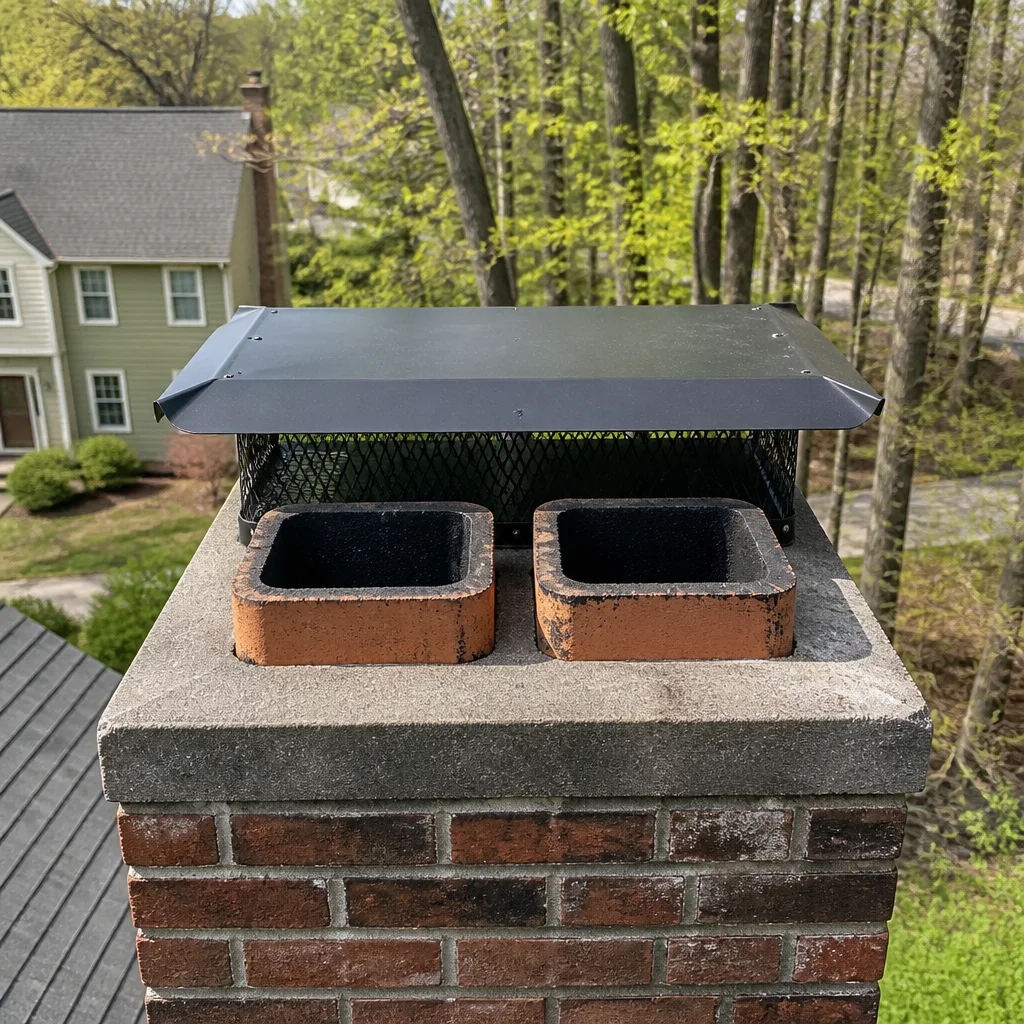 Sweep & inspection
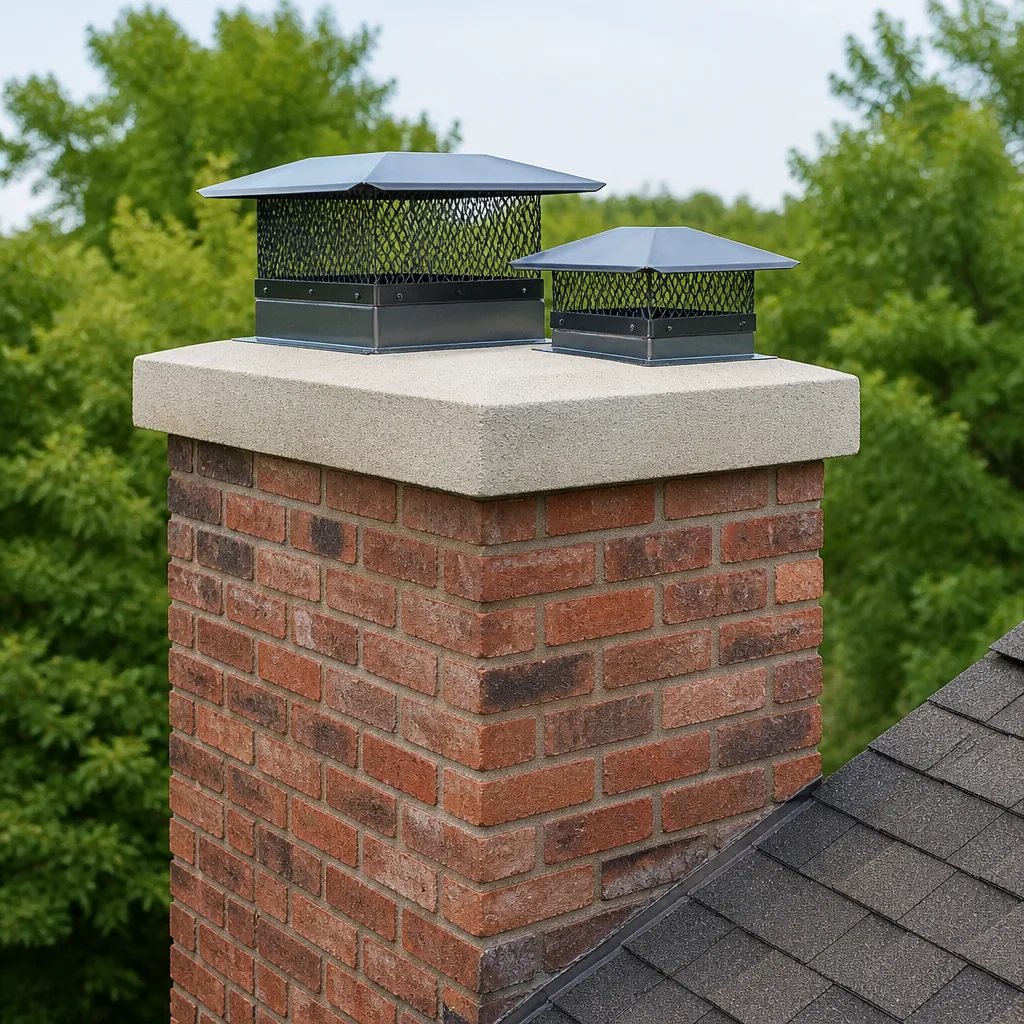 Caps & crowns
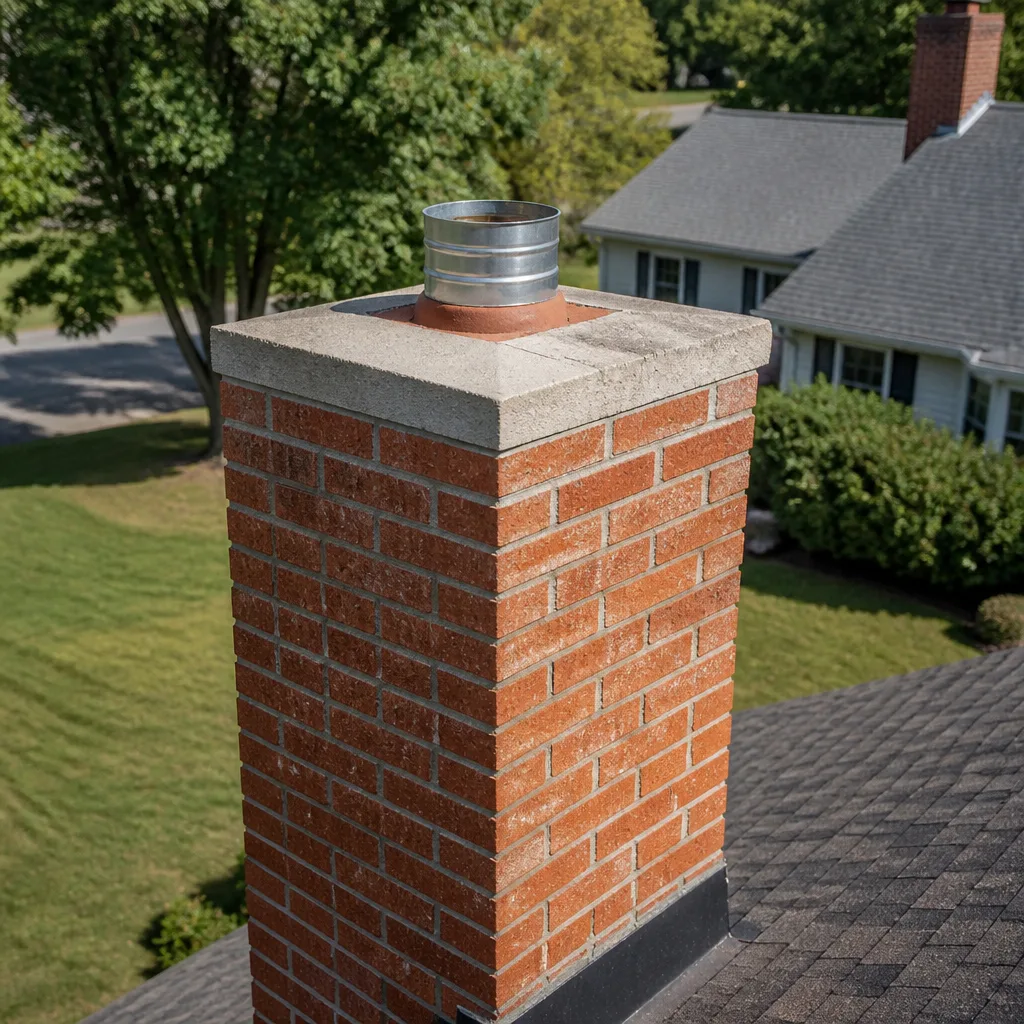 Flue relining
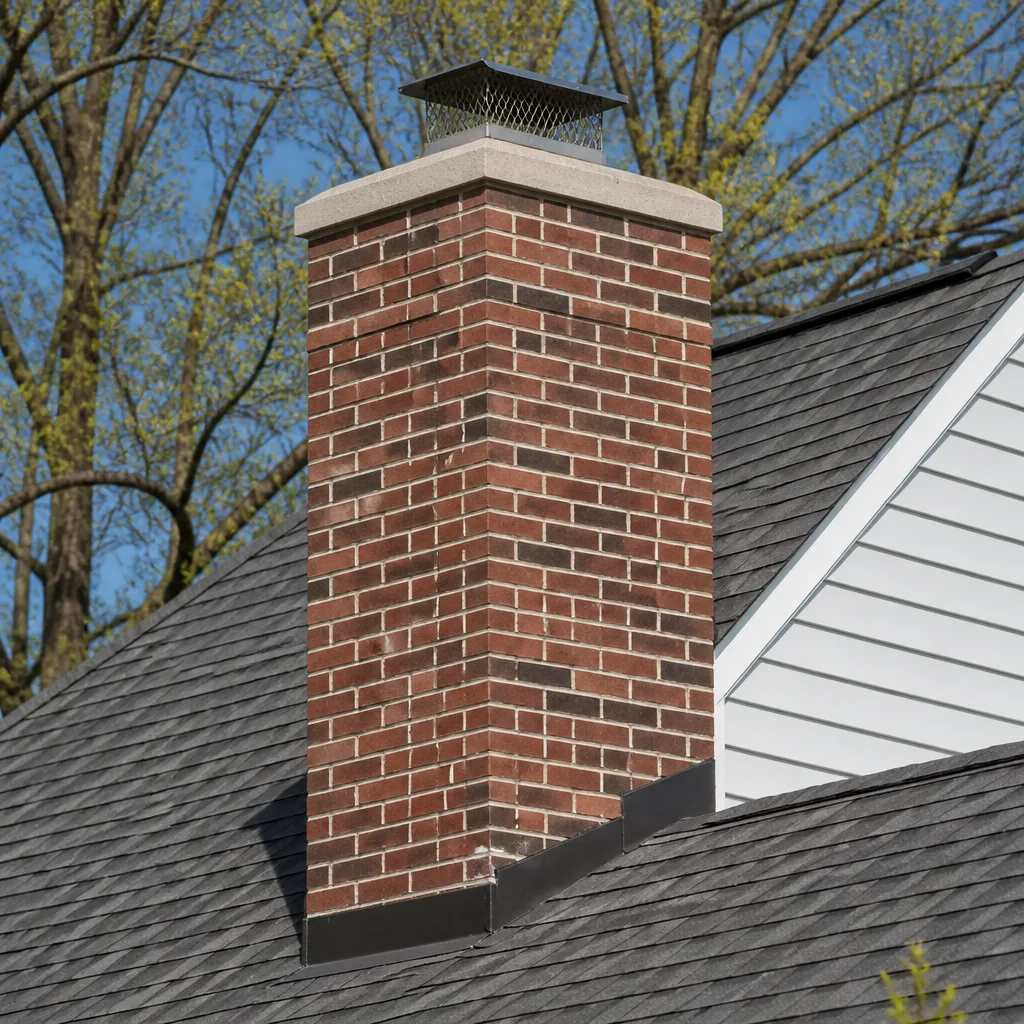 Masonry repair
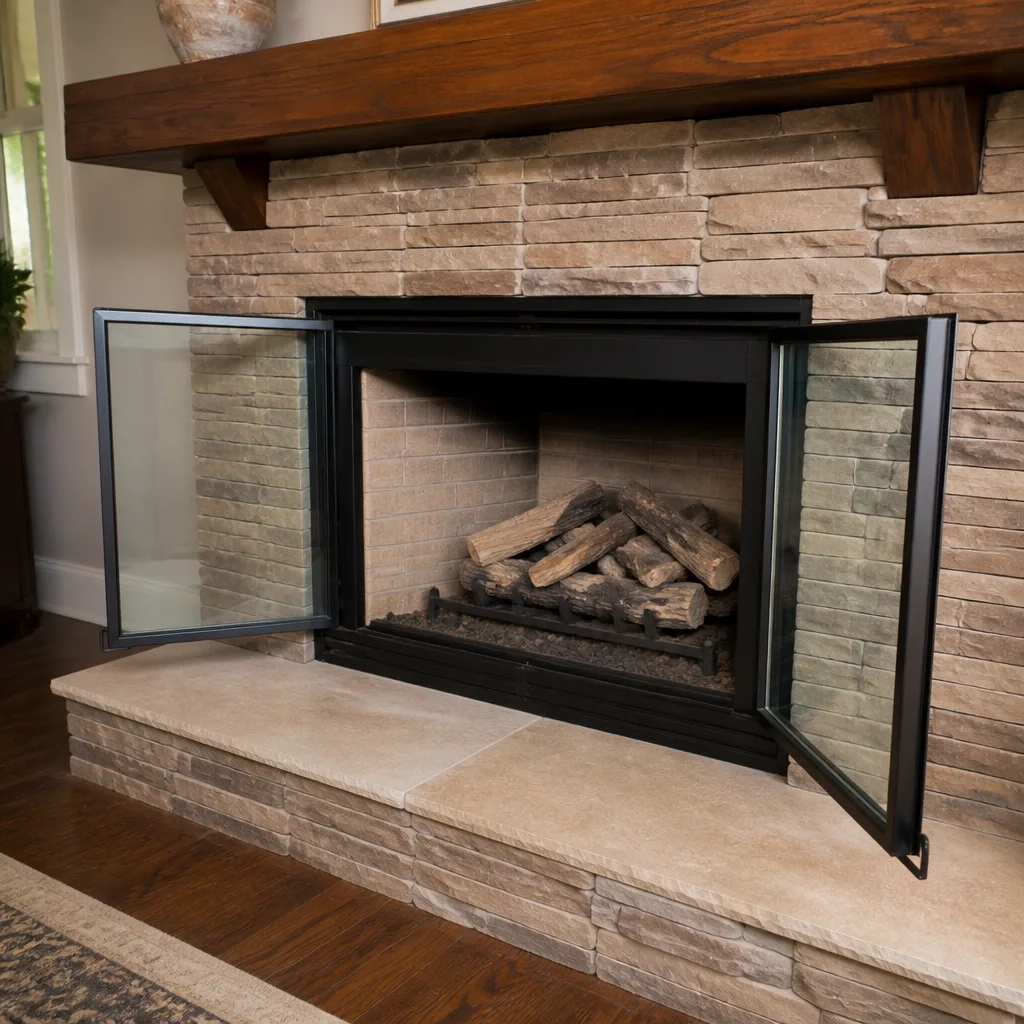 Gas fireplace service
Level 1 sweep and inspection to the NFPA 211 annual standard - flue, crown, cap, and flashing checked and photographed
Chimney sweep logs do not sweep chimneys. They loosen some creosote - which then falls where a brush and vacuum still have to collect it.
Chimney Cleaning Permits, Codes & Inspections in Green Lake, WA: What You Need to Know
The most expensive mistake in chimney work usually isn’t the work itself. It’s the paperwork nobody thought about. A homeowner hires a contractor for a quick liner replacement, the job gets done, the fire happens years later, and the insurance adjuster asks for the permit and inspection record. There isn’t one. The claim gets contested on the grounds that the installation was never code-compliant. This guide maps where Washington actually draws the line between a permit-exempt cleaning and a permitted structural repair, how Seattle and King County rules apply to Green Lake properties, and what documentation you should be holding when the work is done.
Quick Answer
In Washington, a routine chimney cleaning and a Level 1 visual inspection generally do not require a permit. Anything that alters the structure of the chimney or flue, including liner replacement, crown rebuilding, firebox repair, and most masonry work, typically does require a permit through the local authority having jurisdiction, which for Green Lake properties is the City of Seattle. The permit is pulled by the contractor doing the work, and the final inspection is scheduled by that contractor with the city.
Styles & brands we work with
- Sweep & inspection
- Caps & crowns
- Flue relining
- Masonry repair
- Gas fireplace service
Table of Contents
- Which chimney services need a permit in Washington?
- How Seattle and King County codes apply to Green Lake
- What the AHJ inspection actually involves
- Why your insurer wants code-compliance documentation
- How to confirm a contractor pulls permits
- How Green Lake’s housing and climate shape the rules
- Common mistakes to avoid
- When to call a professional
Which Chimney Services Need a Permit in Washington?
Washington State Building Code treats a chimney as part of the structure of a house, not as an appliance. That single fact drives the whole permit question. Cleaning the inside of an existing flue removes soot and creosote; it doesn’t change the structure, so it falls outside the permit system. The moment a contractor removes, replaces, resizes, or relines the flue, they’re modifying a structural component of the building, and the work enters permit territory.
Here’s the practical breakdown we walk Green Lake homeowners through before any job is booked:
- Permit-exempt in most cases: a standard chimney sweep, a Level 1 visual inspection, cap replacement on an existing chase, and minor hardware swaps that don’t touch the flue itself.
- Usually requires a permit: liner installation or relining, flue resurfacing that changes the interior dimensions, crown replacement, firebox rebuild, masonry repointing above a certain scope, and any repair that changes how the chimney is anchored or supported.
- Depends on scope and jurisdiction: chase cover replacement, damper replacement, and some fireplace repair work. These can go either way depending on what’s being opened up.
A reline with a system like DuraFlex involves removing the old flue lining and installing a new one, which is a structural alteration. A HeatShield resurfacing job restores a deteriorating flue interior and, depending on the depth of the deterioration, can also trigger the permit question. Neither one is a “quick fix” in the regulatory sense, and any contractor who describes it that way is telling you something about how they handle paperwork.
If you’re unsure whether your specific job needs a permit, the answer lives with your city’s building department, not with a contractor’s opinion. Ask before work starts. It’s a two-minute call that saves a multi-year headache.
How Seattle and King County Codes Apply to Green Lake
Green Lake sits inside the City of Seattle, which means the city is the authority having jurisdiction over most chimney permits on residential properties here. King County regulations apply in unincorporated areas and on certain environmental and air-quality matters, but for a standard chimney permit on a Green Lake house, you’re working with Seattle’s Department of Construction and Inspections.
What that means on the ground:
- Seattle adopts the Washington State Building Code with local amendments. Those amendments can add requirements that a contractor from outside the city might not track, which is one reason hiring a permit-experienced local pro matters.
- Permit applications for chimney and fireplace work usually require a scope description, sometimes a simple drawing, and, depending on what’s being modified, a statement about the existing flue configuration.
- Permit fees scale with job valuation. A straightforward liner replacement and a full chimney rebuild sit in different fee brackets. The contractor typically fronts the fee and rolls it into the estimate.
- Inspections are scheduled through the city’s online system by the permit holder. If the contractor isn’t the permit holder, that’s a red flag.
Green Lake’s housing stock is part of why this matters. The neighborhood has a mix of early-1900s craftsman homes, mid-century construction, and newer infill, and each era’s chimney construction handles alterations differently. A 1920s brick chimney with a clay tile liner is a very different permit conversation than a 1970s chimney with a metal flue. We’ve worked enough Green Lake homes to know that the permit scope follows the actual construction, not a generic template.
One practical note for Green Lake homeowners: Seattle’s permit portal shows whether a permit has been pulled for an address. If a contractor says they’ve pulled one, you can verify it yourself in a couple of minutes. There’s no reason not to.
What the AHJ Inspection Actually Involves
The authority having jurisdiction, or AHJ, is the city inspector who signs off on permitted chimney work. In Seattle, that’s a DCI inspector. Their job isn’t to critique your contractor’s craftsmanship; it’s to confirm the installation meets code so the permit can be closed. A permit that stays open on a house record can complicate a future sale, an insurance claim, or a refinance, so the inspection isn’t a formality.
Here’s the sequence most permitted chimney jobs follow from the homeowner’s side:
- Contractor pulls the permit before work starts. The permit number should appear on your written estimate or contract. If it doesn’t, ask for it.
- Contractor performs the work and requests the inspection. Most jurisdictions need 24 to 48 hours of notice to schedule. Some permit types have a rough-in inspection before the work is closed up, so the timeline can include more than one visit.
- Inspector visits the property. They’ll check the installed liner or repaired structure against the approved scope. They may want access to the flue at the top and from inside the firebox.
- Inspector signs off or writes corrections. If corrections are needed, the contractor addresses them and requests a re-inspection. The permit stays open until the final pass.
- Permit closes and the record is filed with the city. This is the documentation you should keep along with your contractor’s written report and photos.
What the inspector is looking for is fairly narrow: does the installed system match the permitted scope, does it meet code for the type of appliance and flue, and are the clearances and connections correct. They’re not looking at the sweep report or the creosote level. Those come from us, not the city.
If a contractor tells you permits aren’t needed for a liner replacement in Seattle, that’s a claim worth verifying with the city before you sign anything.
Why Your Insurer Wants Code-Compliance Documentation
Homeowners insurance increasingly depends on documentation rather than trust. When a fire or carbon monoxide incident traces back to a chimney, the insurer’s first question is whether the installation was code-compliant at the time it was done. If there’s no permit record and no inspection sign-off, that question has no answer, and the insurer can argue the installation was never compliant, which is a coverage problem regardless of what actually caused the fire.
The format matters as much as the existence of the paperwork. Here’s what holds up:
- Permit number and final inspection date from the city, kept with your home records. Photos of the completed work are a strong supplement.
- A written inspection report from a qualified chimney professional, with photos of each part of the flue, firebox, and cap. A report that says “chimney looks good” with no images is nearly useless in a claim.
- Manufacturer documentation for the installed system. When we install a DuraFlex liner or an Olympia Chimney component, the product documentation goes into the file. Insurers recognize those brands and know the installation standard they require.
- Any prior condition photos, which show what existed before the repair and why the work was needed.
One thing we hear from Green Lake homeowners: their insurer asks about “the life of the chimney” and they realize they have no record at all of when it was last inspected. A Level 1 inspection with a photo report fills that gap, and it’s the kind of record you can pull out years later when someone asks.
The broader point is that chimney work has shifted from a handshake trade to a documented one, and homeowners who keep records have less friction when a claim or a sale calls for it.
How to Confirm a Contractor Pulls Permits
The contractor, not the homeowner, is responsible for pulling the permit on a chimney job. But you’re the one who absorbs the consequence if they don’t. Confirm before work starts.
A short checklist:
- Ask directly: “Will you pull the permit for this job?” A contractor who’s honest about permit scope will answer clearly. A contractor who says permits aren’t needed for a liner replacement in Seattle is signaling how they operate.
- Look for the permit number on the estimate or contract. If it’s not there yet, ask when it will be. It should appear before any deposit is paid.
- Verify the permit on the city’s online portal. Search by address and see if a permit is open and what it covers. If the scope on the permit doesn’t match the work described on your estimate, ask why.
- Confirm the contractor’s registration. Washington requires contractors to be registered with the state Labor & Industries. The registration is public and checkable.
- Get the final inspection sign-off and keep it. The permit is only as useful as its closed record.
If a contractor starts work without a permit that was required, the legal exposure lands on both sides. The homeowner can be required to remove or redo the work, and the permit record shows the work was unpermitted, which is exactly the flag insurers look for. Working with a contractor who treats the permit as part of the job, not a nuisance, is the simplest protection you can buy.
How Green Lake’s Housing and Climate Shape the Rules
Green Lake is a wood-burning neighborhood. That’s not a marketing claim; it’s a practical observation about how the housing stock here works. The neighborhood has a large share of older homes with masonry fireplaces and wood stoves, and many of those have been in continuous use for decades. The climate adds to the wear: wet winters and freeze-thaw cycles work on brick, mortar, and crowns, so chimney deterioration here tends to show up as cracking in the masonry crown and shoulders rather than as a single dramatic event.
That matters for permits because crown and masonry repairs are exactly the kind of work that triggers them. A crown that’s cracked through lets water into the chimney structure, and what starts as a cosmetic issue can turn into a masonry rebuild if it’s left alone. Catching it in time with a chimney cap & crown replacement is a smaller job, smaller permit, and smaller cost than the rebuild. The same logic applies to caps: a missing or damaged cap lets rain and animals into the flue, which accelerates the wear that eventually calls for a liner.
On the sweeping side, the Green Lake climate means a chimney that burns several cords a season can accumulate measurable creosote in a single season. That’s the pattern we plan sweeps around here. A yearly sweep keeps the creosote level manageable and puts eyes on the flue before small deterioration becomes liner-level work.
For anyone preparing for the cold months, the sequence is simple: get the sweep and inspection done, address any liner or crown findings while they’re small, and confirm that any resulting permit is pulled and closed. That’s the local rhythm, and it maps to what the code actually requires.
Which Services Are Permit-Exempt and Which Are Not?
Here’s a quick reference for the services we handle most often in Green Lake. This is a general guide, not a substitute for the city’s determination on a specific address, but it’s a fair starting point for planning.
- Sweep and Level 1 inspection: No permit. This is routine maintenance.
- Level 2 or Level 3 inspection: No permit for the inspection itself. If it leads to repair work, the permit question starts with the repair.
- Cap replacement: Usually no permit if it’s a like-for-like swap. New cap on a chase with no previous cap, check with the city.
- Crown replacement or repair: Typically requires a permit, since the crown is part of the chimney structure.
- Liner installation (DuraFlex or equivalent): Requires a permit in Seattle.
- Flue resurfacing (HeatShield or equivalent): Permit scope depends on the extent of the restoration. Ask before scheduling.
- Firebox or masonry repair: Requires a permit in most cases, since it’s structural work.
- Full chimney rebuild: Requires a permit and typically more than one inspection.
The pattern is consistent: cleaning isn’t permitted, and structural change is. Anything that changes what the chimney is made of, how it’s shaped, or how it’s supported is inside the permit system. We treat that as a service to the homeowner, not a burden. It’s the difference between a repair that carries a record and one that doesn’t.
What happens when you call
- 1
A real person answersNo phone trees – you reach a local pro.
- 2
You get an upfront price rangeHonest numbers before anyone is dispatched.
- 3
A background-checked tech heads outLicensed & insured, dispatched right away.
- 4
You approve before work beginsNothing starts until you say go.
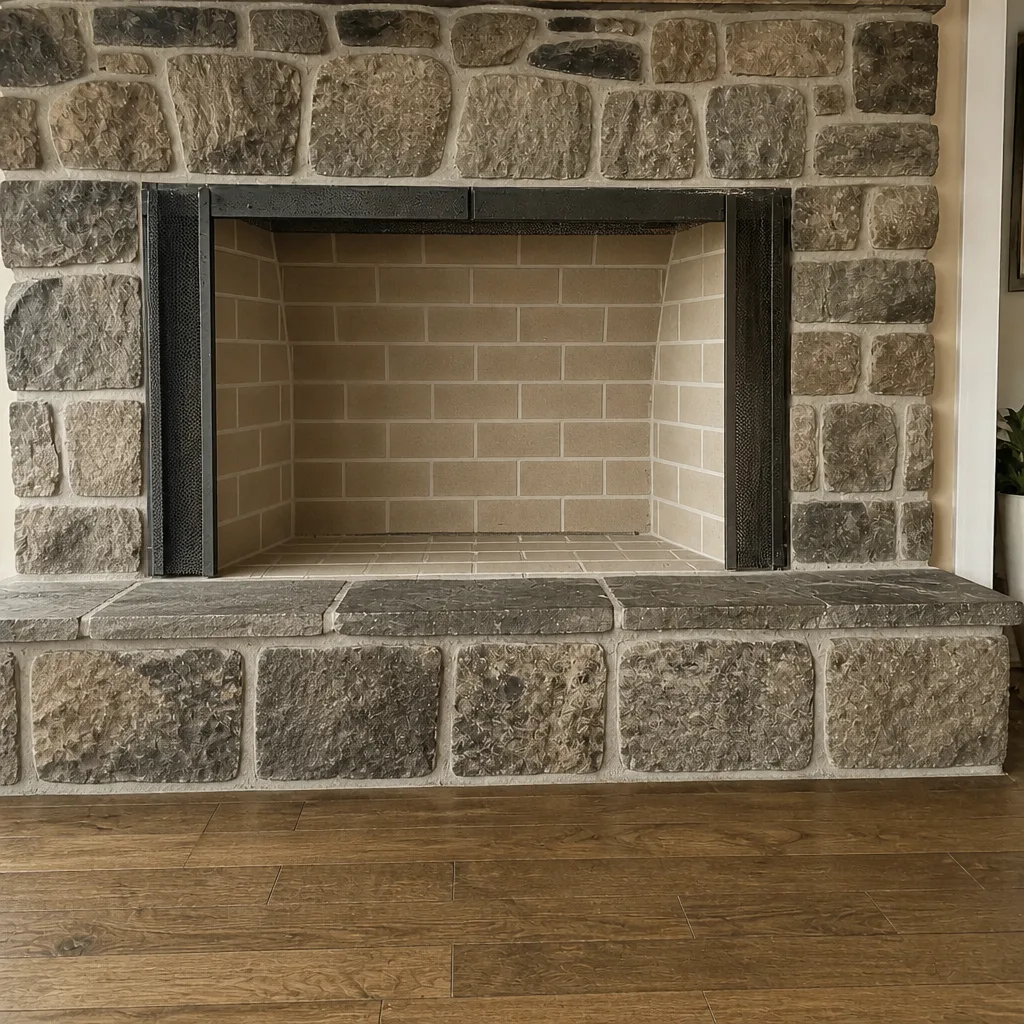
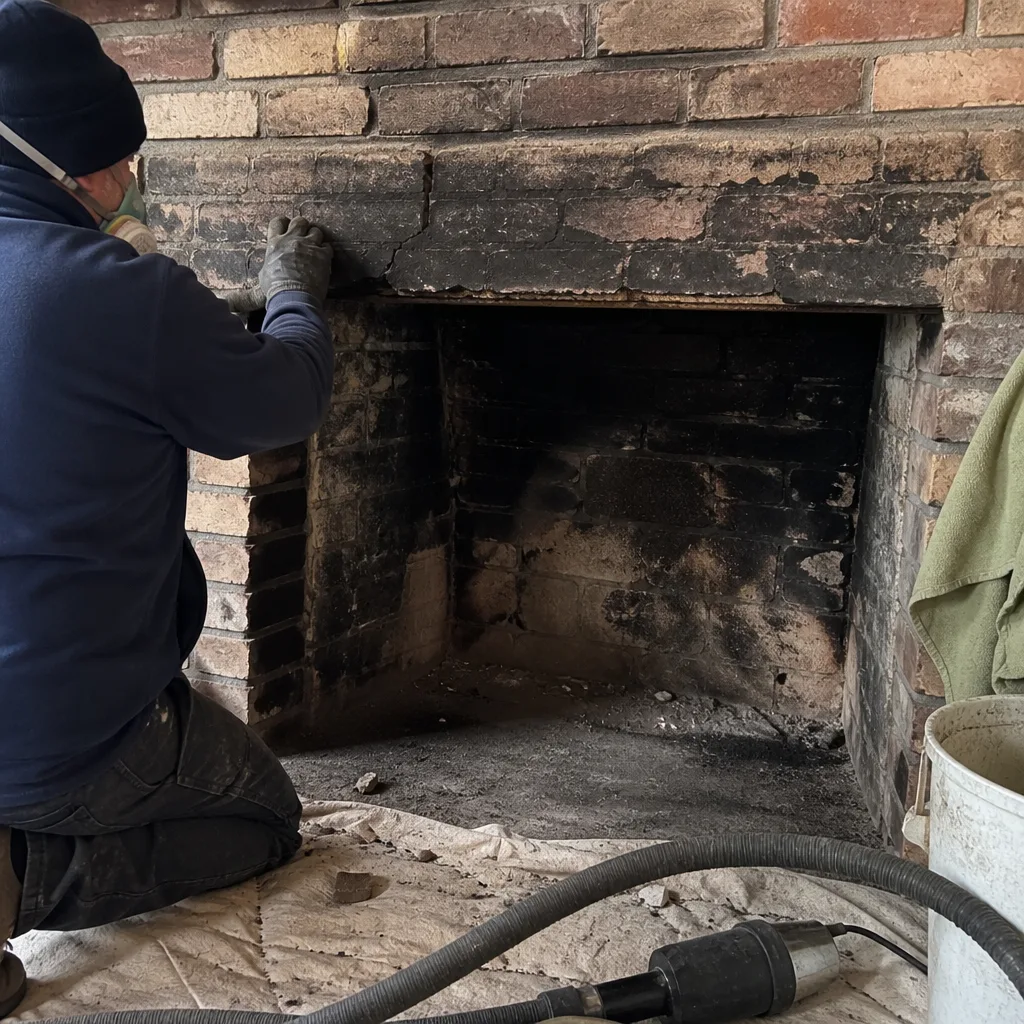
See the difference
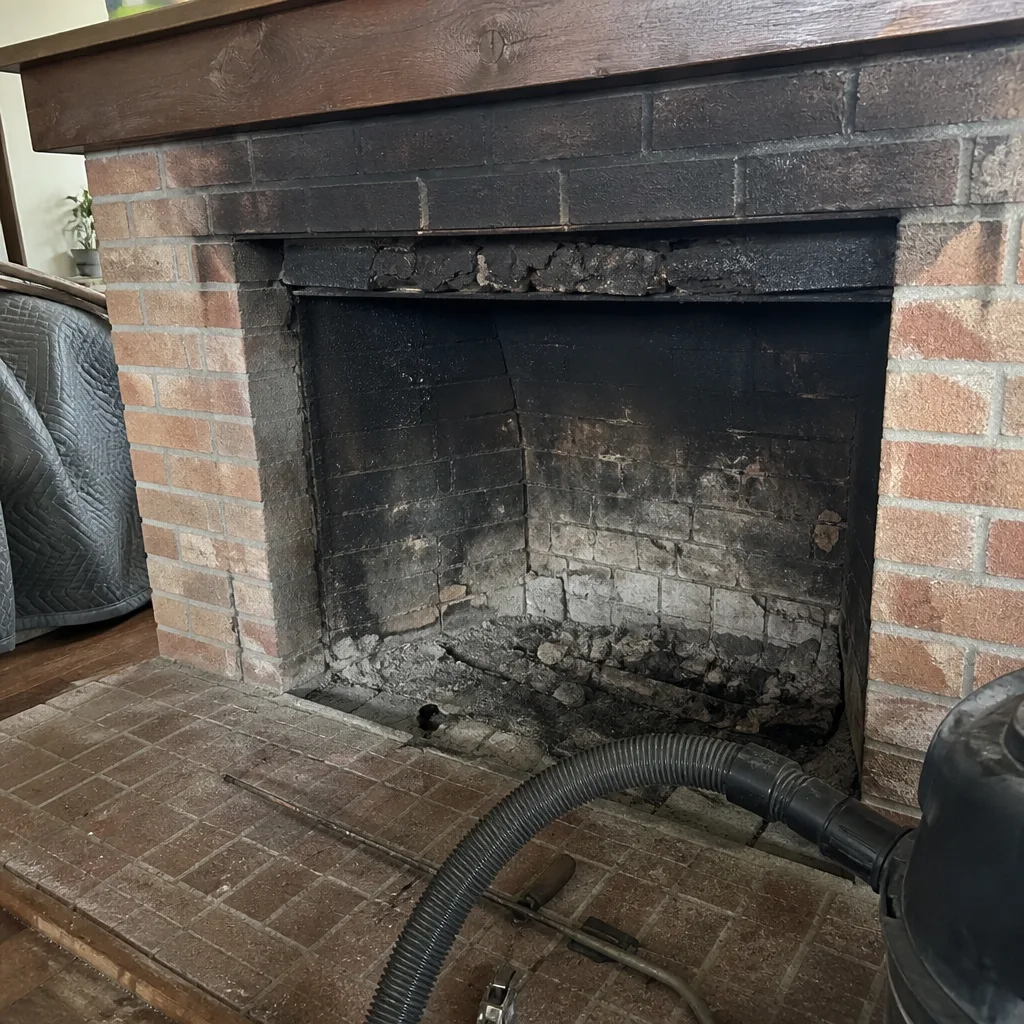 Before
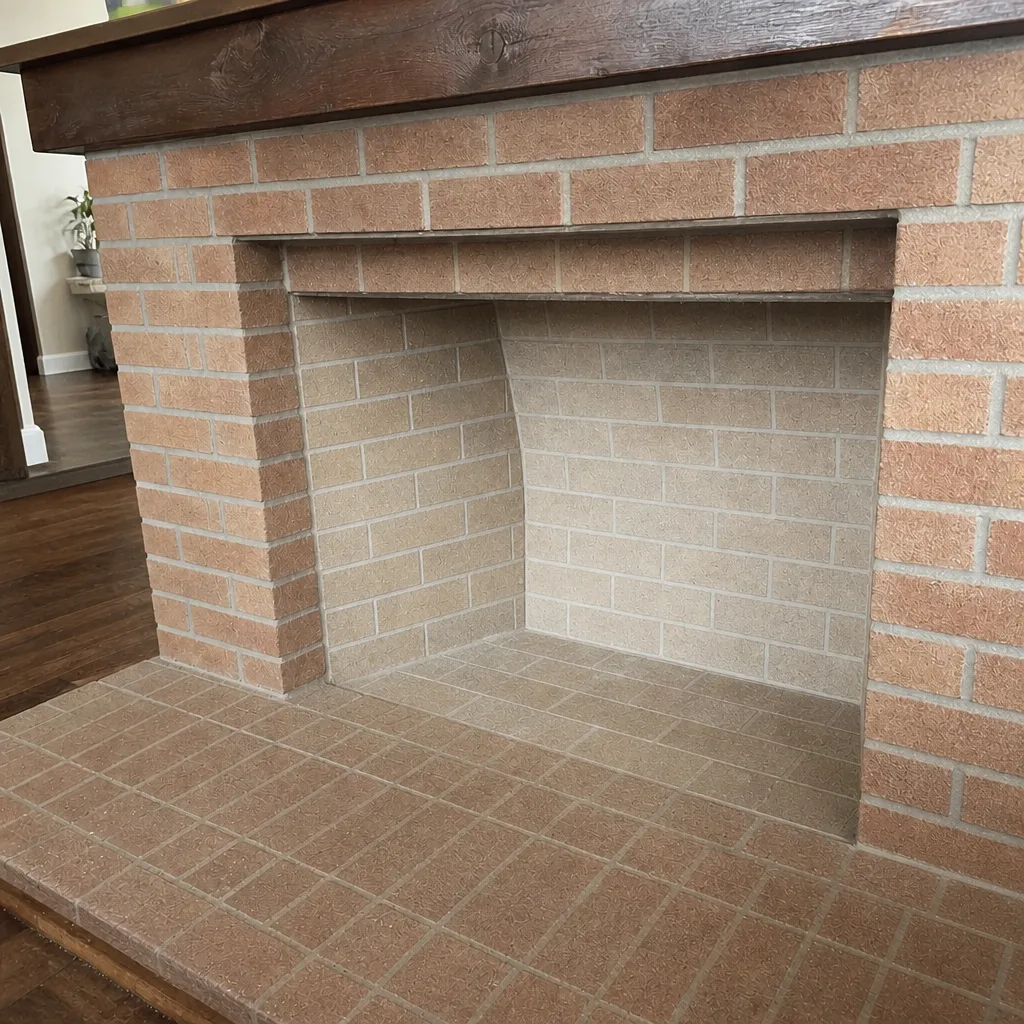 After
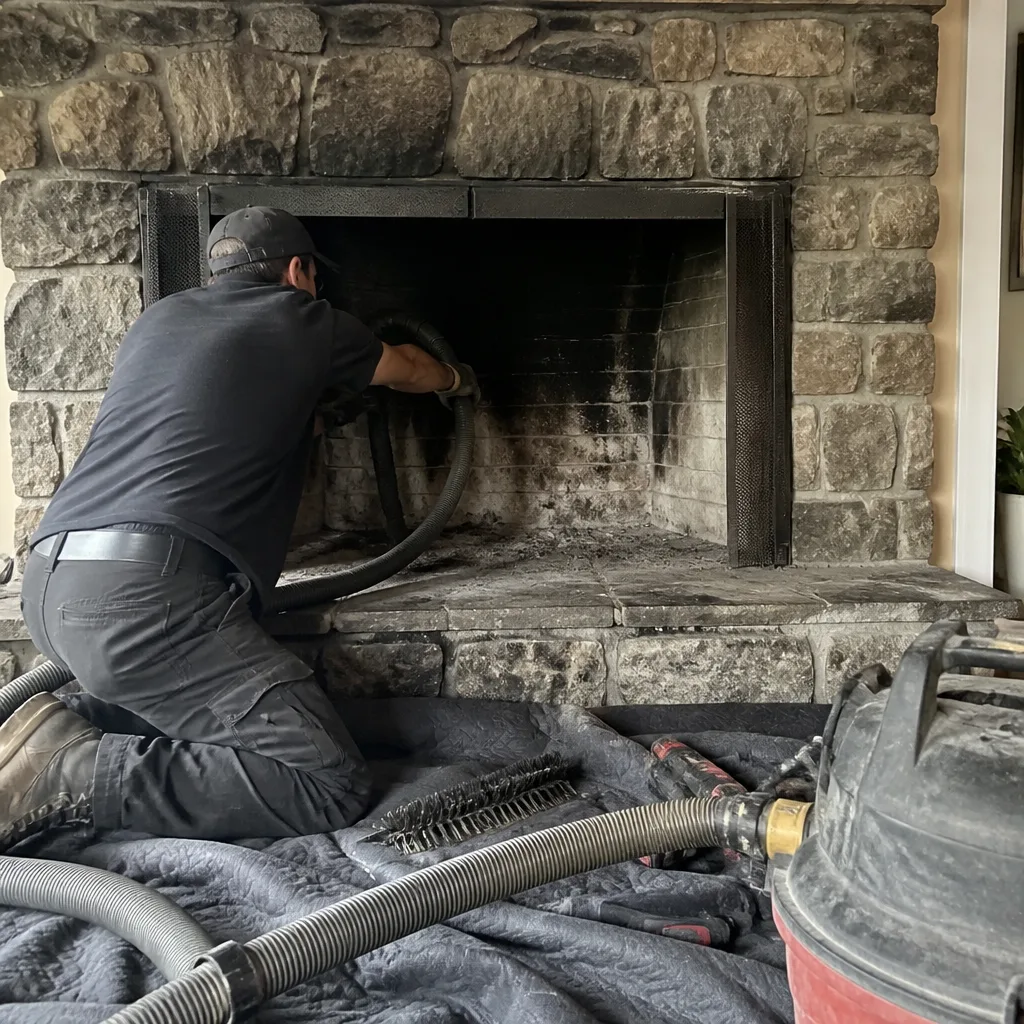 Before
 After
 Before
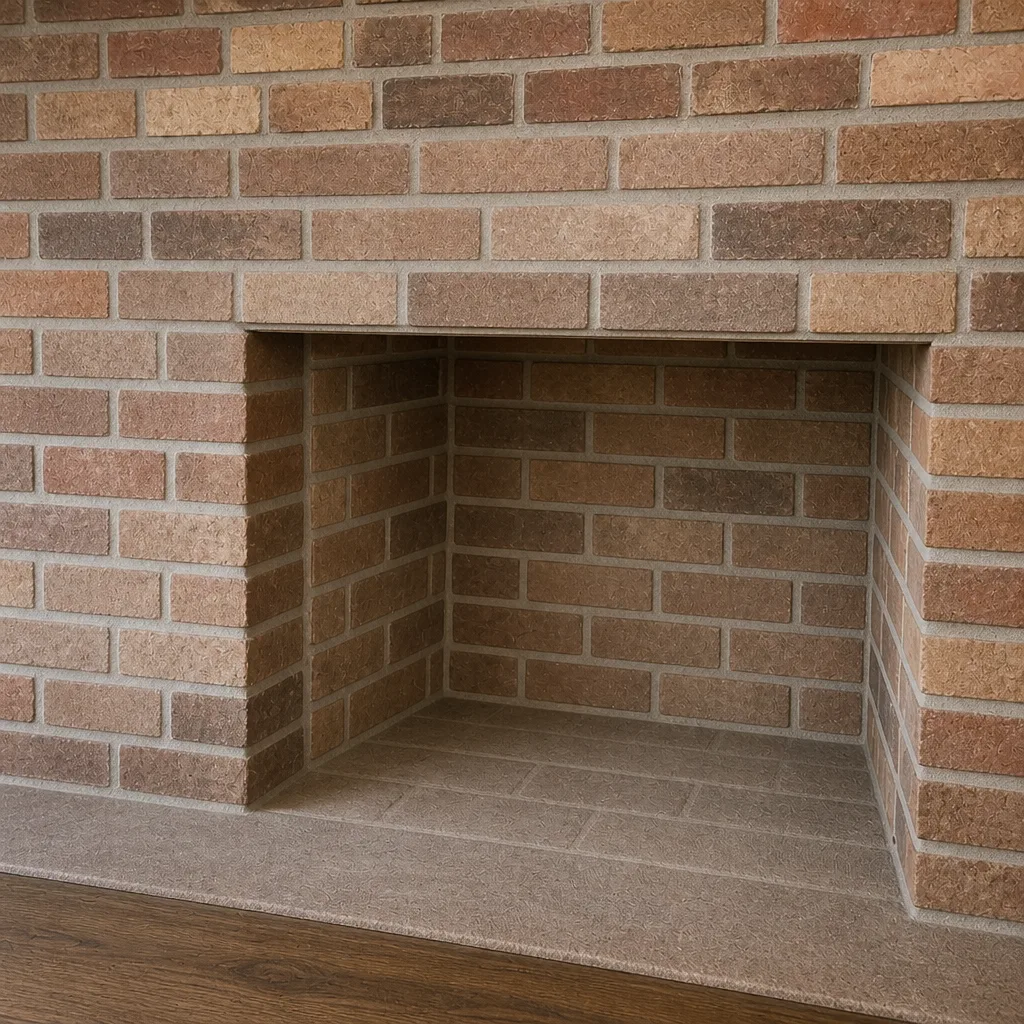 After
Common Mistakes to Avoid
- Assuming a liner replacement is “just a cleaning-scale job.” It isn’t. A liner is the structural component that protects the house from the heat of the fire, and Seattle requires a permit for its replacement. Assuming otherwise leaves you with unpermitted work on your record.
- Hiring a contractor from outside the city who doesn’t track Seattle’s amendments. Washington’s code has local additions, and Green Lake properties fall under Seattle’s. A contractor unfamiliar with the city’s requirements can under-scope a job and leave you holding the permit problem.
- Not asking for the permit number before work starts. Once the work is done, leverage is gone. Get the number in writing before the first brick is touched.
- Treating the final inspection as optional. An open permit on a house record is a documented loose end that shows up at sale, refinance, or insurance claim time. Close it.
- Skipping the photo report because the chimney “looked fine.” The photos are the documentation. Without them, “it looked fine” is a memory, not a record.
- Ignoring a cracked crown because it isn’t leaking yet. Green Lake’s wet season turns small cracks into saturation and masonry damage, which turns a small permitted repair into a large one.
- Letting a sweep do structural work without checking their scope. A sweep who’s qualified to clean a flue may not be qualified to reline it, and the permit process surfaces the difference. That’s why we take on the full scope from sweep to structural repair and pull the permits we need.
When to Call a Professional
Call a professional when the question turns from “how does it look?” to “how is it built?” That switch happens in a few situations. You’re buying or selling a house in Green Lake and the inspector flagged the chimney. Your insurer is asking for documentation on the flue or the last repair. You’ve seen staining on the chimney exterior, crumbling mortar, or a crown that’s cracking through. Your fire draws poorly or smells in ways it didn’t before. Or you’re due for an annual sweep and want a proper inspection while it’s happening.
Chimney Sweep Green Lake offers free estimates in Green Lake. Call (877) 820-8284. We answer 24/7. Fast dispatch from 7am to 7pm, Sunday through Friday. Our technicians have up to 9 years of experience, and we work with the professional-trade brands that pass code review: DuraFlex, HeatShield, Gelco, Olympia Chimney, Famco, and Copperfield.
Frequently Asked Questions
No. A routine chimney cleaning and a Level 1 visual inspection don’t require a permit in Washington. Cleaning removes soot and creosote from the existing flue; it doesn’t alter the structure, so it falls outside the permit system. If the inspection turns up a liner problem or a damaged crown, that opens a separate permit question, and the contractor doing the repair pulls that permit.
Yes. A liner replacement is a structural alteration to the flue, and Seattle’s Department of Construction and Inspections requires a permit for it. The permit should be pulled by the contractor before work starts, and it should be closed by a final inspection. Any contractor who tells you a liner replacement doesn’t need a permit in Seattle is telling you how they handle the whole job.
The AHJ is the authority having jurisdiction, the city inspector who signs off on permitted chimney work. In Green Lake, that’s Seattle’s Department of Construction and Inspections. The contractor who holds the permit schedules the inspection through the city’s system, usually with 24 to 48 hours of notice. You don’t schedule it yourself, but you should have the final sign-off in your records when it’s done.
Increasingly, yes. When a claim involves a chimney fire or carbon monoxide incident, insurers look first at whether the installation was code-compliant, and the only way to prove that is with a permit number and final inspection record. A written inspection report with photos from a qualified professional supplements that record. Keep both with your home documents.
Once a year for most wood-burning homes, and more often if you burn heavily. Green Lake’s wet climate means a chimney that sees regular winter use can build creosote quickly, and an annual sweep keeps the level manageable while putting eyes on the flue. Gas appliances need an annual inspection even though they don’t build creosote.
The work exists without a record, and that record is what insurers and future buyers check. On a claim, the insurer can argue the installation was never code-compliant, which puts coverage at risk. On a sale, an unpermitted modification can stall or reduce the deal. The city can also require that unpermitted work be removed or redone. The permit process is the cheapest protection available on a chimney job.
A like-for-like cap replacement usually doesn’t need a permit. A crown replacement or repair typically does, because the crown is part of the chimney structure. When we assess a cap or crown job, we check the scope first and tell you plainly whether a permit is required. If it is, it goes into the estimate before work starts.
The Bottom Line
Routine cleaning is permit-free. Structural chimney work, including liner replacement, crown repair, firebox work, and masonry repair, typically requires a permit through Seattle’s Department of Construction and Inspections. The permit should be pulled by the contractor, closed with a final inspection, and kept with your home records alongside a photo inspection report. For Green Lake homeowners, the practical rules are: get the sweep and inspection done annually, ask about permits before structural work starts, and never accept “you don’t need a permit for that” from a contractor without verifying it with the city. The record is the protection. Call (877) 820-8284 for a free estimate. We answer 24/7. Fast dispatch from 7am to 7pm, Sunday through Friday.
Written by the team at Chimney Sweep Green Lake.