
Last updated November 25, 2026
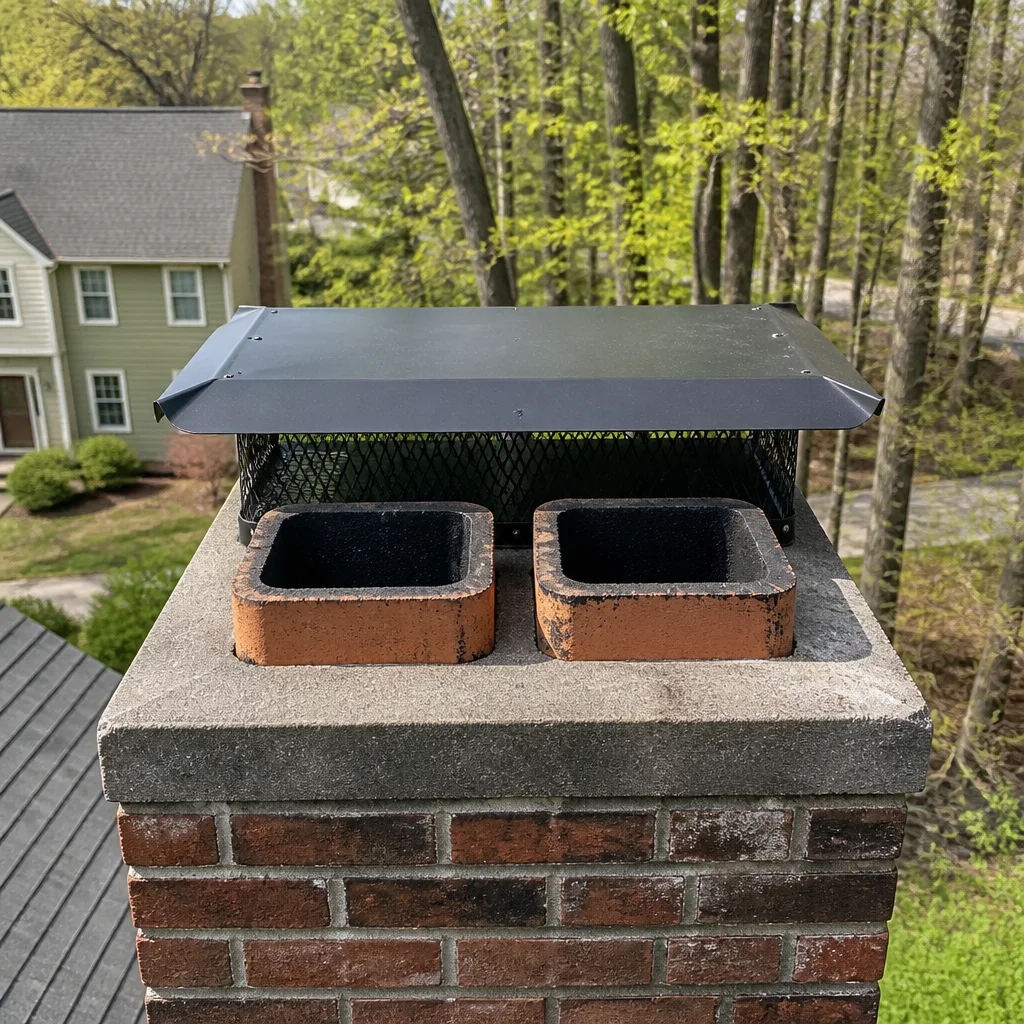 Sweep & inspection
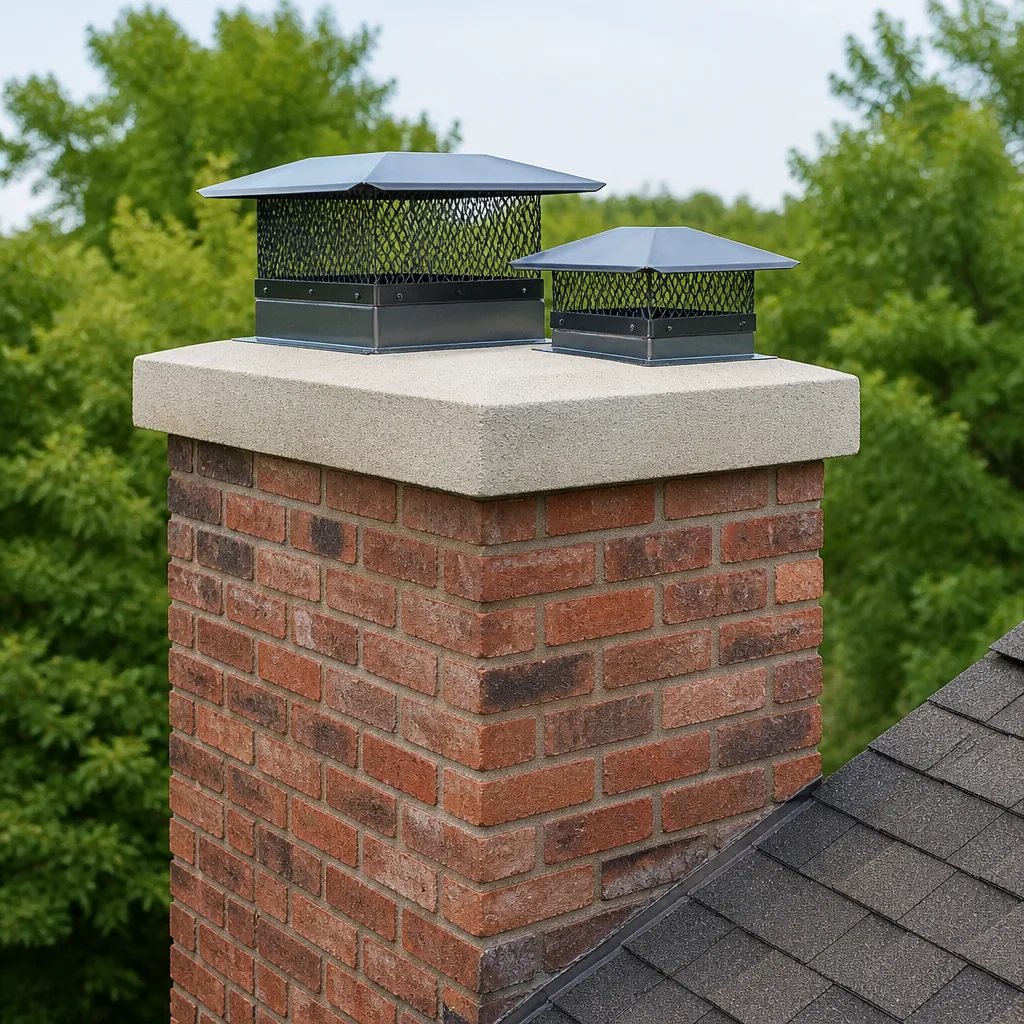 Caps & crowns
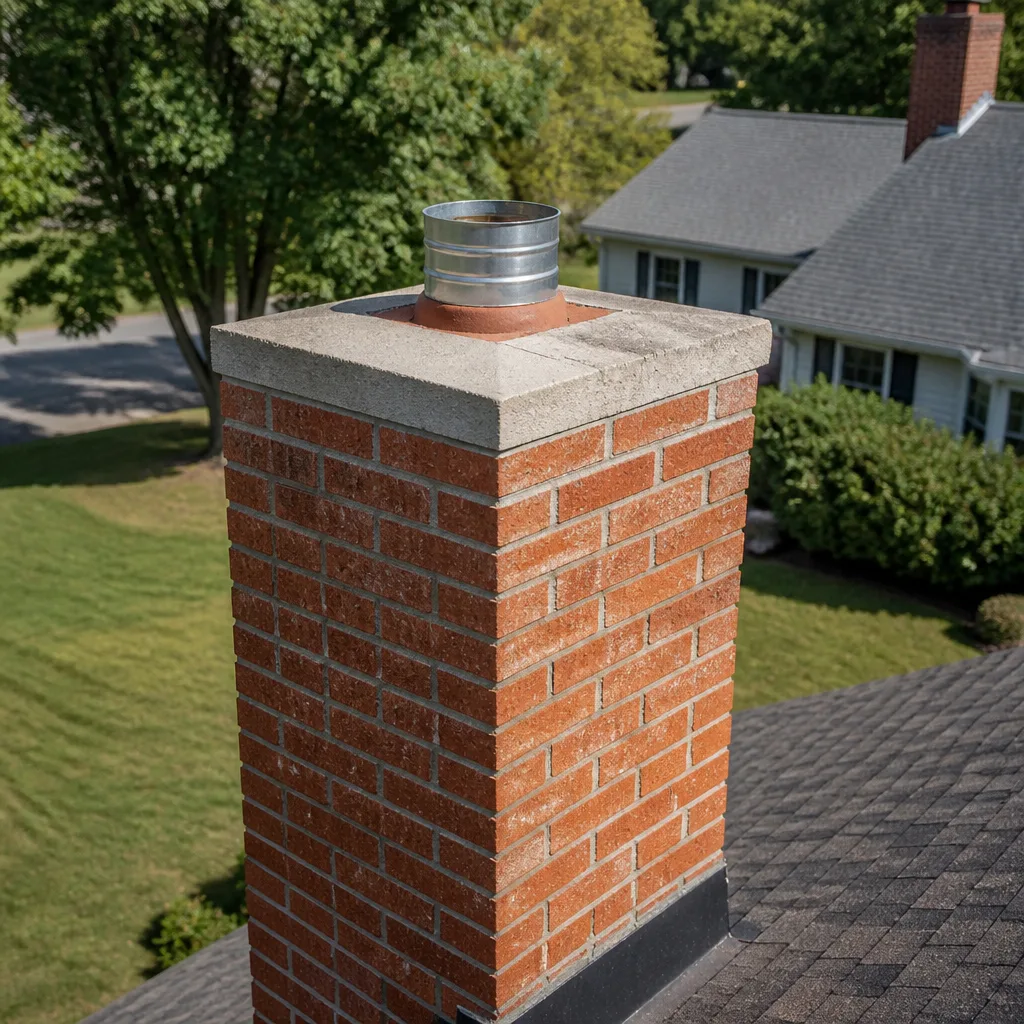 Flue relining
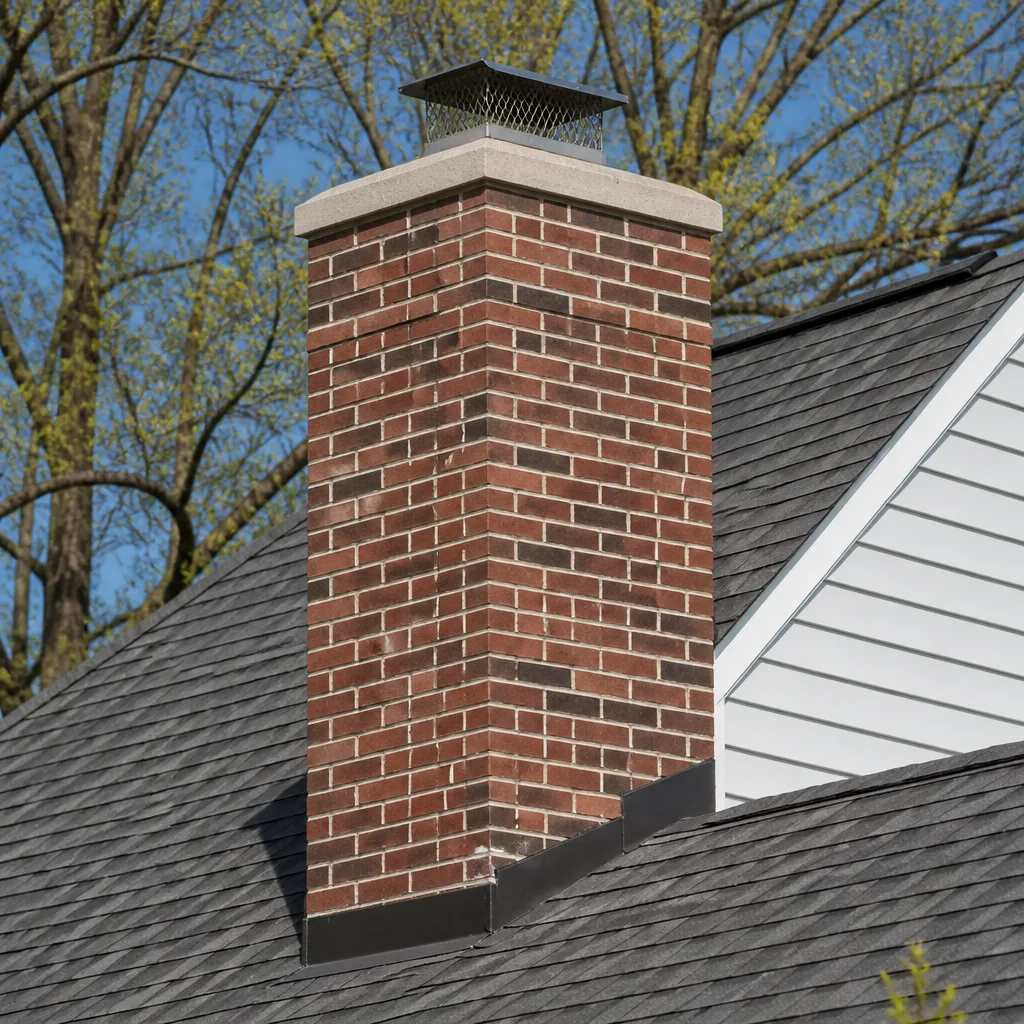 Masonry repair
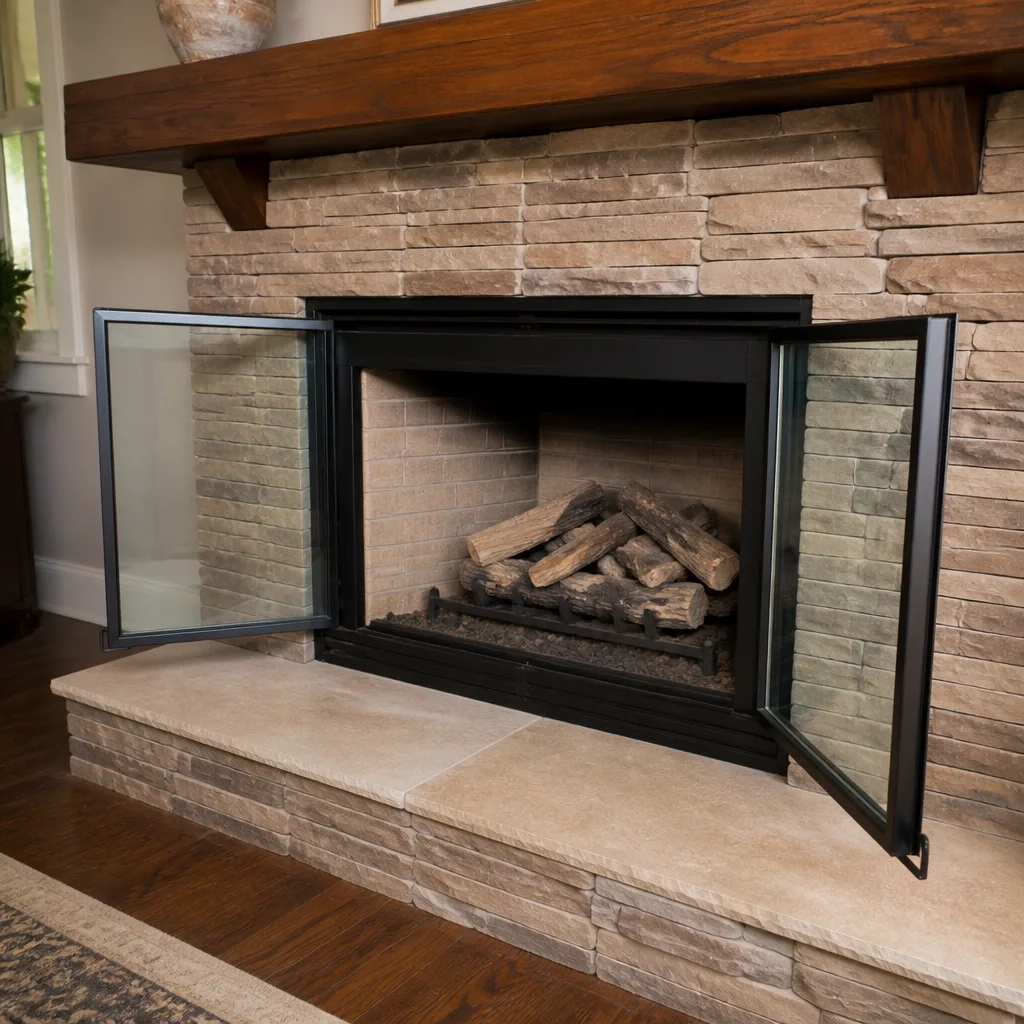 Gas fireplace service
Level 1 sweep and inspection to the NFPA 211 annual standard - flue, crown, cap, and flashing checked and photographed
Chimney sweep logs do not sweep chimneys. They loosen some creosote - which then falls where a brush and vacuum still have to collect it.
Chimney Sweep Maintenance Schedule: What to Do and When
Most homeowners treat an annual sweep as the whole plan. It isn’t. The annual inspection standard is a minimum floor, not a calendar, and a chimney used three nights a week through a Puget Sound winter builds creosote on a completely different timeline than one lit twice a month. Green Lake homes sit in a wet, mild, long-burning climate that rewards a schedule tied to how you actually use the fireplace, not to a date somebody penciled in. This guide builds that schedule month by month, covers what inspection level fits each visit, and explains where gas appliances fit. You’ll finish with a between-service checklist you can run yourself.
Quick Answer
Get a Level 1 inspection and sweep before the season starts, in late September, then a mid-season check in January if you burn more than three nights a week, and a post-season cap and crown inspection in April. Homes with a gas fireplace, insert, or wood stove need their own annual service timing, and any change in how the fire burns is a reason to move the schedule up rather than wait for the calendar.
Styles & brands we work with
- Sweep & inspection
- Caps & crowns
- Flue relining
- Masonry repair
- Gas fireplace service
Table of Contents
- Why a Calendar Beats an Annual Habit
- The Green Lake Seasonal Calendar
- How the Wood You Burn Changes the Timeline
- Level 1 vs. Level 2 Inspections: Which Fits When
- Gas Fireplaces and Inserts: The Schedule Most Guides Skip
- Your Between-Service Monthly Checklist
- Reading Creosote: What the Stages Mean for Timing
- Common Mistakes to Avoid
Why a Calendar Beats an Annual Habit
A chimney sweep removes what has already built up. A maintenance schedule stops the buildup from reaching a point where it matters. Those are two different jobs, and only one of them belongs to you. The annual inspection standard exists because most homeowners can’t see inside the flue, so a yearly look is the floor below which nobody should go. That floor doesn’t account for how often you light the fire, what you burn, or how the Pacific Northwest damp works on masonry over a long wet winter.
Green Lake sits in a climate that keeps a fire going from October well into April, sometimes into May. Damp springs and cool falls mean chimneys run wet for more of the year than a homeowner in a drier climate would expect. Wet wood, cool flue temperatures, and a slow-burning fire all push creosote formation faster than the annual habit predicts. Add a wood-burning insert, which runs hotter and concentrates heat in the flue, and the timeline compresses further.
The core idea: the calendar sets the review points. Your own use patterns and burning habits decide whether you move up between them. A Green Lake homeowner burning dry seasoned wood every other week can hold an annual schedule. The same homeowner burning a mix of green and dry wood three nights a week through January should not.
We’ve seen this pattern often enough to say it plainly: the homes that get by on one sweep a year are the ones that burn light. The ones that burn hard need more touches, and the schedule should reflect that rather than treating every chimney identically.
The Green Lake Seasonal Calendar
Here’s the schedule we recommend for Green Lake, tied to the way the seasons actually run here. Treat it as the baseline and adjust up based on your own use.
- September – pre-season inspection and sweep. Before the first fire, get a Level 1 inspection and a sweep. This clears last season’s buildup, confirms the cap and crown are intact after summer storms, and gives you a clean starting point. If the inspection turns up deterioration, you have time to schedule chimney repair before the rains settle in.
- October through December – burn season begins. No scheduled visit, but run the monthly checklist in this guide. If the fire feels sluggish or you smell smoke in the room, call rather than wait for the January check.
- January – mid-season check for heavy users. If you burn three or more nights a week, a mid-season inspection is worth the visit. This is where the seasonal calendar separates from a simple annual habit. Light users can skip this one.
- February through March – the hard stretch. Long wet weeks push creosote buildup. Watch for glazing and any change in the draft. If you haven’t had a mid-season check, this is the time to act.
- April – post-season cap and crown inspection. Once the season winds down, have the chimney cap & crown checked. Winter storms push water against masonry, and a cracked crown or loose cap lets it in where it does the most damage. This is also the ideal window to schedule any restoration work before the next season.
- May through August – repair window. Any structural work, relining, or resurfacing discovered during inspections gets done in the dry months. This is where DuraFlex liner installation and HeatShield resurfacing belong on the calendar.
The seasonal calendar works because it matches when the work can safely be done and when the chimney is under the most stress. A Green Lake chimney getting a pre-season sweep and a post-season crown inspection covers both ends of the burning year.
How the Wood You Burn Changes the Timeline
The single biggest variable in any schedule is what goes into the firebox. Dry, seasoned hardwood burns hot and clean. Green or mixed wood burns cool and wet, and cool fires deposit far more creosote per cord than hot ones. In Puget Sound winters, when the outside air is damp and the chimney runs at lower temperatures, that effect compounds. The calendar that works for dry wood doesn’t work for a homeowner burning green or mixed wood, even if the number of fires is identical.
What that means in practice for a Green Lake home:
- Burning dry, seasoned firewood: the annual schedule holds, and the mid-season January check is optional for moderate use.
- Burning a mix of dry and green wood: move the mid-season check up to December, and treat the pre-season sweep as mandatory rather than optional.
- Burning green or unseasoned wood regularly: expect faster Stage 2 creosote formation, and check monthly rather than quarterly. This is the case where the calendar falls apart fastest.
- Burning manufactured logs or a wood stove on a lower burn setting: similar effect to green wood. Cooler burns deposit more. Adjust up.
We mention this because most maintenance advice treats all wood as equal. It isn’t, and the difference is measurable inside the flue. A homeowner who kept a strict annual schedule for years and then switched to a greener wood supply will see the buildup change before the calendar tells them anything is different.
Level 1 vs. Level 2 Inspections: Which Fits When
Not every inspection is the same visit. A Level 1 inspection is a visual check of the readily accessible parts of the chimney and firebox, done with standard tools. A Level 2 inspection adds a camera run through the flue and is the level that finds hidden deterioration, liner cracks, or problems in sections you can’t see from the firebox. The schedule should specify which level each visit calls for.
Level 1 fits the routine visits: the September pre-season inspection, the January mid-season check for a chimney that’s been maintained on schedule, and the April post-season cap and crown review. These are continuity checks on a chimney whose condition you already know.
Level 2 fits these situations:
- Any change in the appliance, fuel type, or how the fire burns
- After a chimney fire, even a small one
- After an earthquake, a storm, or any event that could have shifted the structure
- A property that’s changing hands, or a chimney with no maintenance history
- A blockoff or reline job, or any repair that changes the flue
- Symptoms you can’t explain – smoke in the room, a smell that won’t clear, or a draft that used to work and now doesn’t
In Green Lake, where a lot of homes have older masonry chimneys with inserts added later, a Level 2 inspection is often the visit that reveals whether the insert installation left the flue properly sized and lined. That’s not visible from the firebox, and it’s exactly the kind of problem an annual Level 1 won’t catch.
Gas Fireplaces and Inserts: The Schedule Most Guides Skip
Gas appliances don’t produce creosote, and they don’t produce the same soot a wood fire does. That doesn’t mean they’re maintenance-free. A gas fireplace still has a flue, still needs ventilation confirmed, and still needs its components checked for the wear that comes with a long heating season. The schedule most sweep-focused content leaves out is the gas schedule, and Green Lake has plenty of homes running gas inserts as their primary heat.
The gas calendar looks like this:
- Pre-season, September or October: a service visit that checks the burner, the pilot assembly, the venting, and the glass. This is the gas equivalent of the pre-season sweep.
- Mid-season, January: a visual check of the flame pattern and any change in how the unit lights or runs. Most problems with a gas insert show first as a change in the flame, not a failure.
- Post-season, April: a full inspection of the venting and termination, plus a check of the cap. Gas appliances still vent, and a blocked or deteriorated vent is the concern, not creosote.
The common mistake with gas is assuming no sweep means no maintenance. A gas fireplace that hasn’t been serviced in years can still have venting problems, a worn burner, or debris in the flue from birds or a failed cap. Our advice for Green Lake gas-fireplace owners is the same as for wood: keep the annual schedule, just change what the visit covers.
Your Between-Service Monthly Checklist
You can’t inspect the inside of the flue. You can watch the firebox and the fire itself, and those signals tell you when the schedule should move up. Run this monthly during burning season.
- Look at the inside walls of the firebox. A rough, black, or glossy coating on the firebox walls or the damper is a signal the schedule should move up. Glossy is the one to act on quickly.
- Watch the color of the smoke. Thick grey or black smoke out of the chimney on a normal fire means the fire is running cool or the wood is wet. Both accelerate buildup.
- Check the draft. If the fire is slow to start, smokes into the room when you open the door, or the smell of smoke lingers inside, the flue is telling you something. Call before the next scheduled visit.
- Listen and smell. A low rumble or a sound like a distant train isn’t normal – stop using the fireplace and call. A persistent creosote smell in a room with no fire is another reason to book an inspection.
- Inspect the cap from the ground. A loose, tilted, or missing cap lets water and animals in. This is the kind of problem we catch from a ladder, but you can see it from the yard.
- Check the crown for cracks. A cracked crown routes water into the masonry, and that water finds the flue. We check this every April; a homeowner noting a new crack in November should book a chimney sweep and inspection before the season.
Any two checklist items going wrong at once is your signal to move the schedule up rather than wait for the calendar. One alone is worth a call. What it isn’t worth is ignoring until spring.
Reading Creosote: What the Stages Mean for Timing
Creosote forms in three stages, and the stage tells you how urgent the schedule change is. Stage 1 is a light, flaky deposit that a normal sweep removes. Stage 2 is a thicker, crusty or tar-like layer that a sweep can usually still handle but that signals the fire has been burning cool. Stage 3 is glazed and hard, and it’s the one that carries real fire risk. A Stage 3 deposit is what our technicians look for first inside a Green Lake flue.
Three things push a chimney toward Stage 2 and Stage 3 faster than the calendar predicts:
- Burning green or mixed wood, which is the biggest variable
- Running the fire cool and slow for long stretches, which deposits more per cord than a hot fire
- A flue that’s undersized for the appliance, or has been compromised by a cracked liner or deteriorated masonry
We don’t give you a blind estimate on what stage your chimney’s at. We run a camera through the flue, show you the picture, and explain what the buildup means. That’s the difference between a sweep that tells you what you need and one that tells you what you want to hear. Nothing is recommended without the camera evidence in front of you, and if the buildup can safely wait until the pre-season sweep, we’ll say so. The written estimate sets the price, per job, before any work is booked.
Our technicians have up to 9 years of experience reading chimneys in this climate, which is why the monthly checklist above is calibrated to Green Lake rather than to a generic climate profile. The buildup pattern here is specific to damp winters and long burn seasons, and the schedule should match.
Common Mistakes to Avoid
- Treating one annual sweep as the full schedule. It’s the floor. Heavy users and green wood burners need the January check, and gas owners get more out of a service visit than a sweep alone.
- Skipping the April cap and crown inspection. Most Green Lake chimney damage we see starts with water, not fire. A cracked crown from a winter storm routes water straight into the masonry.
- Assuming gas means no maintenance. A gas insert still vents, still wears, and still needs its venting checked once a year.
- Letting a Stage 2 deposit sit until next season. Buildup compounds. The stage the flue is in now sets the timeline, not the calendar in your head.
- Burning green wood and holding the annual habit anyway. If your wood is wetter than you thought, the calendar should move up. Green Lake’s damp fall wood is a common culprit.
- Booking the sweep without asking about the level of inspection. A Level 1 is fine for a routine visit; a changed appliance, a chimney fire, or an unexplained symptom calls for a Level 2 with a camera.
- Coordinating a sweep and a separate repair contractor. When the sweep finds a liner problem, you don’t want to hunt for a second company. From annual inspection to full flue restoration, we cover the whole lifecycle under one roof.
See the difference
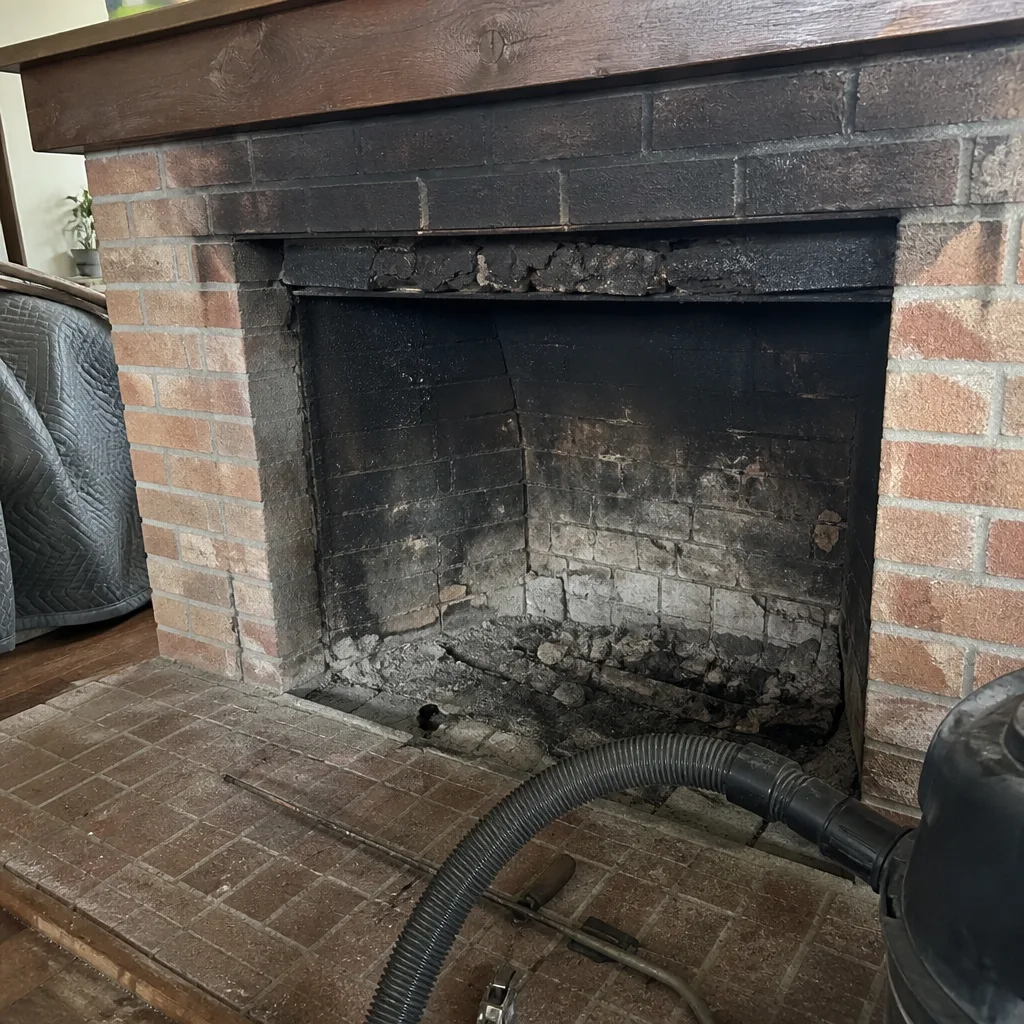 Before
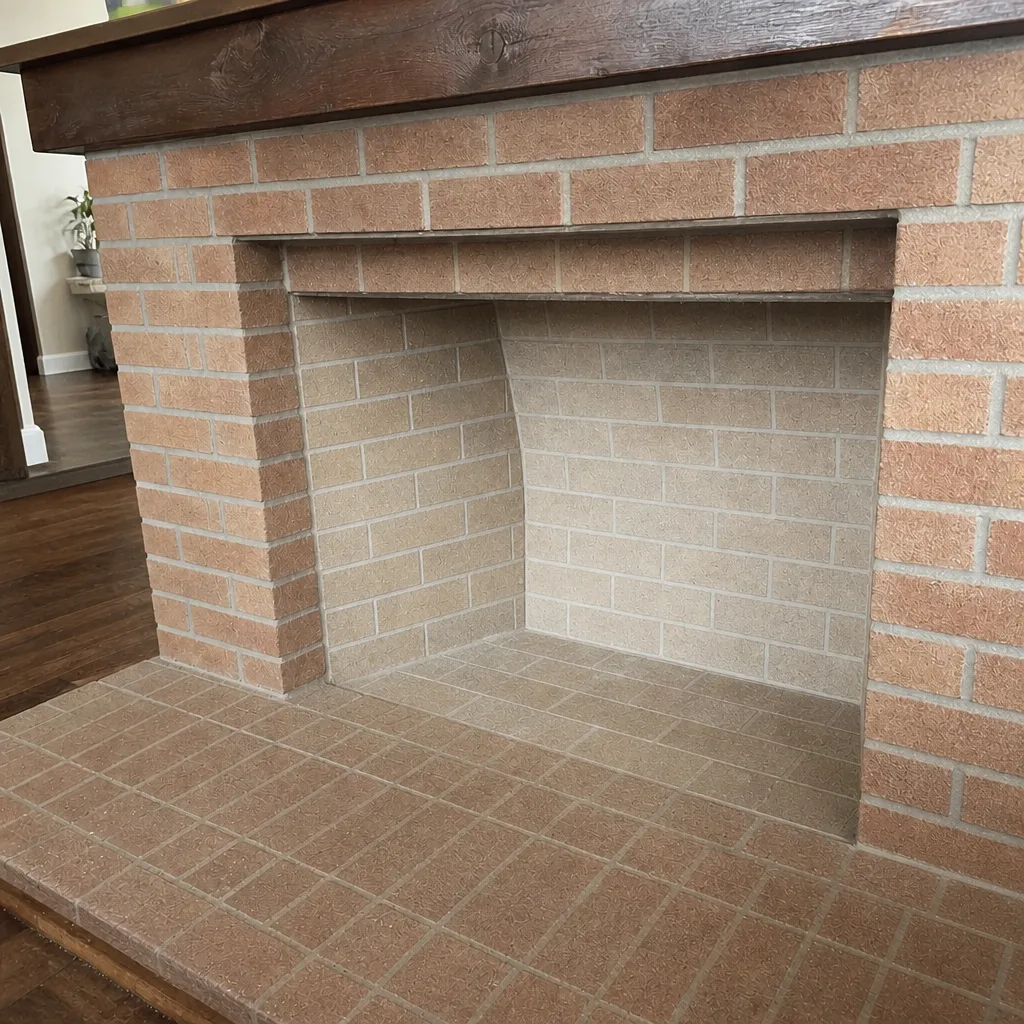 After
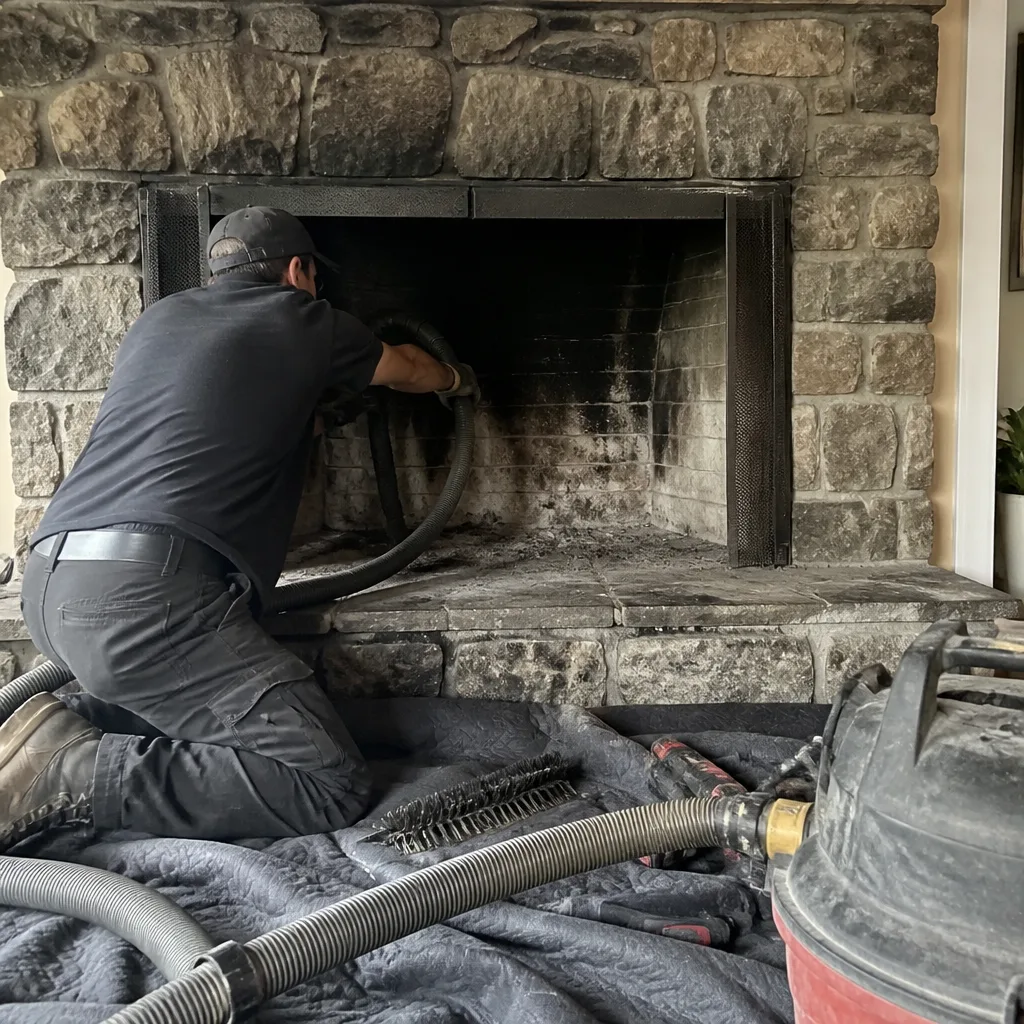 Before
 After
 Before
 After
When to Call a Professional
Call a professional the moment any of the following shows up:
- A chimney fire, or a rumble or roar that sounds like one
- Smoke rolling back into the room when the fire is going
- A persistent creosote smell in a room with no fire
- Visible glazing or heavy black coating inside the firebox
- A cracked crown, a loose or missing cap, or new staining on the masonry
- Any change in the appliance or fuel type, which calls for a Level 2 inspection
- A chimney with no maintenance history, or after an earthquake or major storm
Chimney Sweep Green Lake offers free estimates in Green Lake – call (877) 820-8284. We run a camera, show you what the flue looks like, and give you a written estimate before any work is booked. If the answer is “wait until the pre-season sweep,” we’ll tell you that too. Gas and wood appliances both fall within what we inspect, sweep, and repair.
Frequently Asked Questions
Once a year is the minimum for a wood-burning chimney, with a mid-season check in January if you burn three or more nights a week. Homes burning green or mixed wood, or running a wood stove at a low burn, should move to a monthly watch and a faster sweep timeline. Call (877) 820-8284 for an exact quote on your Green Lake home – estimates are free.
September, before the first fire, and again in April for the cap and crown check. September gives you a clean start with time to schedule repairs before the wet season, and April catches any damage from winter storms. A January mid-season check fits between them for heavy users. Call (877) 820-8284 to book a September pre-season visit.
Level 1 fits the routine visits – pre-season, mid-season, and post-season. Level 2 with a camera fits any change in appliance or fuel, after a chimney fire, after a storm or earthquake, before a real estate transaction, or when you can’t explain a symptom like smoke in the room. Call (877) 820-8284 if you’re not sure which fits, and we’ll talk it through.
Sweeping is priced per job by the written estimate, not by a flat annual fee, and the estimate is free. The written estimate sets the final price before any work is booked, and nothing beyond routine sweeping is recommended unless the camera shows it. Call (877) 820-8284 for an exact quote on your chimney.
No – a gas fireplace doesn’t produce creosote, so the visit is a service check rather than a sweep. It still needs its venting, burner, and cap checked annually, on the same September and April rhythm. Call (877) 820-8284 to book a gas service visit for your Green Lake home.
A liner recommendation should come with camera evidence you can look at yourself, not a verbal pitch. A liner is warranted when the existing one is cracked, deteriorated, or undersized for the appliance, and we show you the picture before any estimate. We install DuraFlex liners, and we’ll also tell you when a repair can safely wait. Call (877) 820-8284 for a camera inspection and a written estimate.
The Bottom Line
The annual sweep is a minimum, not a plan. A Green Lake schedule runs September pre-season sweep, a January mid-season check if you burn heavy, and an April cap and crown inspection – with a monthly watch of the firebox between visits. The wood you burn changes the timeline, often faster than the calendar predicts. Gas appliances follow their own service rhythm, not a sweep. And every recommendation that goes beyond a routine sweep should come with camera evidence you can see. That’s the difference between a maintenance schedule and a bill you can’t verify – and it’s why we handle the whole chimney, from sweep to reline, under one company. If you want your schedule built around how you actually use the fire, call (877) 820-8284. We answer 24/7. Fast dispatch from 7am to 7pm, Sunday through Friday.
Written by the team at Chimney Sweep Green Lake.