
Last updated November 25, 2026
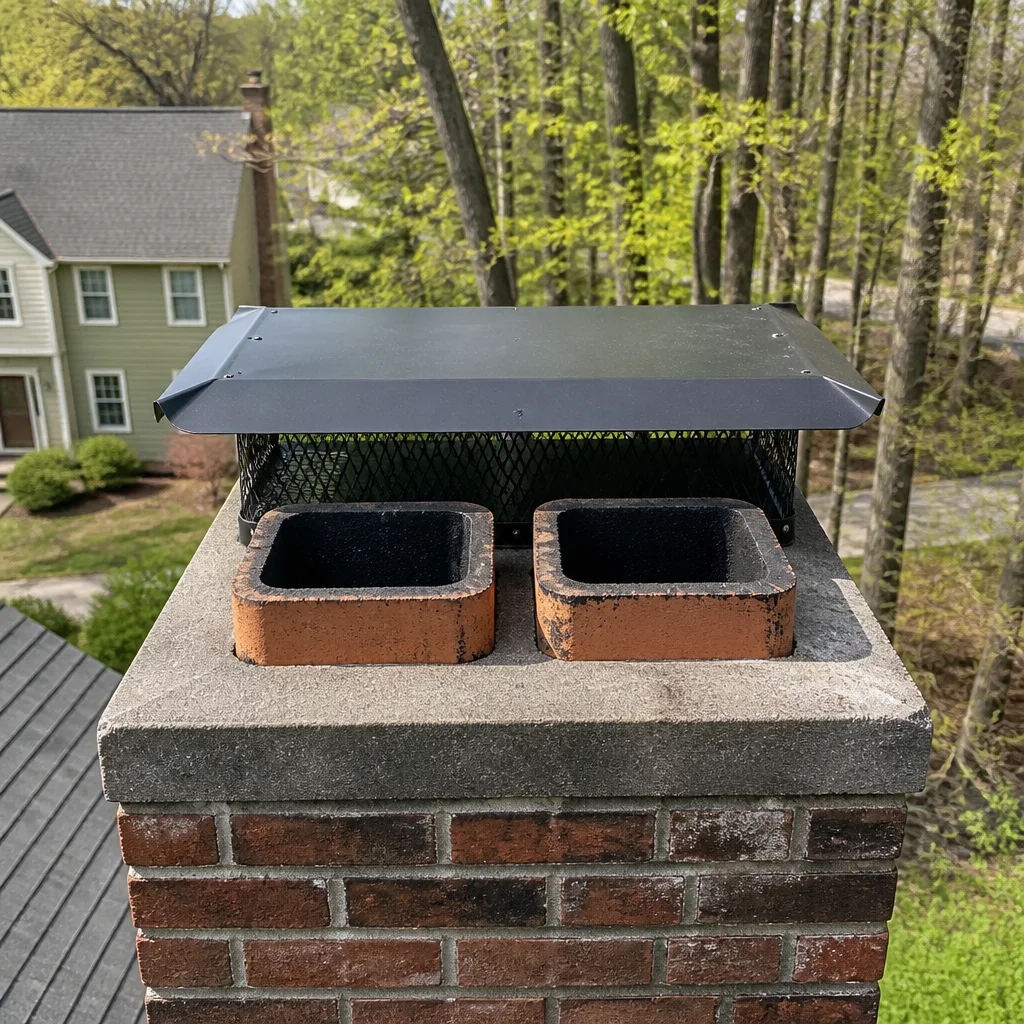 Sweep & inspection
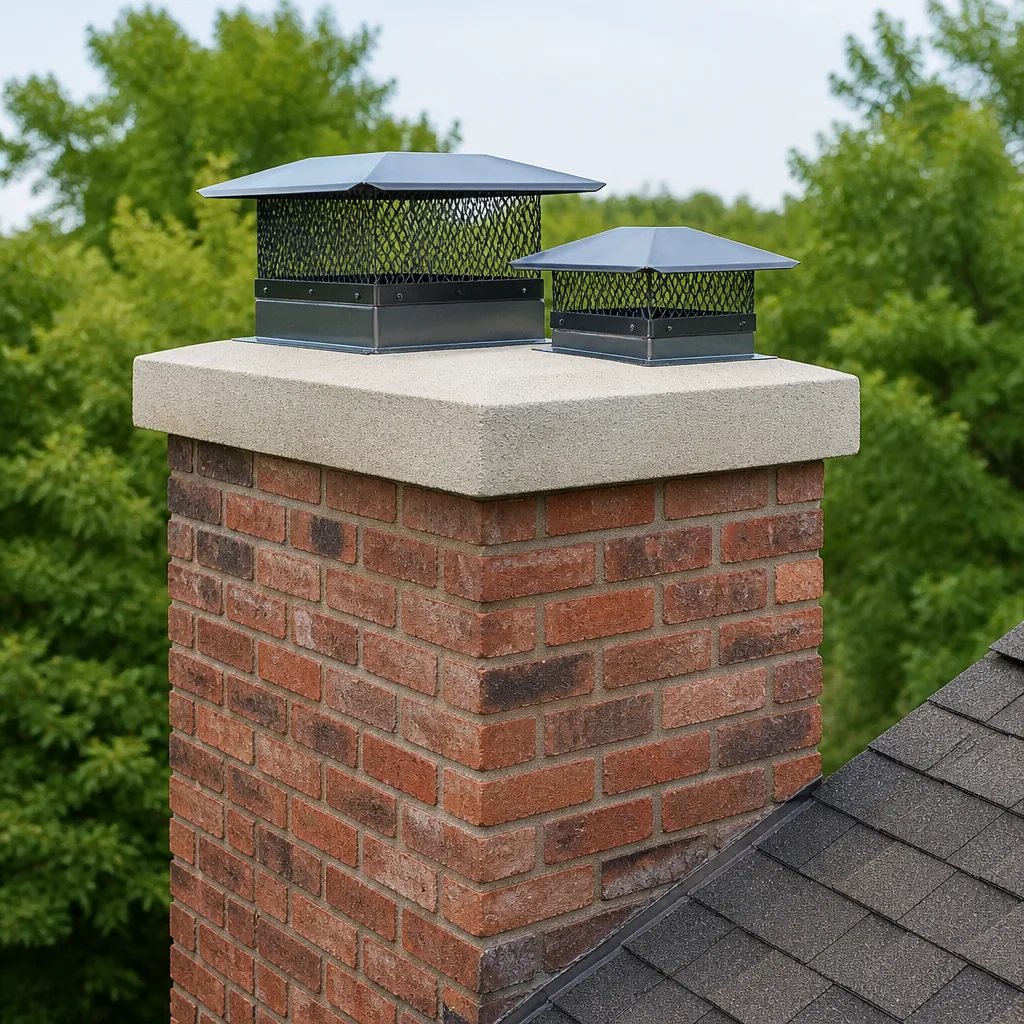 Caps & crowns
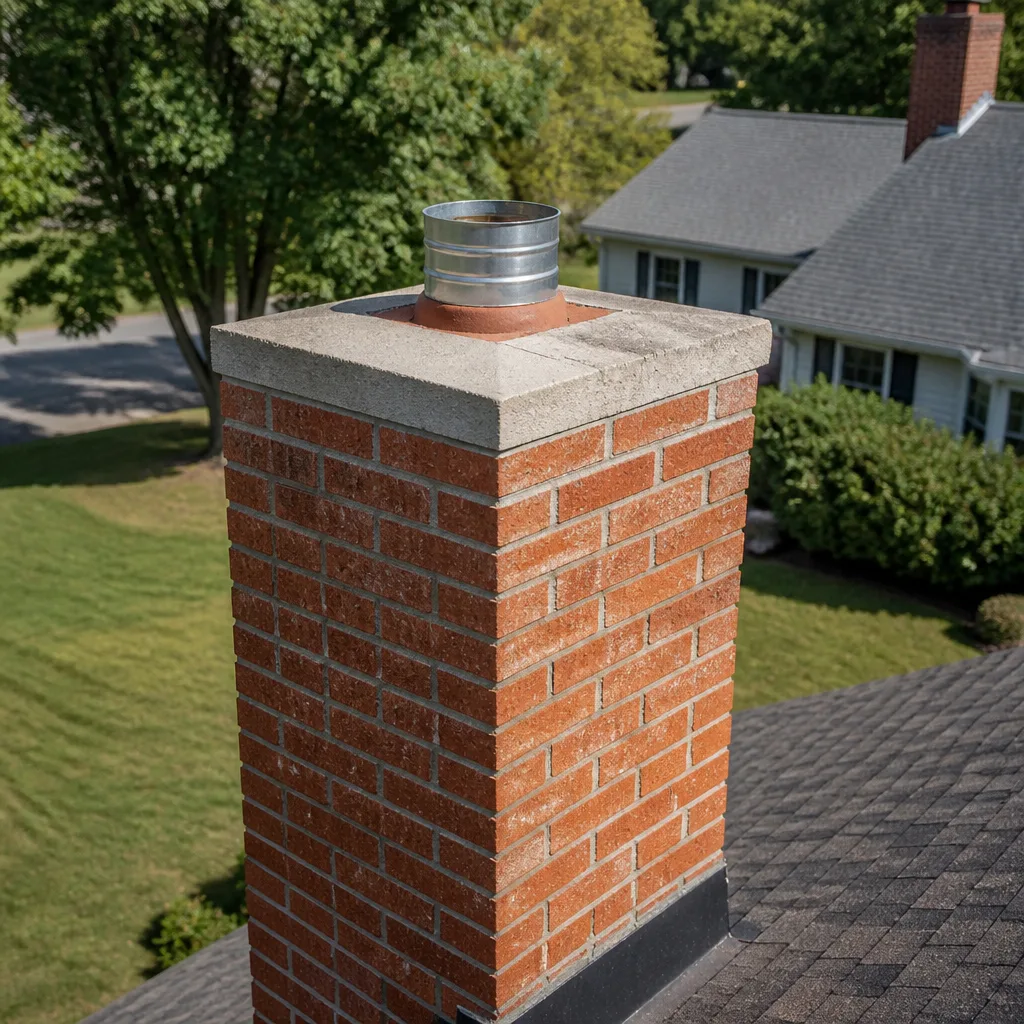 Flue relining
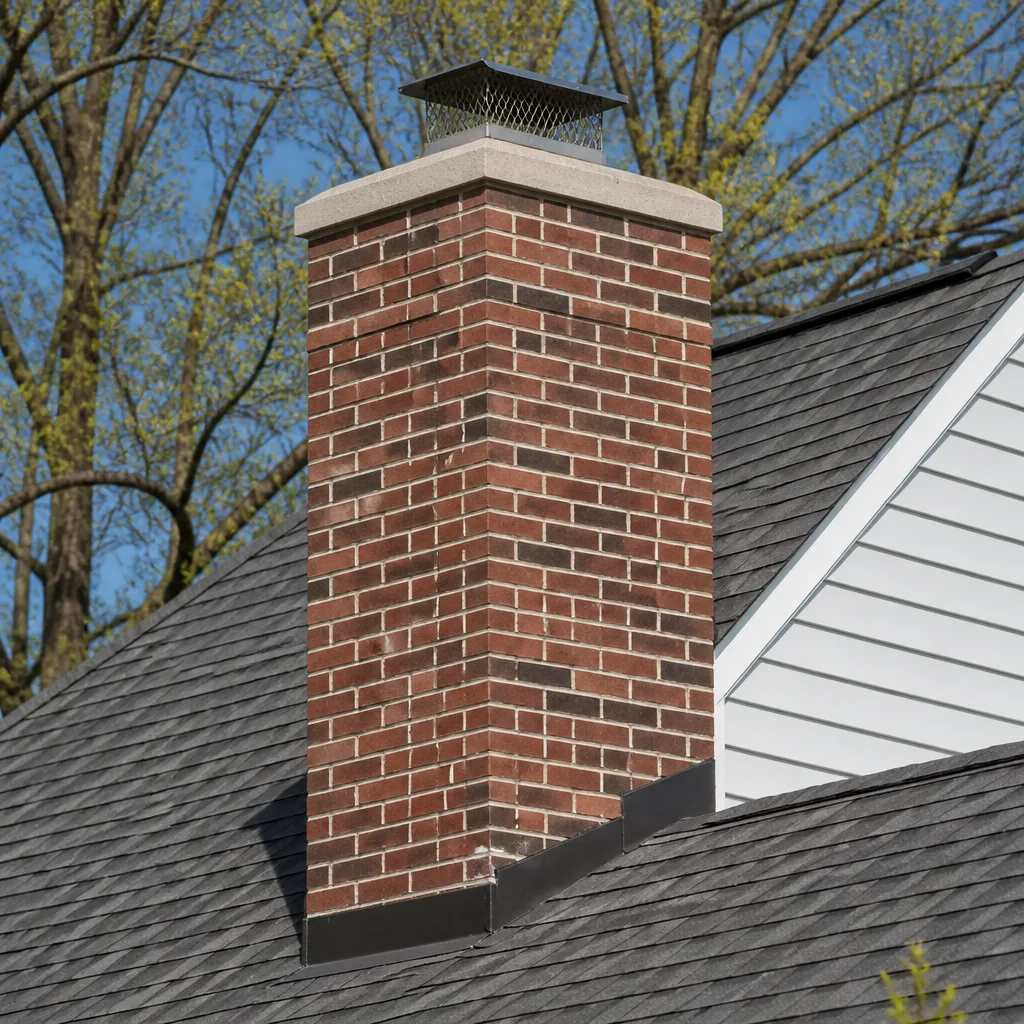 Masonry repair
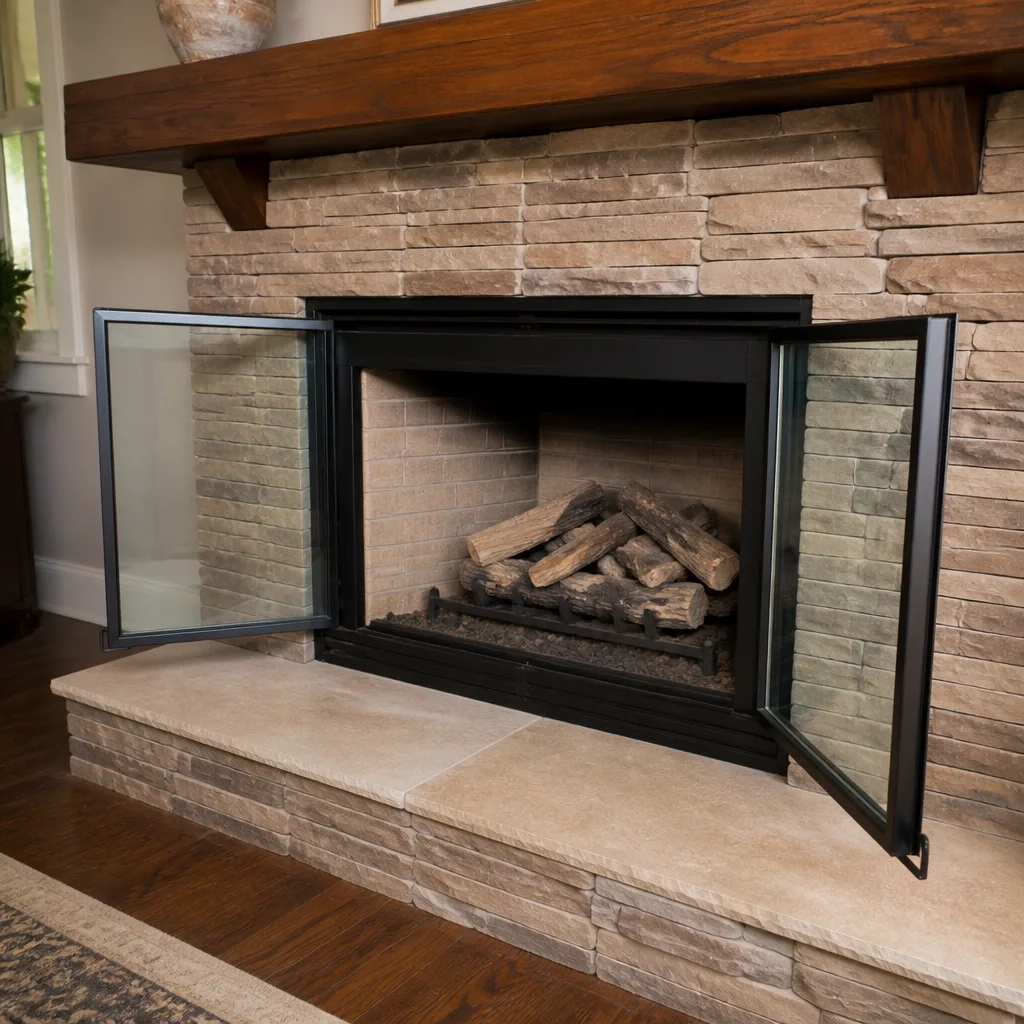 Gas fireplace service
Level 1 sweep and inspection to the NFPA 211 annual standard - flue, crown, cap, and flashing checked and photographed
Chimney sweep logs do not sweep chimneys. They loosen some creosote - which then falls where a brush and vacuum still have to collect it.
Chimney Cleaning Warning Signs: A Green Lake Homeowner’s Reference Guide
A strong smoke smell in a room with the fireplace damper closed is not a draft problem. It usually means the flue is blocked, coated with creosote, or that the pressure balance inside the house has shifted, and each of those has a different fix and a different level of urgency. Most homeowners miss the signal because they’re listening for the wrong thing. They expect fire, they expect obvious danger, and so they overlook the smell, the sound, the stain, the hairline crack in the crown. This guide pairs each warning sign you can actually observe from inside your Green Lake home with its probable cause and its real urgency.
Quick Answer
Chimney cleaning warning signs in a Green Lake home include smoke backing into the room, a sour or ashy smell even with the fireplace unused, dark staining at the firebox or damper, a rusted or loose cap, cracked masonry or white powdery bloom on exterior brick, and a draft that has suddenly gotten quieter or louder. Any of these means the chimney needs inspection before the next fire. Three signs mean stop using the fireplace now: visible black glaze inside the flue, smoke that fills the room mid-burn, and any smell of combustion gas in living space.
Styles & brands we work with
- Sweep & inspection
- Caps & crowns
- Flue relining
- Masonry repair
- Gas fireplace service
Table of Contents
- Smoke at Startup vs. Smoke Mid-Burn: What Each One Tells You
- What Creosote Smells Like in Summer vs. Winter
- Exterior Signs That Point to Internal Problems
- Why a Quieter or Louder Draft Is a Real Clue
- Signs You Can See and Smell From Inside the House
- Monitor-and-Schedule vs. Stop Using It Now
- How Green Lake Weather Shapes Chimney Wear
- What a Real Chimney Sweep Checks
Smoke at Startup vs. Smoke Mid-Burn: What Each One Tells You
Smoke that rolls into the room as you light the fire is common and usually benign. Smoke that appears twenty or thirty minutes into a good burn is a different animal and needs attention fast.
Startup smoke comes from a cold flue. Warm air hasn’t started rising yet, so the chimney isn’t pulling. Many fireplaces need a pre-heat step with a rolled newspaper torch or a length of lit kindling held near the damper to prime the draft. If the fireplace has always done this and stops once the fire takes hold, the chimney is probably fine, and the fix is technique, not cleaning. Persistent startup smoke that used to be fine and now isn’t is worth a look, because a partially blocked flue can still draw just enough to fool you at first.
Mid-burn smoke is almost always one of four things:
- Blockage. A nest, a collapsed flue tile, or heavy creosote buildup has narrowed the passage. Fire wants volume the flue can’t give it, so the smoke finds the room instead.
- Pressure imbalance. Kitchen exhaust fans, bathroom fans, a tightly sealed house, or a second fire burning on another level can pull harder than the chimney.
- Oversized firebox for the flue. Common in older Green Lake homes where a fireplace was enlarged or rebuilt without matching the flue.
- Cold exterior stack. An uninsulated flue on an outside wall (very common on additions and rear-chimney homes) cools the smoke before it can exit.
Mid-burn smoke is a stop-and-call situation. Smoke carries carbon monoxide and particulates, and a fire that can’t vent is a fire that’s leaking combustion gas into your living room. Put the fire out, open a window, and call for an inspection. Our technicians have up to 9 years of experience reading exactly this pattern, and a camera inspection shows you what’s happening inside the flue before anyone touches it.
What Creosote Smells Like in Summer vs. Winter
Creosote has a distinct smell that changes with the season. Hot-weather smell is often stronger and more sour, because warm air pulls the creosote odor out of the cool chimney and into the house exactly the way it pulls warm air out of a basement.
Creosote builds in three stages, and each one carries a different smell and a different urgency:
- Stage 1 – soot and fine flakes. Dry, brittle, and relatively easy to sweep. The smell is faint, dusty, and mothball-like. This is normal accumulation and does not require emergency action.
- Stage 2 – hardened, crusty deposit. This is where the smell sharpens into something sour and smoky, and where you may notice a lingering campfire odor even with the fireplace unused. Stage 2 creosote is stubborn and often needs mechanical brushing and chemical treatment. Schedule a cleaning.
- Stage 3 – glazed, tar-like deposit. This is the dangerous one. Stage 3 creosote is dense, shiny, and glazed onto the flue wall. It ignites easily. The smell is acrid and tarry. This is a stop-using situation, and a standard sweep brush may not remove it; it typically requires a specialty product like the ones in our professional-trade portfolio.
In summer, the smell is often worse because of the reverse stack effect: warm outdoor air pushes down a cool chimney, and creosote odor reaches rooms that never noticed it during burning season. In winter, the smell softens during the burn and returns when the fire dies down, but it’s often masked by smoke and the smell of wood. If you smell creosote all winter, your buildup is real and probably Stage 2 or beyond. Get it checked before the Green Lake burning season starts, not after.
Exterior Signs That Point to Internal Problems
Most exterior chimney problems are visible from the ground, and each one maps to a specific internal risk.
Cracked or spalling crown
The crown is the concrete or masonry cap at the very top of the chimney. If it’s cracked, water enters the flue and freeze-thaw cycles in a Green Lake winter split the masonry apart. A cracked crown almost always means the flue lining is compromised too, and a compromised lining lets heat and combustion gas reach framing. A crown replacement is the single most efficient weatherproofing repair we perform, and we install it as a dedicated service line rather than as an add-on.
Efflorescence (white powdery bloom on brick)
Efflorescence is a mineral deposit left behind when water moves through brick and evaporates at the surface. When you see white bloom on the chimney, water is getting in somewhere: a bad crown, missing flashing, or an absorbent brick face. Efflorescence by itself won’t hurt you, but the moisture behind it will damage mortar joints and eventually reach the flue tile.
Rusted, dented, or missing chimney cap
An uncapped chimney is an open invitation to rain, snow, squirrels, birds, and nesting material. A cap that has been dented, torn loose, or rusted through (Famco and Copperfield caps hold up better than the big-box screens many Green Lake roofs still have) usually means the chimney has taken water for a season or more. Caps are cheap insurance and one of the first things a chimney cap & crown inspection looks at.
Crumbling mortar joints, leaning stack, cracked flue tile visible at the top
These are structural. A leaning stack, missing mortar, or an obvious crack in the flue tile showing at the roofline is a call-now sign, because any of them can mean the liner is failing or has already failed. Rotted or missing flashing where the chimney meets the roof is the same signal; it points to water actively entering the structure.
Why a Quieter or Louder Draft Is a Real Clue
Draft has a sound, and when that sound changes, something in the flue changed too. It’s not ambient noise. It’s a symptom.
A fireplace that suddenly gets quieter is usually pulling less air. Likely causes: a partial blockage (nest, leaf fall, a chunk of flue tile), heavy creosote narrowing the flue, a closed or partially closed damper, or a sudden shift in the pressure balance of the house. A quieter fire usually also burns cooler, smokes more, and builds creosote faster, which means the problem compounds.
A fireplace that suddenly gets louder, roaring or whistling, is usually pulling more air than it should. Possible reasons: a newly opened flue connection, a second burn source added elsewhere in the house (another fireplace, a wood stove, a bath fan going all the time), gaps at the damper, or a missing cap letting wind drive air straight down the stack. Constant wind-driven draft is a Green Lake problem in exposed, treeless corners of the neighborhood, and a proper cap helps a great deal.
A third sound pattern matters too: a faint ticking or crackling from the flue when the fire is out. That’s usually expanding metal (a liner, a damper frame), and it deserves a look but isn’t usually an emergency. A rattle or grinding from the damper means the damper mechanism is failing; get it checked before the next burn.
Whistling, roaring, or an alarmingly quiet fire are all camera-inspection triggers. A chimney sweep is the first step, and the inspection tells us whether it’s a simple clean or something deeper.
Signs You Can See and Smell From Inside the House
The most useful warning signs are the ones you can catch without a ladder. These are the ones worth checking before you light the first fire of the season.
- Dark staining on the firebox back wall or the damper. A little soot is normal. A star-shaped or spider-web pattern of black staining at the damper frame is a signature of a poor seal and can indicate smoke spilling during burn.
- Loose or crumbling firebrick and mortar. Firebrick is the heat shield of the firebox. Once it spalls or mortar joints between the bricks break down, the firebox itself is at risk and the metal behind it can overheat.
- Soot flakes or creosote crumbs on the hearth. Sweeping up black flecks after every fire is a sign of a flue that’s shedding. That’s either heavy buildup or a failing flue tile.
- Lingering campfire smell after the fire has gone out. A healthy chimney carries the smoke out and the smell fades within a few hours. A smell that lingers well into the next day is a buildup or negative-pressure problem.
- Drafty or smoky odor at the damper when the fireplace is unused. Smell leaking backwards means the flue is not holding its seal.
- Headaches, drowsiness, or a “stale air” feeling in a room with a fireplace. Carbon monoxide has no reliable smell. If a room feels off after a fire, ventilate immediately and treat it as a gas-safety issue, not a chimney-cleaning issue.
We’ve seen interior clues lead to a major repair more often than exterior ones, because the interior clues show up early. Fireplace repair is often the answer when the firebox or damper is the culprit rather than the flue itself, and we handle both under one company so there’s no referral to a second contractor.
Monitor-and-Schedule vs. Stop Using It Now
Sorting a symptom into “monitor and schedule” versus “stop using it” is the single most useful call you can make as a homeowner.
Monitor and schedule a cleaning or inspection:
- Stage 1 or Stage 2 creosote smell, no other symptoms
- Occasional startup smoke that stops once the fire is going
- Minor white bloom on exterior brick, no structural movement
- A cap that’s slightly dented or worn but still attached
- Normal soot at the firebox and a working damper
- Any persistent creosote smell in summer, even with the fireplace unused
Stop using the fireplace and call now:
- Visible black glaze on the flue wall (Stage 3 creosote)
- Smoke filling the room mid-burn, even once
- Any combustion smell in living space with the fireplace closed
- Headaches, drowsiness, or a carbon monoxide alarm at any level
- A leaning stack, missing mortar, or cracked flue tiles at the top
- Loose firebrick or crumbling mortar inside the firebox
- A roaring, whistling, or dramatically quieter draft that stays changed
The stop-using list is not a recommendation to skip the fix, it’s a safety line. Unburned creosote plus a hot fire is the classic chimney fire recipe, and a Stage 3 flue can ignite quickly. We don’t tell people this to sell anything; we tell them because ignoring the fire that can’t vent properly is how fires become house fires.
How Green Lake Weather Shapes Chimney Wear
Green Lake’s winters are wet, not freezing through most of the season, and the cycles of rain and cold do more to a chimney than a hard freeze does. That combination matters for how warning signs show up here.
Our wet winters keep brick saturated for months at a time. Saturated brick drives efflorescence to the surface, softens mortar joints, and lets the freeze-thaw cycle split tile and concrete. An uninsulated flue on an exterior wall cools smoke faster in our mild, damp climate than in a dry cold one, which is why Stage 2 buildup is common on rear-wall chimneys around Green Lake and adjacent blocks of the neighborhood. Whatever heating schedule a household follows, the chimney has to tolerate long cold-soak breaks and a wet exterior.
The other Green Lake factor is tree cover. Mature canopy brings leaf fall and nest-building wildlife, both of which end up inside open caps and flues. An uncapped or screen-damaged chimney in this neighborhood can pull in enough nesting material in a season to block the passage. If any of that feels familiar, a fireplace repair assessment before the burning season is worth more than a mid-winter call when the fire stops drawing.
Last, our neighborhoods are full of tall tree cover, close-built homes, and renovations, which means pressure balance shifts more than people expect. A kitchen or bath fan running more often, a new range hood, or an air-sealing upgrade can all change how a chimney drafts. That’s why a house that burned fine for years can suddenly start smoking back, and why the fix isn’t always cleaning. Sometimes it’s a cap, sometimes it’s a flue issue, sometimes it’s the pressure balance.
What a Real Chimney Sweep Checks
A chimney sweep that only runs a brush up the flue misses most of what a warning sign is telling you. A real sweep is really an inspection with a cleaning attached.
- Exterior look. Crown, cap, flashing, mortar joints, efflorescence. We inspect these from the ground with binoculars and then from the roof.
- Firebox and damper. Firebrick condition, damper operation, smoke chamber, ash pit if there is one.
- Flue camera inspection. A camera up the flue shows the creosote stage, any blockage, cracked or missing flue tiles, and any gaps between tiles that could leak heat into framing.
- Chimney sweep. The cleaning itself; the flue is brushed with the right brush for the flue material and the deposit type.
- Photo report. We show you what we saw and give you a written report.
When the inspection shows damage, the fix has a name. A DuraFlex liner restores the flue passage when the tile is compromised or the flue is the wrong size. A HeatShield application resurfaces a deteriorating flue interior in cases where a full reline isn’t needed. Olympia Chimney liners and Famco and Copperfield caps round out the material choices we trust. All of these are professional-trade brands used by certified chimney professionals, not big-box substitutes. Working with a portfolio that includes these is why we can handle inspection, sweep, cap and crown, fireplace repair, and structural chimney repair under one company, without referring you out for the harder jobs.
Common Mistakes to Avoid
- Burning a hot fire to “clean” the chimney. A hot fire can ignite Stage 3 creosote rather than burn it off. Cleaning requires a brush or chemical treatment, not more fire.
- Ignoring a smell that only shows up in summer. In Green Lake, a summer creosote smell is often worse than winter, and it’s a real accumulation signal, not a seasonal quirk.
- Assuming a visible flame means the flue is fine. A fire can burn visibly well while the flue is blocked, because fire will still burn; the smoke has nowhere to go but the room.
- Hiring the cheapest sweep and stopping there. A sweep only cleans. If the camera finds a cracked flue tile, you need a specialist who can reline or resurface, or you need a referral, and most sweeps can’t do either.
- Putting off a cracked crown because the fireplace still works. The crown keeps water out; once it’s cracked, the damage to the flue and masonry continues whether you burn or not.
- Ignoring a draft change as “the house settling.” A quiet or loud draft is a change in the flue or pressure balance and it maps to a specific cause.
- Assuming a gas fireplace can’t have chimney problems. Gas fireplaces vent too, and the same flue, cap, and blockages apply. A camera inspection matters for gas as well.
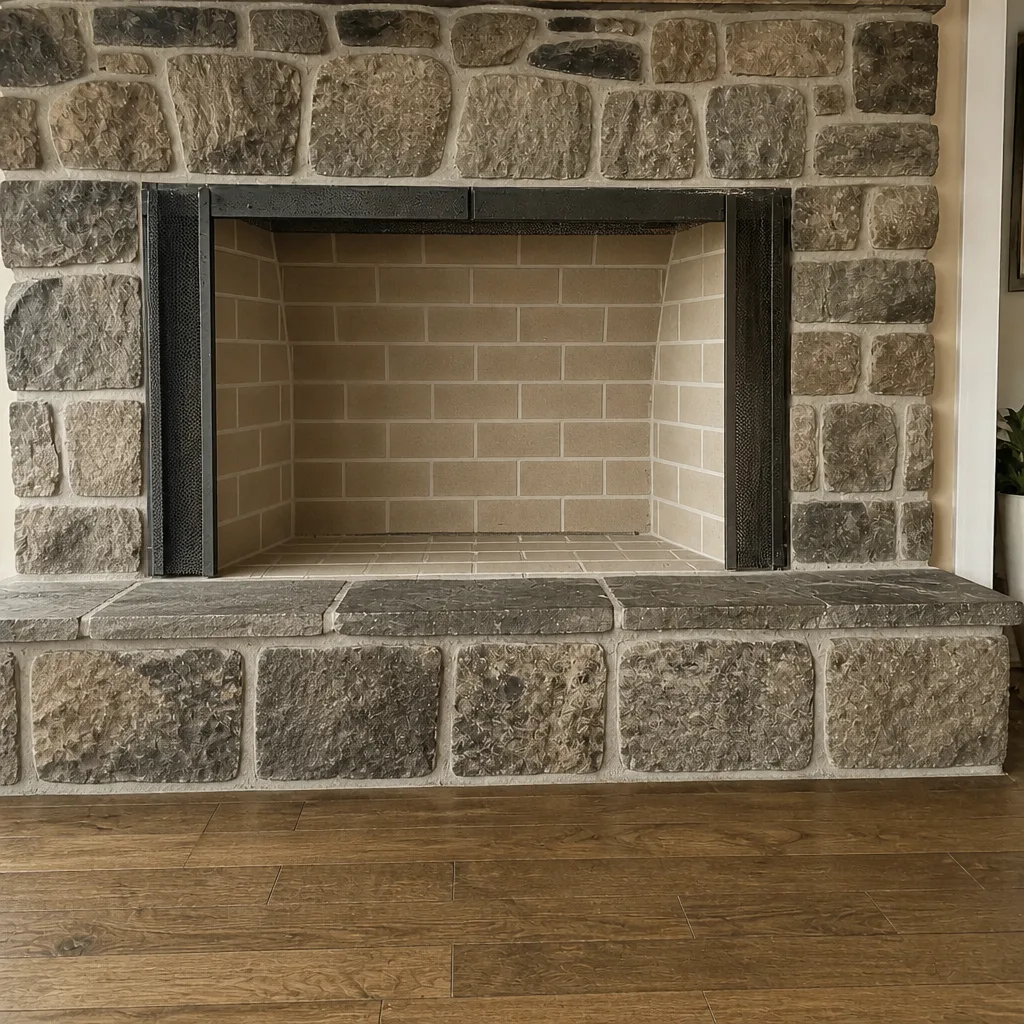
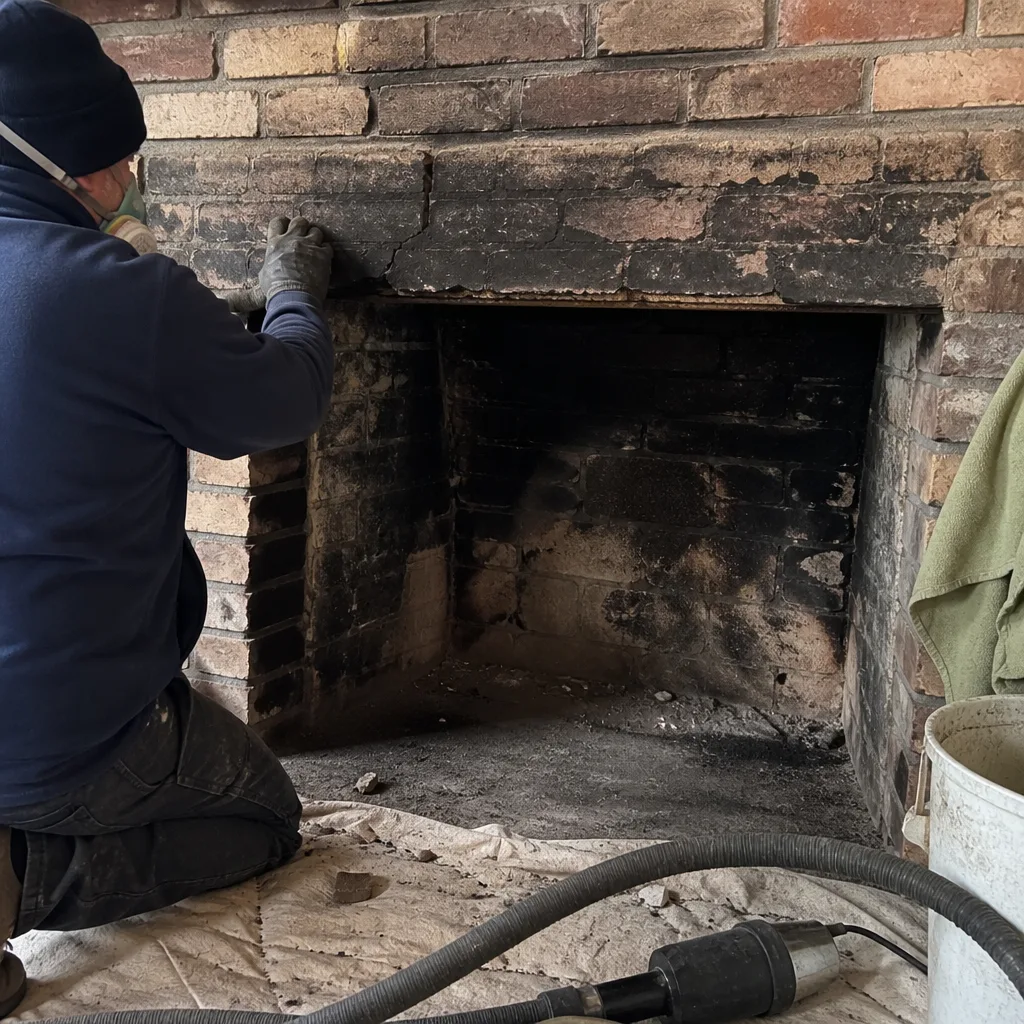
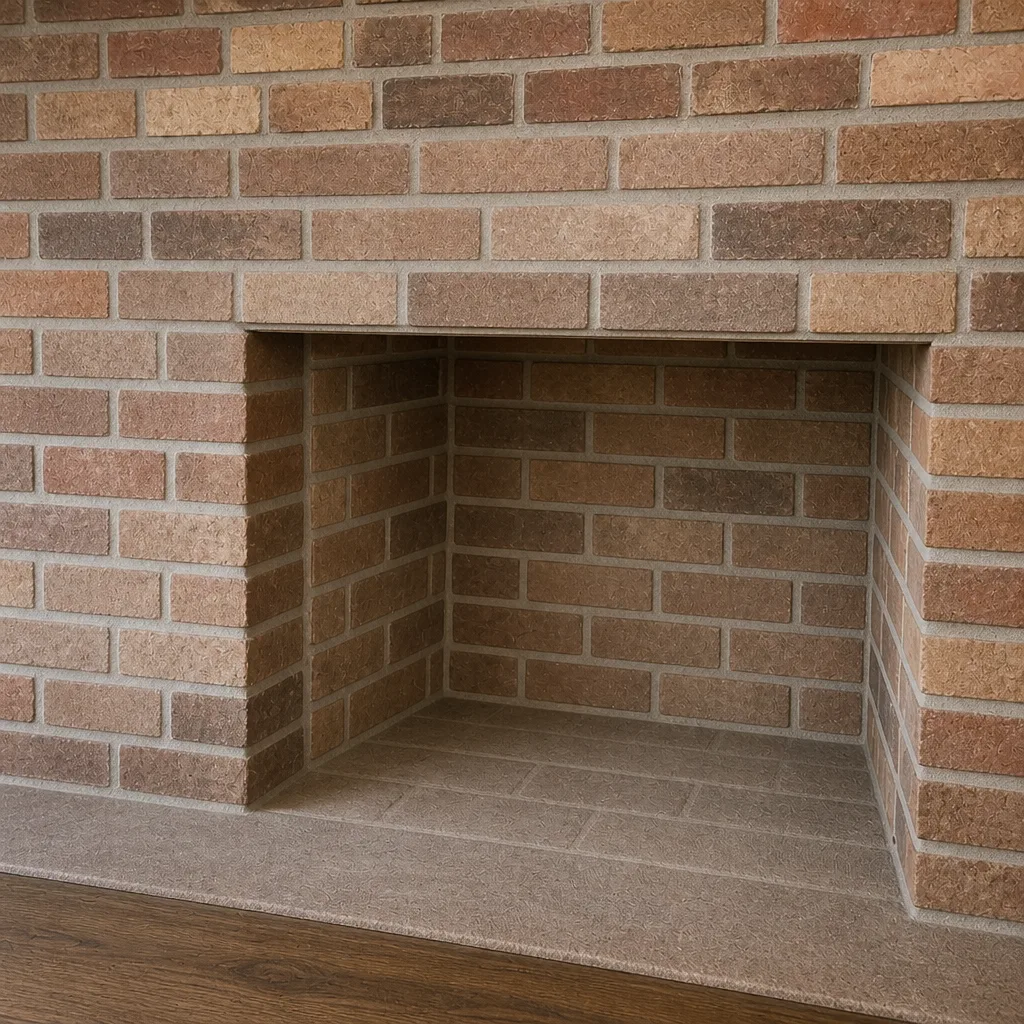
See the difference
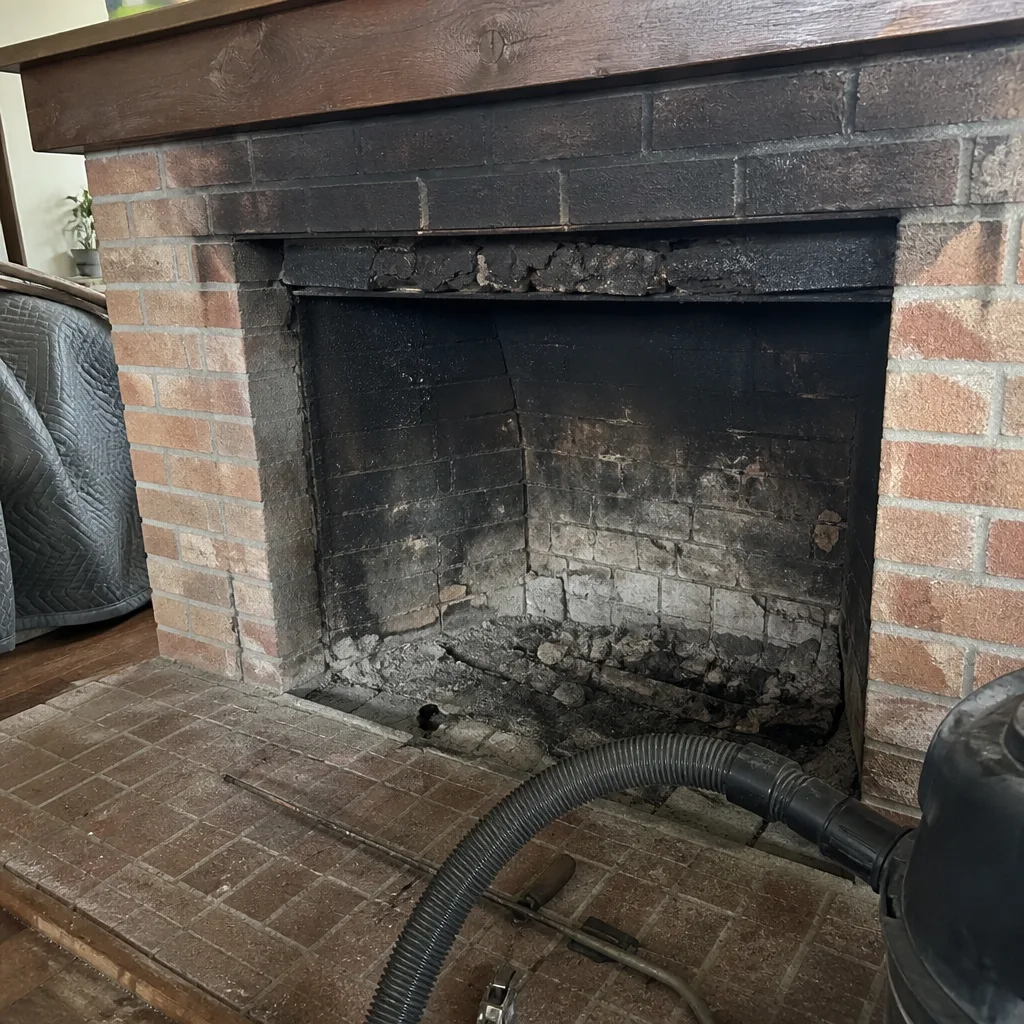 Before
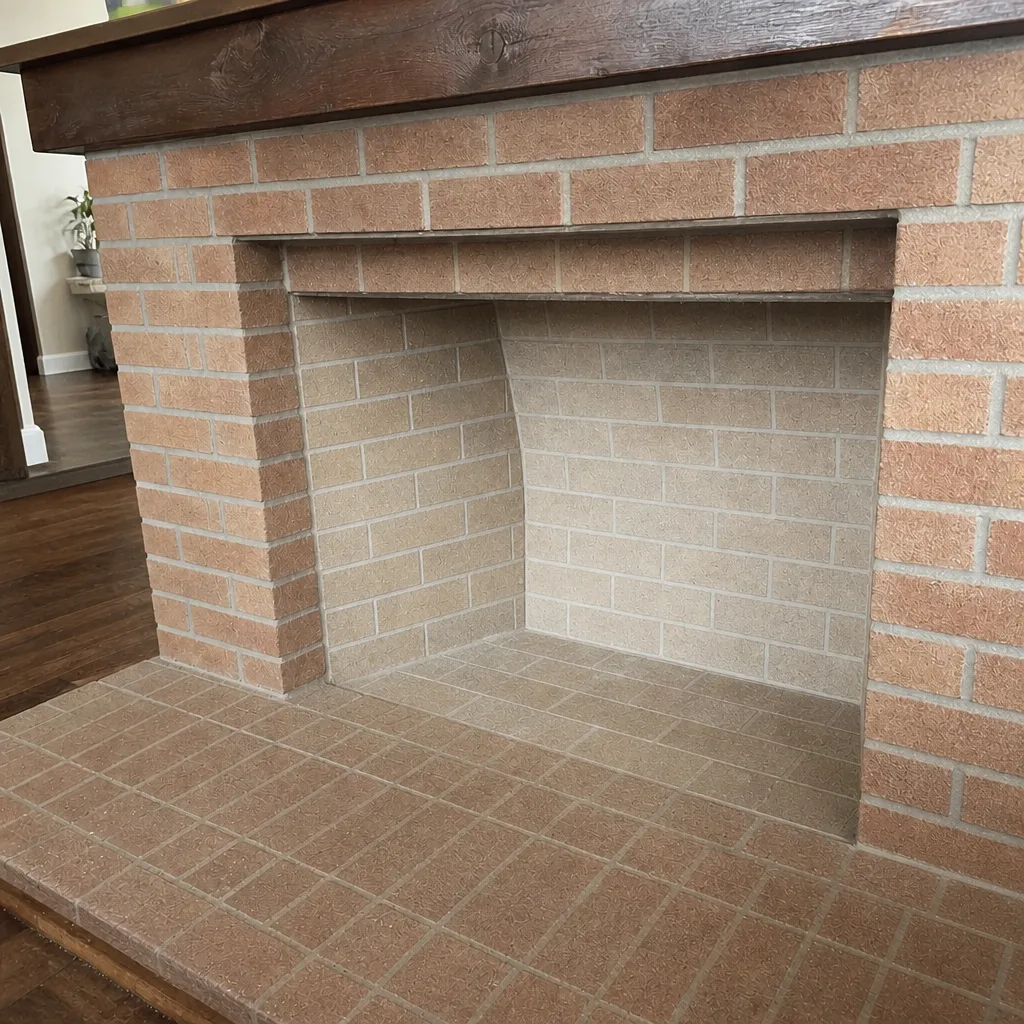 After
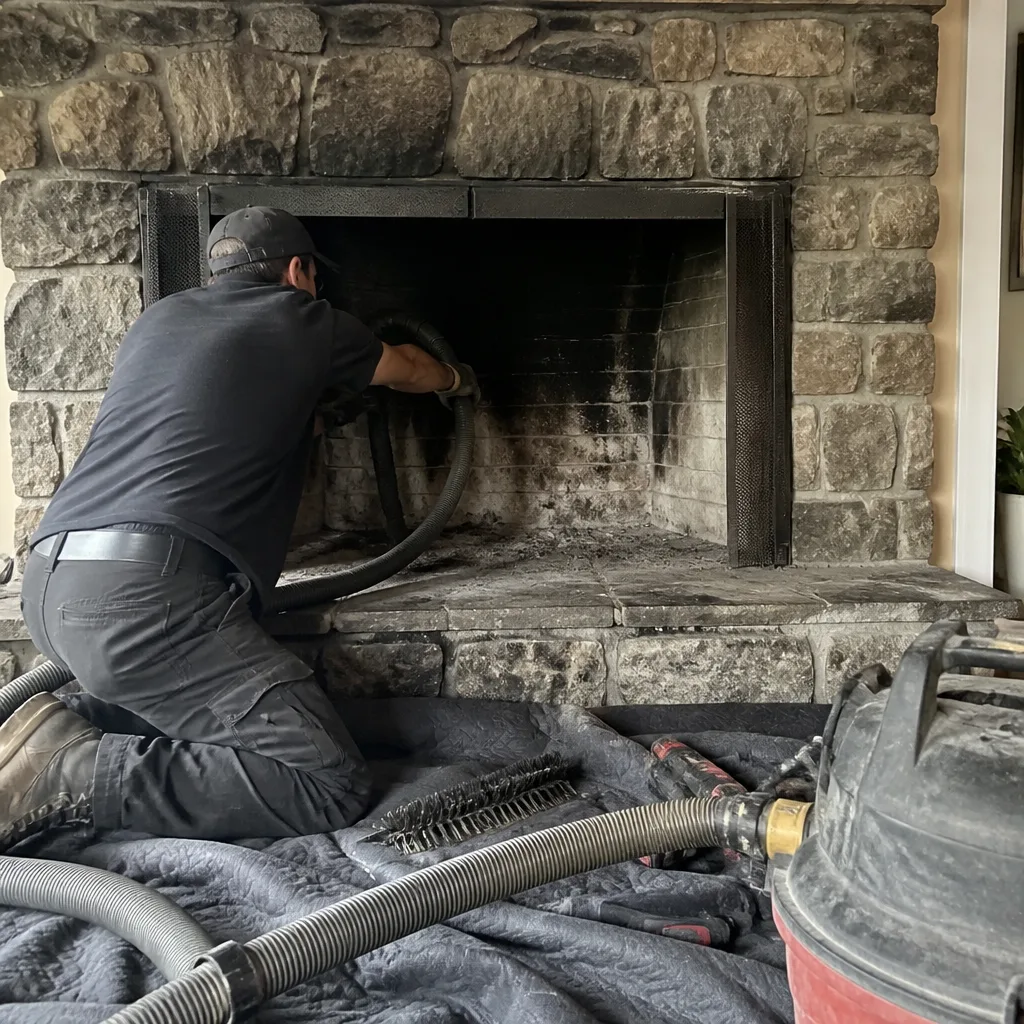 Before
 After
 Before
 After
When to Call a Professional
Call when you can’t verify the problem yourself. That means any smoke back into the room, any smell of combustion gas in living space, any visible crack in the flue or masonry, any rusted cap, any sudden change in draft, or any first fire of the season that behaves differently than the last one. It also means any time you’re unsure, because the whole point of a camera inspection is to see what you can’t. Chimney Sweep Green Lake offers free estimates in Green Lake. Call (877) 820-8284 to set up a visit. We answer 24/7. Fast dispatch from 7am to 7pm, Sunday through Friday. If you’re not yet ready to commit to a sweep, a camera inspection will tell you what’s actually going on and what, if anything, needs doing.
Frequently Asked Questions
Once a year for most wood-burning fireplaces, at the start of the season. Homes with heavy use, unseasoned wood, or a rear-exterior chimney in our wet climate benefit from a mid-season check too. The annual inspection should happen even in years the flue seems clean, because the camera catches what the eye can’t. Call (877) 820-8284 for an exact quote; estimates are free.
Creosote keeps building until it reaches Stage 3, which is glazed, dense, and easy to ignite. A chimney fire can then start inside the flue and spread into framing. Skipping a cleaning also lets a small flue crack become a full reline. Call (877) 820-8284 to schedule an inspection before the next burn.
No, and this is where most homeowners misread it. Smoke smell with the fireplace closed is usually one of three things: a blocked flue, a coated flue holding odor, or a pressure balance shift pulling flue air into the house. A camera inspection sorts which one it is. Call (877) 820-8284 to book an inspection.
A liner is what keeps heat and combustion gas inside the chimney passage. If the camera shows a cracked or broken flue tile, a liner is the fix, because no amount of cleaning seals a crack. A DuraFlex liner is the professional-grade material we use for that. Nothing gets recommended without camera evidence you can see for yourself. Call (877) 820-8284 for an estimate.
A cap helps, but the crown is what actually sheds water at the top of the chimney. A cap stops rain from entering the flue and keeps wildlife out; a crown stops water from entering the masonry. Both matter, and both are inspected together. Call (877) 820-8284 to schedule a cap and crown inspection.
Yes, some soot at the firebox is normal and doesn’t need a call. What’s not normal is loose firebrick, crumbling mortar, black spider-web staining at the damper, or soot flakes on the hearth after every fire. Those point to a flue or firebox problem. Call (877) 820-8284 to have it checked.
The Bottom Line
The warning signs that matter most are the ones you can notice from the room you’re in. Smoke that backs up mid-burn, a creosote smell that lingers, a draft that sounds different than it used to, dark staining at the damper, a rusted cap, or white bloom on the exterior brick: each one points to a specific problem with a specific fix. Sorting the list into “monitor and schedule” versus “stop using it now” is the single most useful thing a Green Lake homeowner can do. Safety starts inside the flue, and the camera is how you see what’s happening in there. Inspect before the season, not after. For a full-service specialist who covers inspection, sweep, cap and crown, fireplace repair, and structural repair under one company, we’re your chimney’s first and last call.
Call (877) 820-8284 for a free estimate. We answer 24/7. Fast dispatch from 7am to 7pm, Sunday through Friday.
Ready to see what’s going on inside your flue? Chimney Sweep Green Lake handles the full lifecycle, from annual inspection to full flue restoration, using professional-trade materials like DuraFlex and HeatShield.
Written by the team at Chimney Sweep Green Lake.