
Last updated November 25, 2026
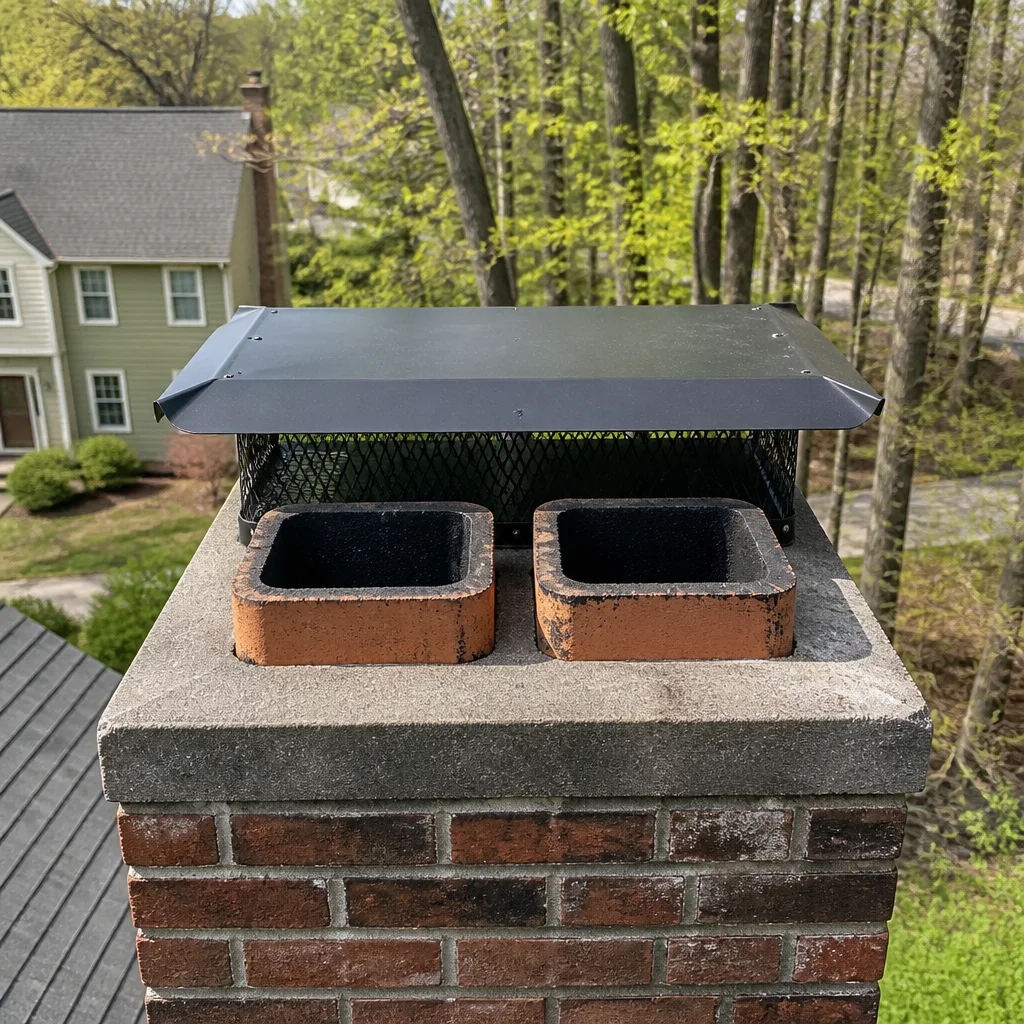 Sweep & inspection
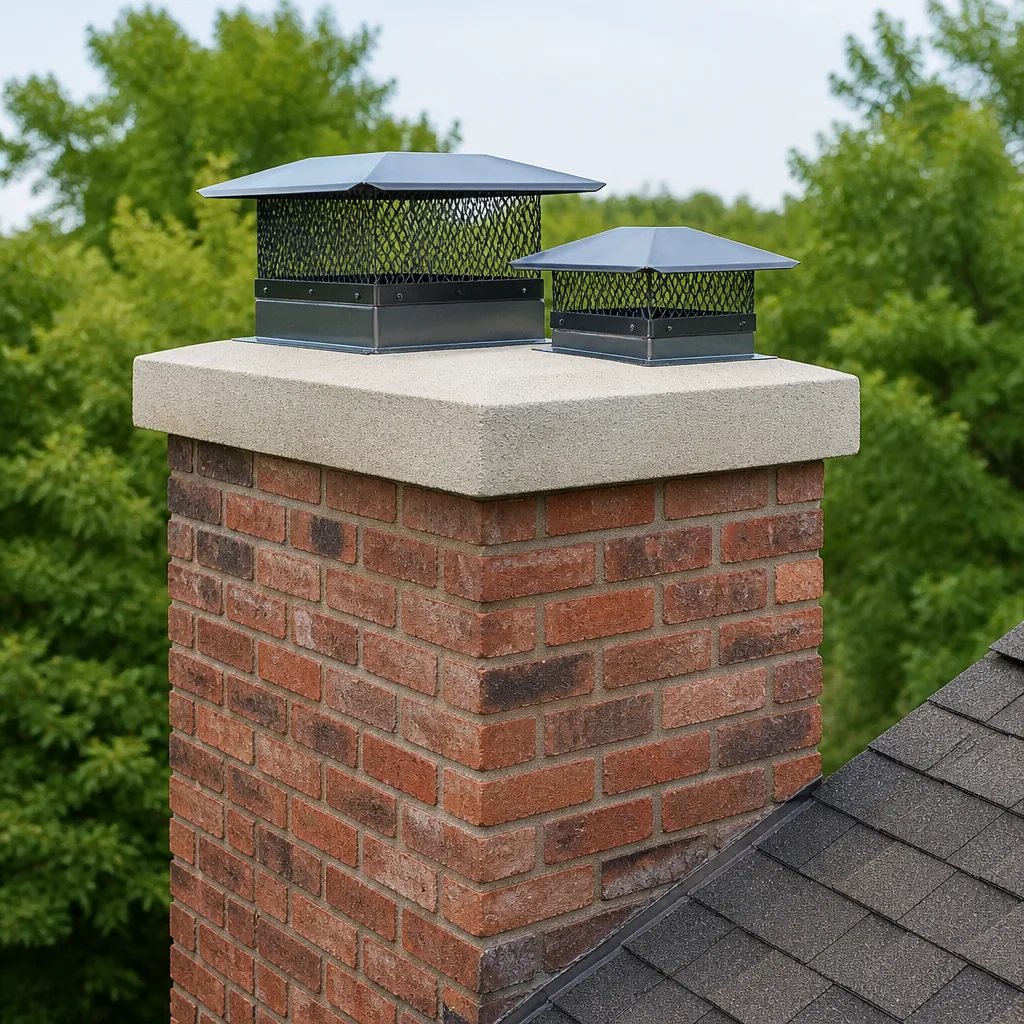 Caps & crowns
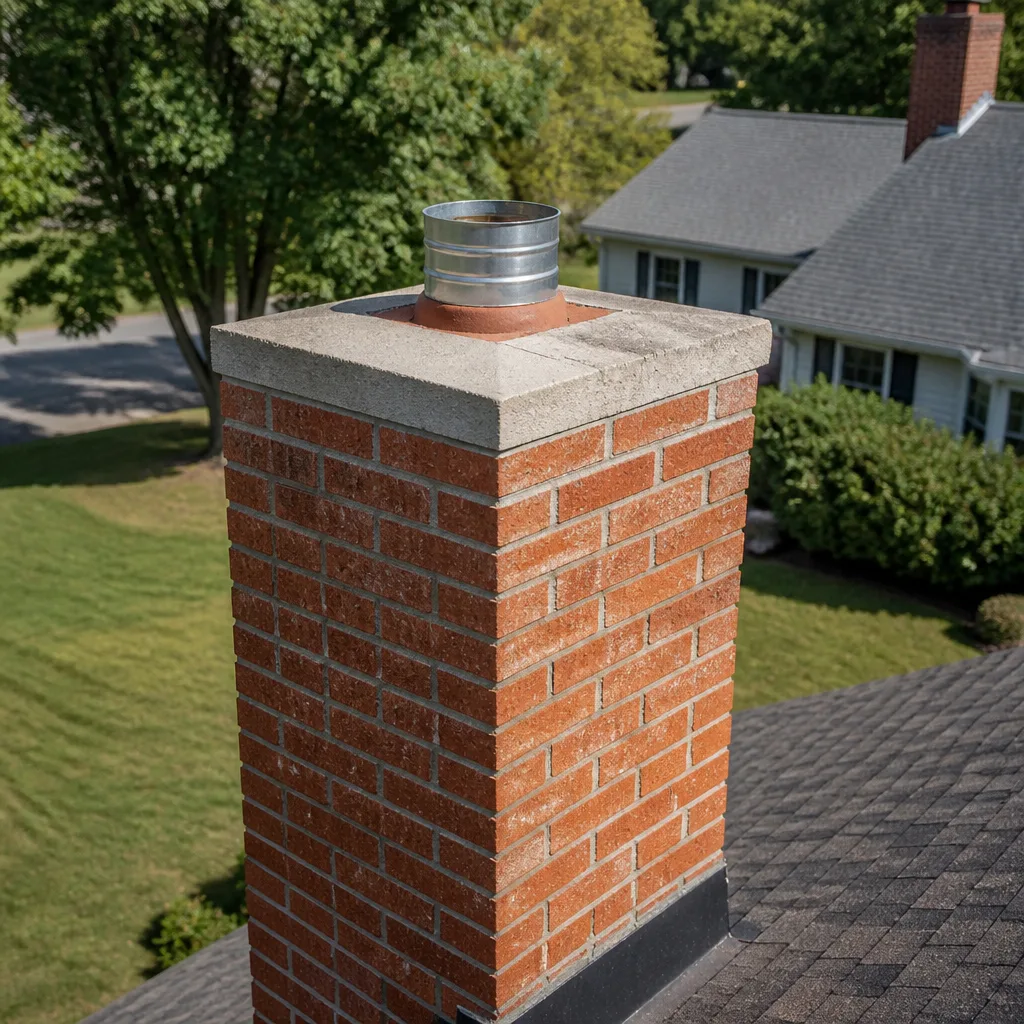 Flue relining
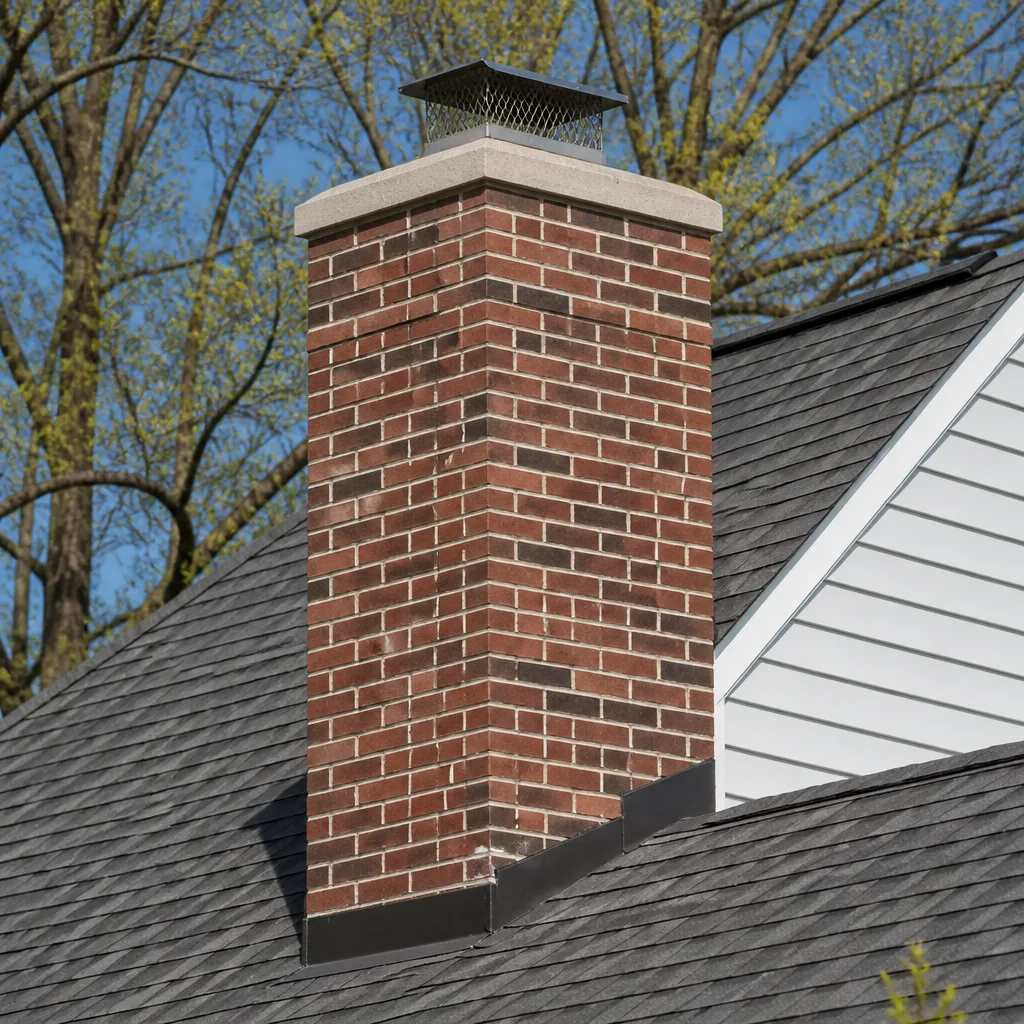 Masonry repair
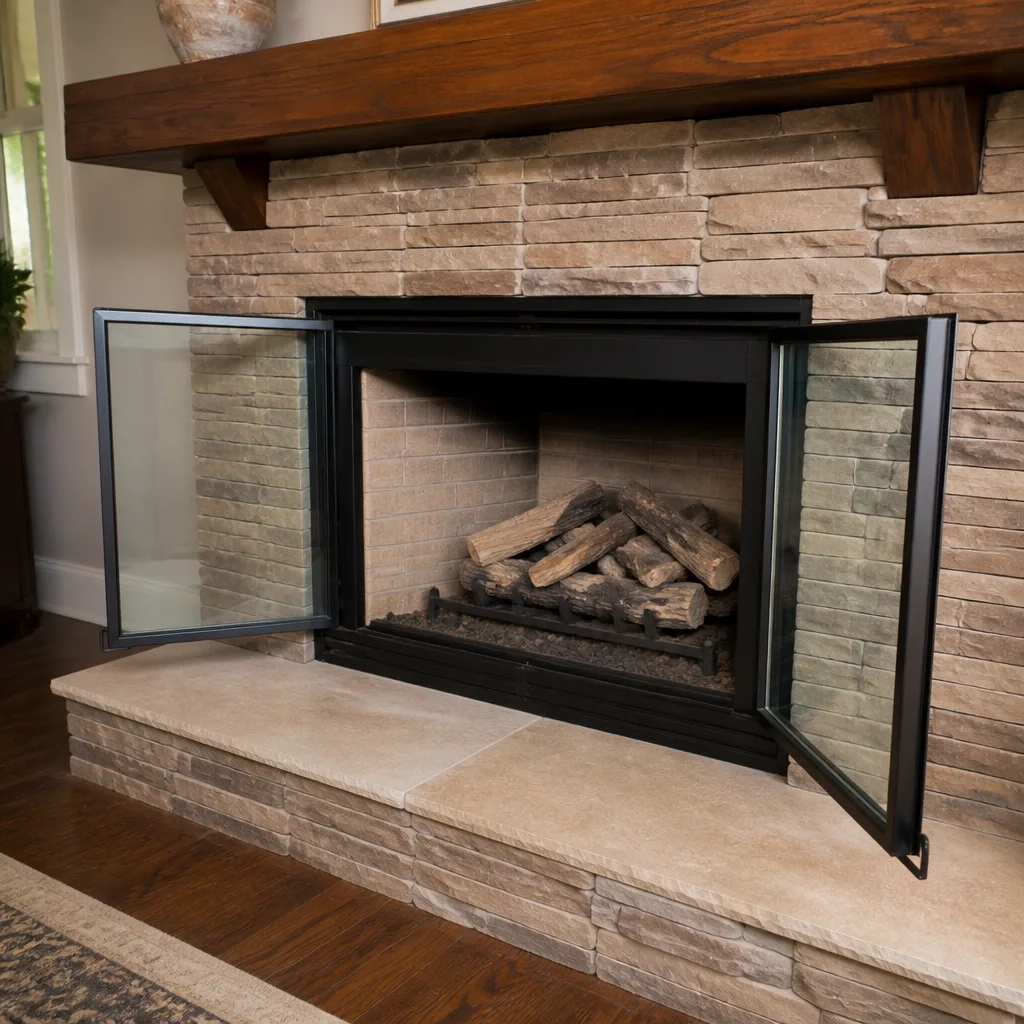 Gas fireplace service
Level 1 sweep and inspection to the NFPA 211 annual standard - flue, crown, cap, and flashing checked and photographed
Chimney sweep logs do not sweep chimneys. They loosen some creosote - which then falls where a brush and vacuum still have to collect it.
Chimney Sweep Maintenance Checklist for Green Lake Homeowners
Sweeping a chimney that burned three cords of dry hardwood over the winter and sweeping one that burned green alder all season are two different jobs. Yet most checklists treat them the same, handing you an annual reminder and nothing else. Creosote doesn’t work on a calendar. It builds from wood moisture, burn habits, and the way your flue drafts on a given week in Green Lake. What you need is a condition-based list: things you can look at, feel, and write down that tell you whether cleaning is overdue, right on time, or genuinely not needed yet. This guide gives you that, from firebox self-inspection to cap and crown checks most homeowners skip, plus a seasonal log you can actually keep.
Quick Answer
Check your firebox, damper, cap, and crown four times a season, log burn hours and wood type, and book a professional sweep when you see a quarter-inch of creosote, glazed deposits, a sticking damper, or a cracked crown. Most Green Lake homes burning dry wood at moderate volume can go a full season before a sweep, but heavy burners and anyone burning unseasoned wood should schedule earlier. A professional sweep with a camera inspection confirms what you found and gives you a written report.
Styles & brands we work with
- Sweep & inspection
- Caps & crowns
- Flue relining
- Masonry repair
- Gas fireplace service
Table of Contents
- Firebox and Smoke Chamber Self-Inspection
- Wood Type and Burn Frequency: When to Clean Earlier
- Cap and Crown Condition Checks
- Damper: What Working and Warping Look Like
- Reading Creosote: Stage 1, 2, and 3
- Your Seasonal Burn Log
- What a Professional Sweep Actually Involves
- Repair Signals: When Cleaning Isn’t Enough
Firebox and Smoke Chamber Self-Inspection
The firebox tells you more about chimney health than the flue does on a visual check. Before you call anyone, spend fifteen minutes with a flashlight and a mirror looking at what’s in front of you. You’re not diagnosing, you’re collecting observations a professional can act on, and in our experience homeowners who arrive with notes get a faster, more useful visit.
Here’s what to check and what each condition means:
- Firebox walls: Look for cracks wider than a hairline, missing mortar joints, or spalling brick faces. Fine hairline cracks are common and usually cosmetic. Wider cracks or crumbling mortar mean the firebox is telling you it needs repointing or resurfacing, which is exactly what HeatShield systems are for.
- Smoke shelf and smoke chamber: Shine the light up past the damper. Rounded, smooth masonry is fine. Jagged or crumbling surfaces with heavy soot buildup are signs the chamber needs parging or smoothing.
- Fireback: A cast iron or masonry fireback that’s cracked or warped has served its life. A warped fireback changes airflow and can reflect heat onto the firebox walls.
- Ash pit and grate: Excess ash depth hides cracks. Clear it and look at the floor of the firebox.
- Staining and efflorescence: White powdery deposits on exterior masonry near the firebox (not inside it) mean moisture is moving through. That’s an exterior signal, not a firebox one, but note it.
Write down what you see. Photograph it. What you should not do is reach up into the flue or try to remove creosote you can see. Creosote in its glazed form is flammable and the flue interior is where a fall or a burn is most likely. Safety starts inside the flue, and inside the flue is where a trained technician with the right tools belongs. In Green Lake, where winters run long and burn seasons stretch from October into April, one self-inspection in early fall and one in midwinter is a reasonable rhythm.
Wood Type and Burn Frequency: When to Clean Earlier
Wood moisture is the single biggest factor in how fast creosote accumulates. Dry hardwood under twenty percent moisture burns hot and leaves less residue. Green or wet wood burns cool, smolders, and coats the flue. Same number of cords, dramatically different chimney condition. That’s why the checklist should trigger on wood quality, not just volume.
Use these thresholds to decide whether to move your sweep earlier than the standard annual visit:
- Burning dry hardwood (under 20% moisture) at moderate volume: A standard annual sweep is usually right.
- Burning wet or unseasoned wood at any volume: Move the sweep up. Book before you finish the season, not after.
- Burning softwood, including the green alder that grows dense in the Cascade foothills around Green Lake: Softwood burns fast and leaves more residue. Add a check mid-winter.
- Burning more than four cords a season: Treat the chimney as a high-use appliance and inspect at the start, middle, and end of the burn season.
- Burning manufactured logs or scrap lumber with staples and glue: Skip the scrap. Manufactured logs leave more ash and can leave more residue than the label suggests.
- Low, smoldering fires (damping down overnight or on mild days): Long, cool burns are the fastest route to glazed creosote. Check more often.
In Green Lake, our burn season runs long enough that “annual” isn’t always one visit. Plan the first check when you light up in fall and the second around the point you’ve burned roughly half your woodpile. A moisture meter costs less than a cord of wood and settles the question in seconds: split a piece, press the pins into the freshly exposed face, and aim for under 20%. If you’re at 25 – 30%, your wood needs another season of drying, and your chimney is going to need a sweep sooner than you’d planned. A simple chimney sweep at the right time and before the flue tells you it’s overdue.
Cap and Crown Condition Checks
The cap and crown are where most homeowners look least and where the most expensive damage starts. Every year of water getting into an uncapped flue or through a cracked crown weakens masonry from the inside out. Small repairs in October are structural repairs by April. Here’s the check, and it should take you less than ten minutes from the ground with binoculars, or from a safe spot on the roof only if you’re comfortable up there.
- Cap present and secure: A chimney cap should sit square over the flue with no gaps and no tilt. Missing, tilted, or dented caps let water and animals in freely.
- Cap mesh intact: Rusted or torn screening invites birds and squirrels. A nest in the flue is a blockage and a fire risk.
- Crown surface: Look for cracks, crumbling edges, or a crown that’s pulling away from the flue where it meets. Hairline cracks are normal; visible gaps are not.
- Crown overhang: The crown should overhang the chimney slightly so water sheds past the masonry. A flush crown lets water run down the face.
- Chimney face: Staining, efflorescence, or spalling brick faces on Green Lake chimneys are strong signals that water is getting in somewhere above.
- Flue tiles: From the top down with a mirror or a camera, look for cracked or separated flue tiles. Hairline cracks in a tile are serious; separated tiles mean the liner is compromised.
Our chimney cap & crown work covers exactly this: replacing failed caps, pouring new crowns, and stopping the water intrusion before it reaches the firebox. We work with professional-trade brands like Copperfield and Olympia Chimney on these installations so the cap fits the flue, not approximately. If your cap is fine but a tile is cracked, that’s a liner conversation (DuraFlex is the professional-trade line we install), not a cleaning one. Either way, look at the top of the chimney every season. It’s the cheapest inspection you’ll ever do.
Damper: What Working and Warping Look Like
A damper that opens smoothly and seals when closed is doing two jobs: keeping heated room air from escaping up the flue and keeping cold outdoor air from coming down. In Green Lake, where winter nights get genuinely cold, a leaking damper is a slow, steady heat loss you’ll feel in the house before you’ll see in the chimney.
Check the damper by feel, with no fire burning:
- Movement: It should open and close smoothly through its full range. A damper that sticks, scrapes, or won’t quite open is asking for service.
- Seal: Close it and look for visible light or gaps around the plate. Feel for cold air dropping when the fire is out.
- Condition: Rust and pitting on the plate mean moisture is reaching it. Warping (a visibly bowed or wavy plate) means heat has stressed it and it will no longer seal flat.
- Handle and linkage: A damper that works but has a handle that won’t turn freely needs the linkage serviced, not replaced.
A stuck-open damper costs you heat all winter. A stuck-closed damper is a bigger problem: you can’t draft a fire, and smoke backs into the room. If yours is corroding or warped, that’s a fireplace repair job, and it’s worth doing before the season starts. Damper replacement is one of those repairs that seems small until you’ve spent a winter burning a fire that won’t draw. If your chimney has a top-sealing damper, it lives inside the cap assembly and should be checked at the same time as the cap itself.
Reading Creosote: Stage 1, 2, and 3
Not all creosote looks the same, and the difference matters more than the amount. You can see stage 1 and stage 2 deposits from the firebox with a flashlight and a mirror. Stage 3 you can’t see from below, which is one reason camera inspection is part of what we do. Here’s how to read what you can see:
- Stage 1 (soot): Loose, black, dusty flakes. Easy to brush, low fire risk on its own. A quarter-inch layer is your cue to book a sweep. You don’t need a camera above the firebox to reach this conclusion.
- Stage 2 (hardened, flaky): Dark and crusty, sometimes with a slightly shiny surface. Brushing removes most of it, but the layer has bonded to the flue wall. Glazed patches at this stage warrant a professional sweep, not a delay.
- Stage 3 (glazed): Hard, shiny, tar-like, and the reason chimney fires happen. It doesn’t come off with a brush and it needs chemical treatment or professional tools. If you ever see a shiny, glassy deposit inside your firebox or just above the damper, book the sweep.
There’s no safe DIY method for stage 3. Even a professional sweep needs to use the right chemistry and follow manufacturer instructions; a homeowner with a wire brush and a ladder risks both the flue and themselves. The good news is that stage 3 creosote is preventable with dry wood, warm burns, and a sweep at the right time. The bad news is that once it’s there it’s not going anywhere on its own. If you’re not sure what stage you’re looking at, describe it when you call. We hear “shiny and hard” and “dusty and black” and know exactly what job is coming.
Your Seasonal Burn Log
Year over year, a log is what turns annual maintenance from guesswork into a pattern. Five columns of notes beats a memory. There’s no app required: a clipboard by the woodpile works, so does a note on your phone. Format it like this:
- Date and burn hours: Note when you lit up and when you stopped, or estimate hours per week.
- Wood type and moisture: “Douglas fir, 18%” or “mixed hardwood, 25%” tells you more than “dry wood.”
- Weather notes: Wind direction and cold snaps. Draft problems often show up on the coldest nights, and knowing that helps your technician.
- Observed conditions: What you saw in the firebox (creosote stage, cracks, staining), the damper (free, sticking, rattling), the cap and crown (fine, cracked, missing).
- Action taken: Swept, inspected, repaired, or nothing this season.
After two seasons you’ll have a real baseline. If the log shows you burned four cords of 25% moisture wood in a year you should have swept twice, you’ll know it in writing. If your Green Lake chimney has shown a hairline crown crack for three seasons without changing, you’ll know it’s stable and not urgent. That’s the kind of evidence that keeps you from paying for work you don’t need and from skipping work you do. Bring the log to your appointment, or send a photo of it before the visit. It saves time and it’s the best kind of record: your own.
What a Professional Sweep Actually Involves
A professional sweep is more than a brush on a rod. It’s a check of the whole system: firebox, damper, flue, cap, and crown. When you book with Chimney Sweep Green Lake, you get a camera inspection and a photo report with the sweep, so you see exactly what we saw before any recommendation is made. That last part is the point. You shouldn’t have to take anyone’s word for it that you need liner or masonry work.
Here’s the typical sequence, start to finish:
- Drop cloths and containment: The work area is protected and the firebox is sealed with a vacuum running throughout.
- Firebox and damper service: Ash, soot, and debris are removed first so the crew can see the masonry.
- Flue sweep: The correct brush for your flue type is run from the roof or the firebox; a masonry flue and a metal liner take different brushes.
- Camera inspection: A camera runs the full length of the flue, and the technician records what it finds, from the firebox floor to the cap.
- Photo report: Findings, severity, and a recommendation, with photos attached. If nothing needs doing, we say so.
- Cap and crown review: The last check is the weatherproofing at the top, which is where most repair budgets get spent.
Our technicians have up to 9 years of experience, and we work with the professional-trade brands a chimney technician should have on hand: DuraFlex for relining, HeatShield for flue resurfacing, Gelco, Olympia Chimney, Famco, and Copperfield. That breadth matters when the inspection turns up a repair. We handle what other sweeps refer out, so you’re not coordinating a sweep and a repair contractor and hoping they agree. And if the camera shows your flue is fine and the sweep only needed to be a sweep, that’s the report you’ll get.
Repair Signals: When Cleaning Isn’t Enough
Cleaning keeps a sound chimney sound. It doesn’t fix a failing one. These signals mean the job has moved past maintenance into repair, and each has a specific remedy:
- Cracked or spalling flue tiles: Structural relining with DuraFlex, or resurfacing with HeatShield if the tile is intact but deteriorated. Both are flue restoration, not cleaning.
- Glazed creosote covering the flue walls: Chemical treatment followed by resurfacing. This is where HeatShield application capability matters, and it’s a service most basic sweep companies simply don’t offer.
- Cracked or separated firebox masonry: Repointing or resurfacing the firebox, often paired with a new fireback.
- Cracked crown or missing cap: New crown pour or cap installation with professional-trade components. Do this before the wet season in Green Lake, not after.
- Warped or non-sealing damper: Damper replacement or a top-sealing damper installation.
- Water staining inside the firebox or on the smoke chamber: Water is getting in from above. Fix the crown and the cap, then check the flue.
Two things are true at once here. Some repairs genuinely can’t wait: an open flue with no cap is a water-and-animal problem that worsens every week. And some repairs can wait safely if the evidence says the flue is stable, and we’ll tell you that plainly. Nothing is recommended without camera evidence you can see for yourself. That’s the standard we hold to on every Green Lake job, because the biggest hesitation homeowners have is being told they need thousands of dollars of liner work they have no way to verify. You shouldn’t have to guess, and you shouldn’t have to trust a stranger’s summary. See the photos, ask the questions, then decide.
Common Mistakes to Avoid
- Treating the annual sweep as a calendar rule. A light-use household burning dry wood and a heavy-use household burning green alder need different schedules. The date you last called someone is not the date your chimney needs attention.
- Skipping the cap and crown check because you can’t see them from the living room. This is the single most expensive omission on the list. Water intrusion from a failed crown causes more masonry damage in Green Lake than fire does.
- Burning unseasoned wood to stretch the woodpile. Wet wood smolders, leaves more creosote, and sends a lot of heat up the flue instead of into the room. Buy ahead and let the pile sit.
- Ignoring slow-drafting fires. A fire that’s hard to light and slow to draw is telling you something is wrong: a blockage, a stuck damper, or a flue that’s narrowing from deposits. Note it and get it looked at.
- Using a wire brush on a metal liner. This scratches the liner and shortens its life. Brush the flue with the brush that matches the flue.
- Calling the sweep only after a problem appears. A sweep is cheaper than a repair. The whole point of the checklist is to find the problems before they’re repairs.
- Not keeping a log. Without notes, every season starts from zero. With notes, you’ll catch the pattern before it causes a problem, and you’ll know when your Green Lake chimney is fine versus when it’s asking for attention.
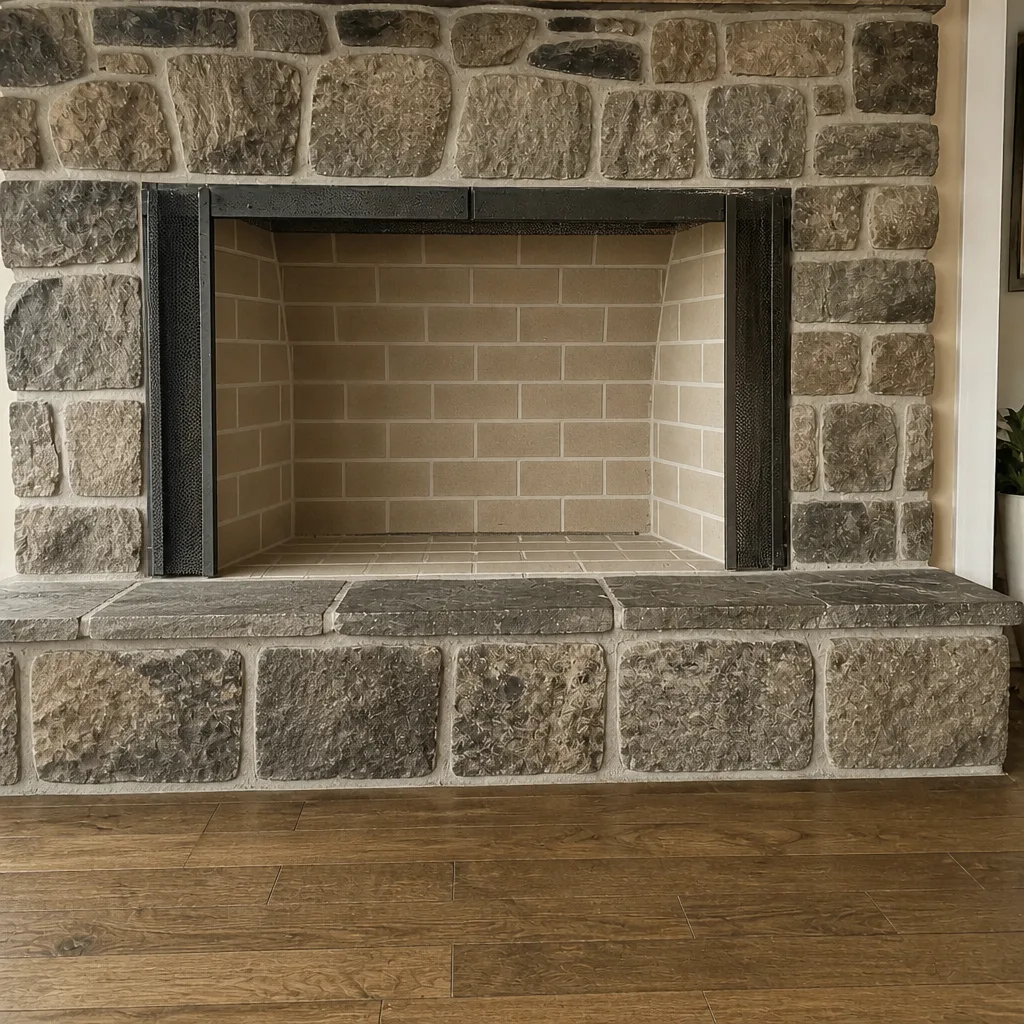
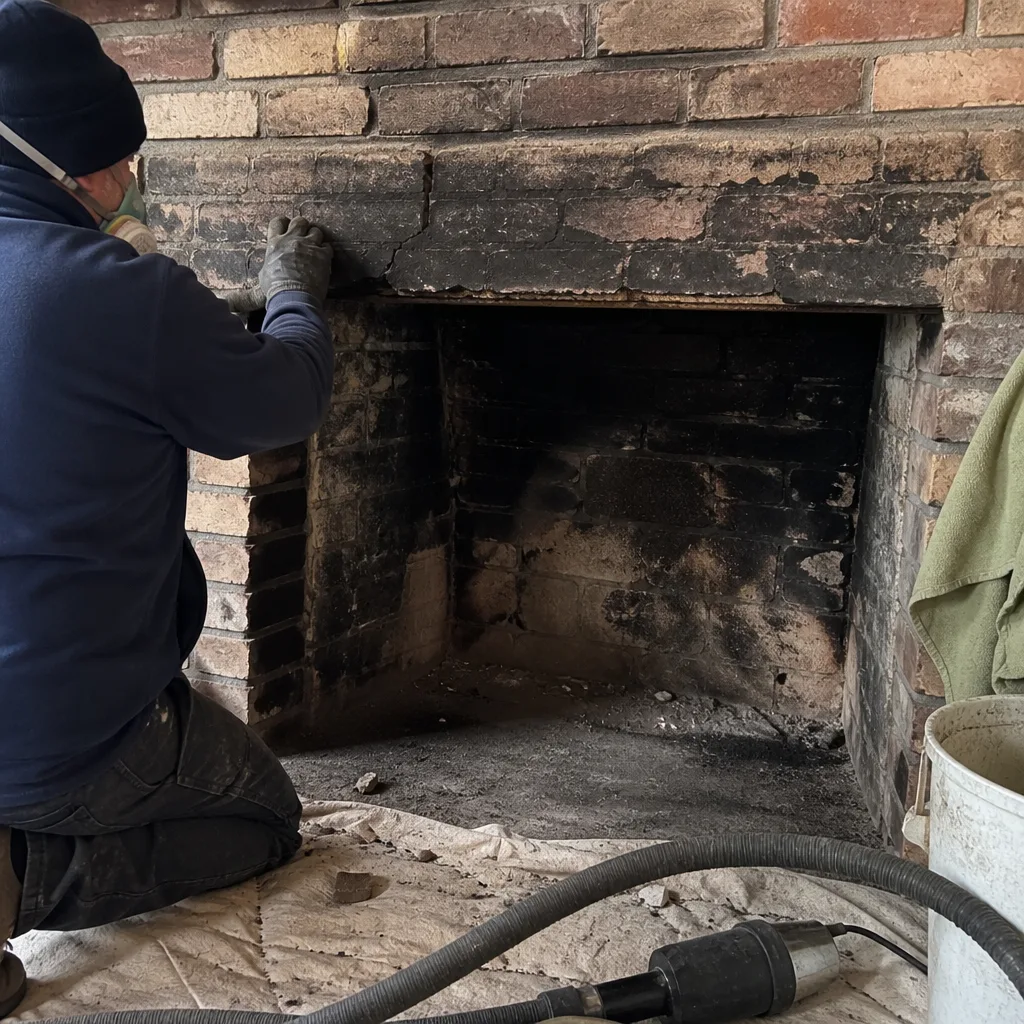
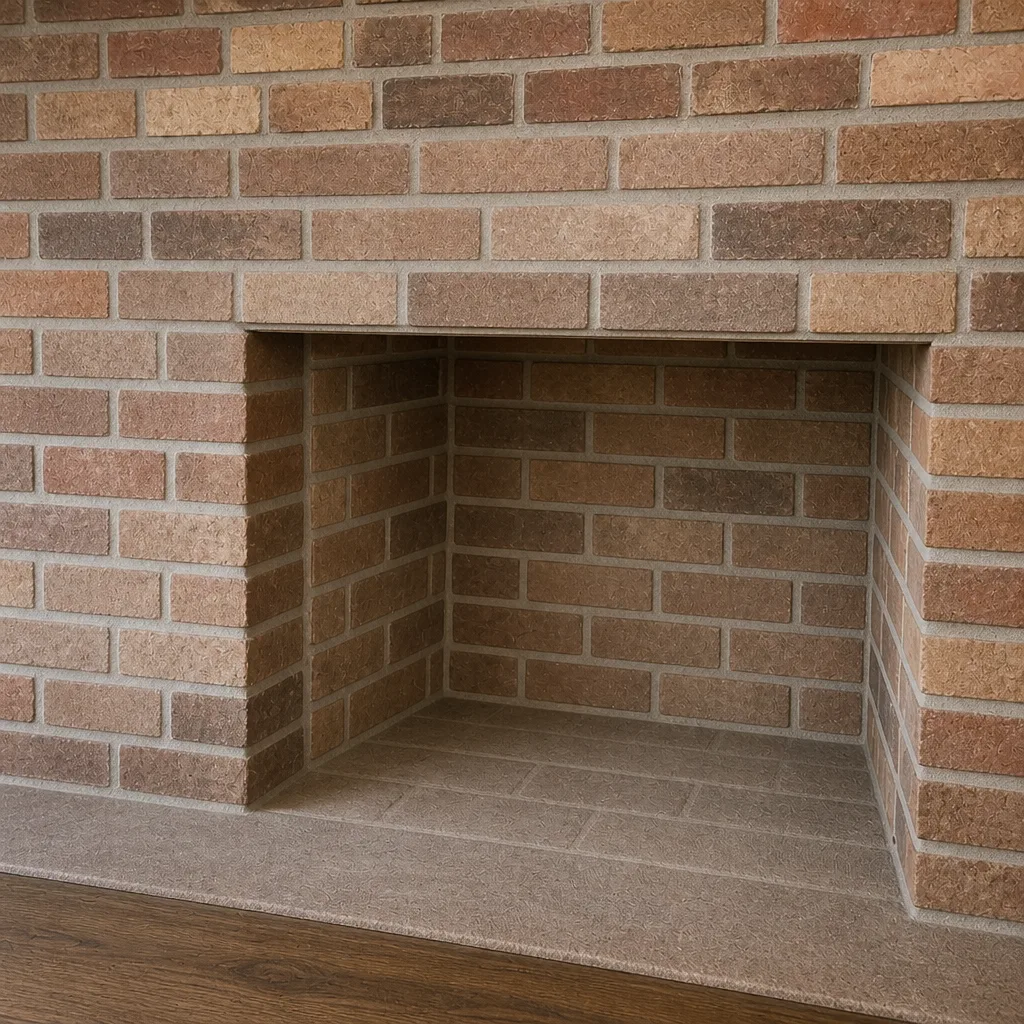
See the difference
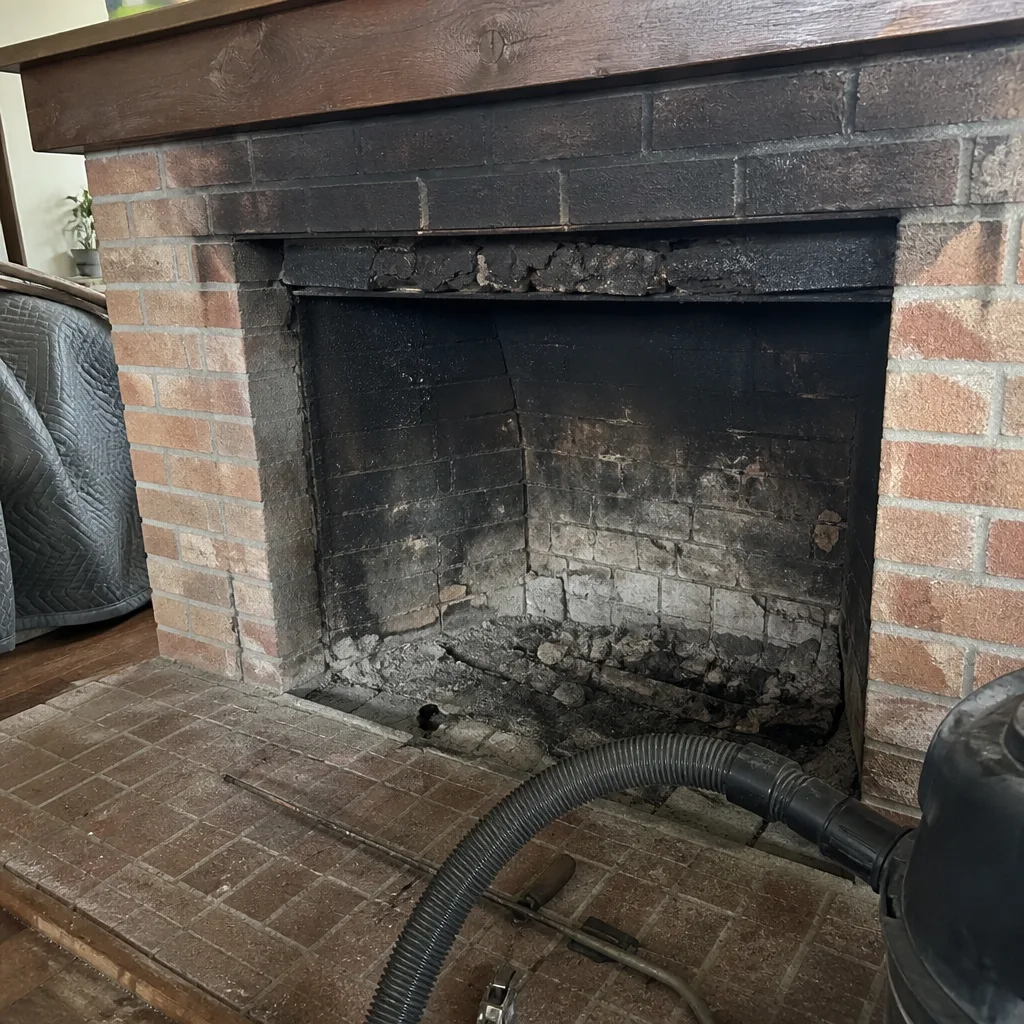 Before
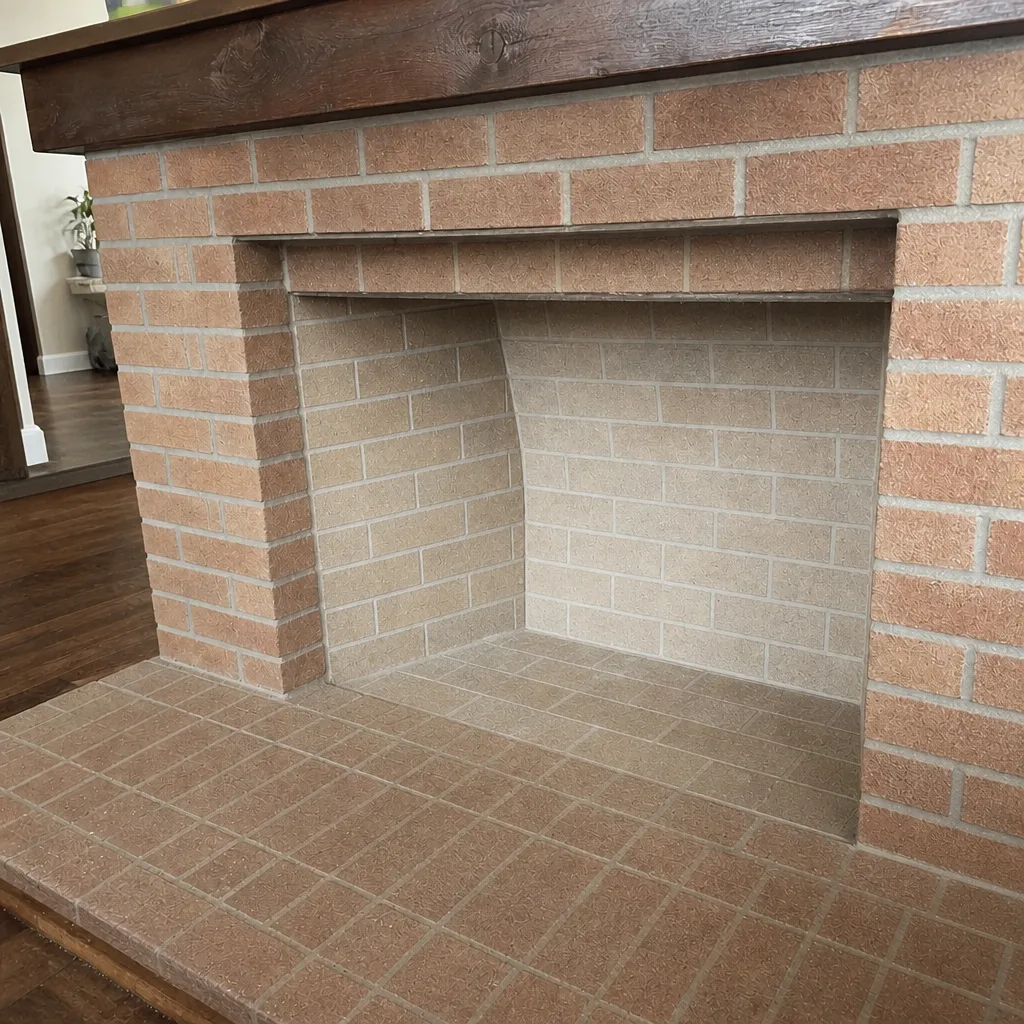 After
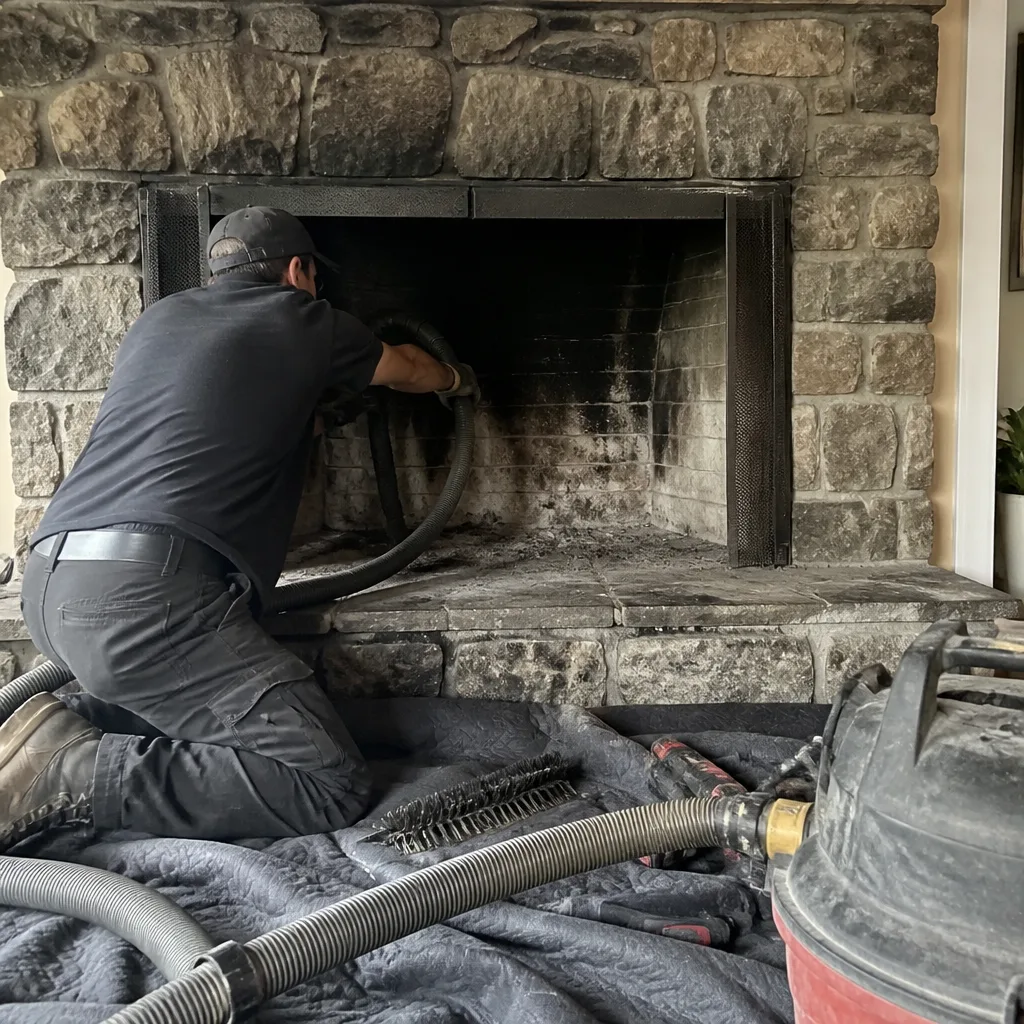 Before
 After
 Before
 After
When to Call a Professional
Call a professional if any of these show up: a quarter-inch or more of creosote visible in the firebox, shiny or glazed deposits anywhere in the flue, a damper that sticks, warps, or won’t seal, a missing or failed cap, a cracked crown, water staining inside the firebox, cracked flue tiles, or draft problems on cold nights. Call sooner if you can smell creosote in the house when the fire is out. And call if you’ve moved into a Green Lake home and don’t know when the chimney was last swept. Chimney Sweep Green Lake offers free estimates in Green Lake. Call (877) 820-8284. We answer 24/7. Fast dispatch from 7am to 7pm, Sunday through Friday.
Frequently Asked Questions
A standard chimney sweep typically runs $150 to $350 depending on flue length and condition, and a sweep with camera inspection runs $250 to $500. The written estimate sets the final price. Call (877) 820-8284 for an exact quote; estimates are free.
You need one only if the camera shows damaged, cracked, or deteriorated flue tiles or glazed creosote that can’t be brushed out. Many inspections confirm the existing liner is fine, and we’ll say so. Nothing is recommended without photo evidence you can see. Call (877) 820-8284 if you want a second opinion.
Most Green Lake homes burning dry wood at moderate volume can go a full season on one sweep. Heavy burners, softwood burners, and anyone burning wood above 20% moisture should sweep earlier, sometimes mid-season. Track burn hours and wood type to decide what’s right for your chimney. Call (877) 820-8284 to book the sweep.
Creosote builds, the crown and cap fail, and water gets into the masonry. The risk categories are real: chimney fire from creosote buildup, and carbon monoxide from a blocked or compromised flue. Most homeowners catch it in time. Some catch it after a repair bill they could have avoided. Call (877) 820-8284 for a free estimate before the burn season starts.
You can and should self-inspect the firebox, damper, cap, and crown; those are the visible parts. You should not reach into the flue or remove creosote yourself. The flue interior is where a fall or a burn is most likely, and stage 3 creosote is a job for professional tools. Call (877) 820-8284 to book a professional sweep.
A sweep removes creosote, soot, and ash. An inspection evaluates the flue, firebox, damper, cap, and crown, and typically includes a camera run and a photo report. Chimney Sweep Green Lake includes camera inspection and a photo report with the sweep, so you see what we see. Call (877) 820-8284 to book.
The Bottom Line
A chimney maintenance checklist earns its keep when it’s written for your chimney, not for a calendar. Check the firebox, damper, cap, and crown four times a season. Match your sweep schedule to wood moisture and burn volume. Read what you can see and stop before the flue. Keep a log, because a year of notes tells you more than any annual reminder. And when the checklist points to something the flue can’t answer, book a sweep with camera inspection and a photo report, so every recommendation stands on evidence you can see. Your chimney’s first and last call, from annual sweep to full flue restoration, is us. Call (877) 820-8284. We answer 24/7. Fast dispatch from 7am to 7pm, Sunday through Friday.
Written by the team at Chimney Sweep Green Lake.